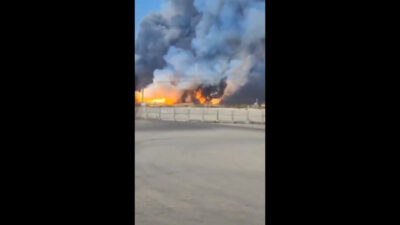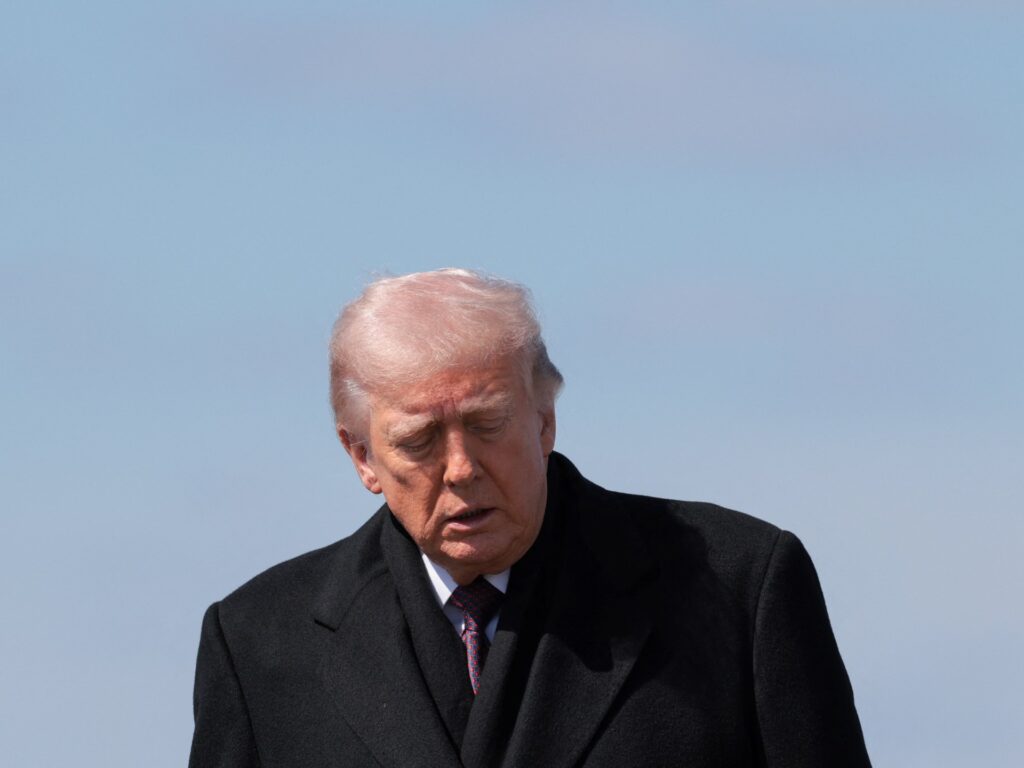
In a recent development heightening tensions in the Middle East, former U.S. President Donald Trump has attempted to distance the United States from Israeli military actions targeting a key Iranian gasfield. The strikes, which focus on crucial energy infrastructure in Iran, have sparked significant international concern and have raised pressing questions about the extent of U.S. knowledge and involvement in the Israeli operations.
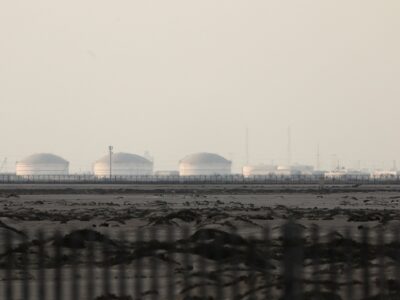
The targeted Iranian gasfield is a vital asset for Iran’s energy sector, and its disruption could have profound consequences on regional stability and global energy markets. Israeli forces carried out precision strikes aimed at weakening Iran’s energy capabilities, a move that critics say escalates the conflict and threatens broader geopolitical stability.
The controversy lies not only in the act itself but also in the apparent ambiguity surrounding the U.S. administration’s awareness and potential approval of the strikes. While the Trump administration publicly distanced itself from the attacks, intelligence reports and diplomatic channels suggest that there might have been prior knowledge or tacit understanding between the U.S. and Israeli governments.
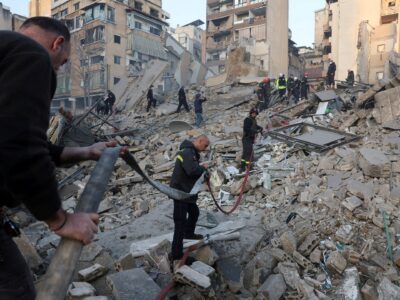
Energy infrastructure, particularly in conflict zones like the Middle East, is increasingly becoming a focal point for military confrontations. The choice to strike such facilities reflects a strategic intent to impair an adversary’s economic and operational capabilities without engaging in direct large-scale conflict. However, the aftermath often includes collateral damage and increased tensions that ripple beyond immediate combat zones.
Critics argue that these strikes risk igniting broader conflicts, as Iran may perceive them as acts of aggression warranting retaliation. Furthermore, they point to the dangers posed to global energy supplies, which could see price volatility and supply disruptions as a consequence of targeting crucial production sites.
From a geopolitical perspective, the U.S.’s position is delicate. On one hand, the U.S. is an ally of Israel and shares mutual interests in countering Iranian influence in the region. On the other hand, direct involvement or perceived endorsement of such strikes could compromise diplomatic efforts aimed at stabilizing the Middle East and negotiating with Iran on nuclear and security issues.
Trump’s public distancing is seen by some analysts as a strategic move to navigate this complex landscape—supporting Israel’s security concerns while avoiding direct entanglement in potential escalation.
The international community has called for restraint and dialogue to resolve tensions rather than military interventions. The United Nations and various countries have urged restraint from all parties to prevent further destabilization of the region.
As the situation develops, monitoring the impact of these strikes on Iranian energy infrastructure and the broader geopolitical implications will be critical. The balance between security interests and diplomatic engagement remains fragile, and the world watches closely as this episode unfolds.