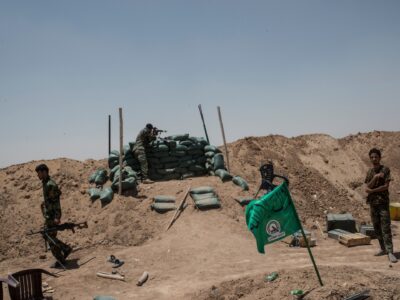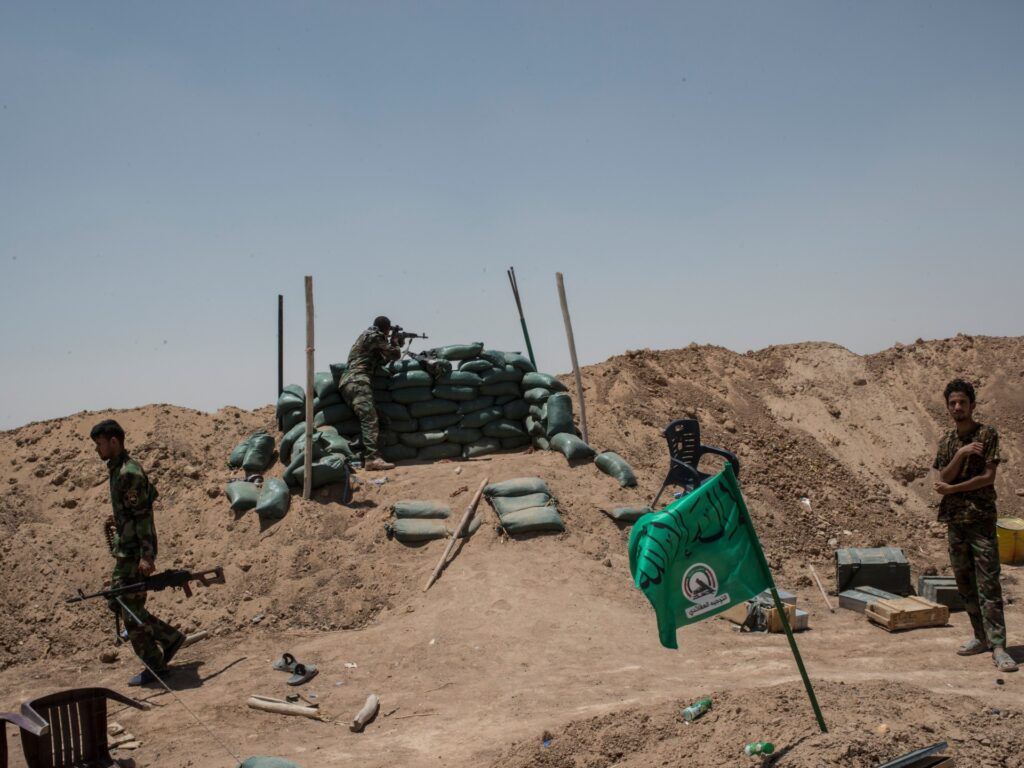
In a recent escalation of violence in northern Iraq, two fighters belonging to the Popular Mobilization Forces (PMF) were killed in airstrikes, according to statements released by the group. The incident highlights the continuing volatility in the region, where various armed factions and international interests intersect, fueling ongoing conflicts.
The airstrikes took place amidst a complex backdrop of tension and conflict involving multiple actors. The PMF fighters were targeted in a northern Iraqi location that has frequently been a hotspot for military engagements and proxy confrontations. Details about the exact nature and origin of the strikes remain unclear, but the impact on the local security situation has been significant.
These developments come just hours after Kataib Hezbollah, a powerful pro-Iran armed group within the PMF coalition, announced a conditional suspension of attacks on the US embassy in Baghdad. This move was seen as a strategic decision aimed at reducing tensions with the United States, although it was emphasized that the suspension was conditional, leaving room for future changes based on evolving circumstances.
Kataib Hezbollah’s announcement was a rare conciliatory gesture in an otherwise fraught environment marked by frequent clashes, political instability, and foreign interference. The group remains influential within the broader PMF structure and maintains a reputation for militant resistance against foreign presence in Iraq, particularly US forces.
The killing of the two PMF fighters in the strikes has inevitably rekindled fears of further escalation. The PMF, a state-backed umbrella organization comprised of mainly Shia militias, plays a crucial role in Iraq’s security architecture. Yet it also remains a source of friction due to its ties to Iran and the diverse agendas of its constituent groups.
Northern Iraq continues to be a volatile region with multiple armed groups operating, sometimes with support from regional powers such as Iran and external forces. Airstrikes and counterattacks occur regularly, contributing to a cycle of violence that undermines efforts at establishing lasting peace and stability.
The strikes killing the PMF fighters underscore the precarious position of armed groups caught between local, regional, and international rivalries. Each incident not only results in tragic loss of life but also has broader implications for the political and security landscape of Iraq.
Observers warn that unless a durable political dialogue is established, and external actors reduce their involvement, the cycle of strikes and retaliations will likely continue. The situation remains fluid, with the potential for rapid shifts based on local and international dynamics.
In summary, the killing of two PMF fighters in northern Iraq via airstrikes amid a larger context of conflict reflects the enduring instability in the region. This event, coupled with the recent announcement by Kataib Hezbollah regarding the temporary suspension of hostility towards the US embassy, paints a complex picture of shifting alliances, tactical pauses, and ongoing confrontations in one of the Middle East’s most conflict-prone areas.