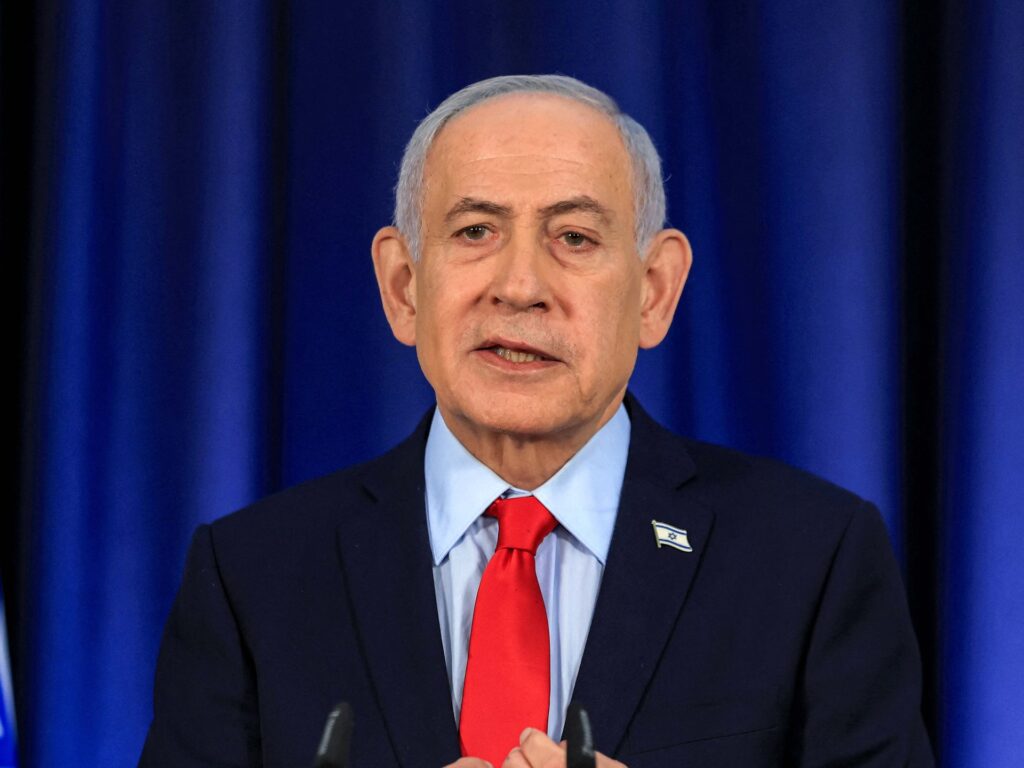
Israeli Prime Minister Benjamin Netanyahu made a significant assertion regarding Iran’s nuclear program, stating that Iran no longer possesses the capacity to enrich uranium. This statement reflects a critical point of contention in the ongoing tensions surrounding Iran’s nuclear ambitions. Uranium enrichment is a key process in developing nuclear fuel, but it is also a pivotal step in creating nuclear weapons. Netanyahu’s claim suggests that efforts, presumably by Israel or its allies, have successfully disrupted Iran’s ability to advance its nuclear technology.
The statement comes amid heightened geopolitical tensions in the Middle East, where Iran’s nuclear program has long been a source of international concern. Various sanctions, diplomatic negotiations, and covert operations have been part of the global strategy to curb Iran’s nuclear activities. Netanyahu’s assertion might signal a tactical or strategic breakthrough for Israel, which has consistently viewed a nuclear-capable Iran as a direct threat to its security.
Israel’s intelligence and military apparatus have been deeply involved in monitoring and countering Iran’s nuclear development, which has involved a mix of diplomatic pressure, cyber operations, and possibly covert actions to delay or dismantle nuclear infrastructure. Netanyahu’s declaration could underscore the success of these multifaceted efforts.
However, such claims are often met with skepticism and require verification through international oversight agencies such as the International Atomic Energy Agency (IAEA). The global community continues to watch Iran’s nuclear activities closely, with diplomatic frameworks like the Joint Comprehensive Plan of Action (JCPOA) attempting to regulate and monitor enrichment levels to ensure peaceful use.
If Netanyahu’s claim is accurate, it could have significant implications for regional security and diplomatic relations. It might alter the balance of power in the Middle East, prompt reactions from Iran and its allies, and influence ongoing nuclear negotiations. For Israel, it would be seen as a major security achievement, reducing an existential threat and possibly enabling a recalibration of its defense strategies.
In summary, Netanyahu’s public declaration that Iran lacks uranium enrichment capabilities is a bold remark that highlights the ongoing struggle over nuclear proliferation in the Middle East. It emphasizes the intense interplay of intelligence, diplomacy, and military strategy in addressing one of the world’s most sensitive security concerns.