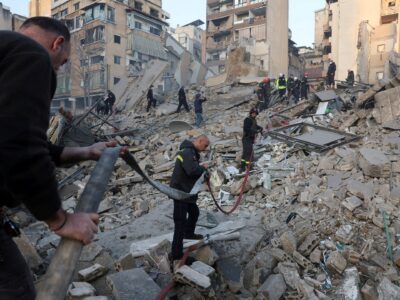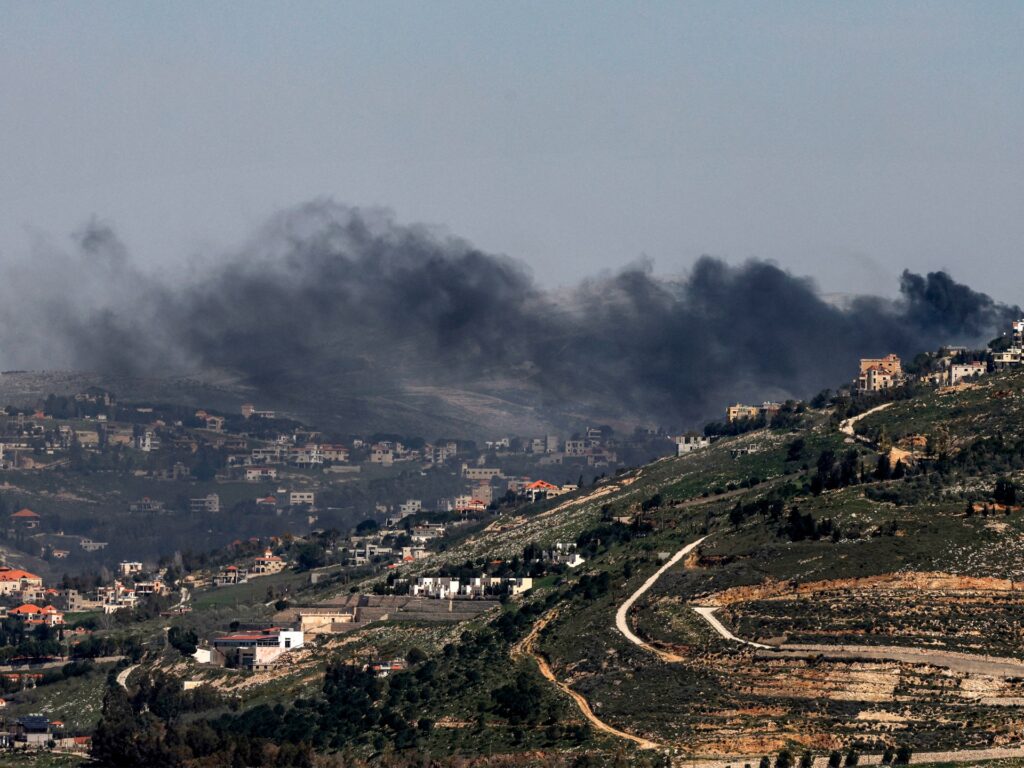
In recent days, Israeli air raids have launched devastating attacks on southern Lebanon, resulting in significant loss of life and widespread destruction. Official reports confirm that dozens of individuals have been killed in this intense two-day aerial bombardment, marking one of the deadliest escalations in the region in recent times.
The United Nations has sounded alarms over the humanitarian fallout from these aggressive military operations. According to UN agencies, over one million people have been displaced throughout Lebanon, creating a massive internal refugee crisis. This displacement has been primarily spurred by fears for civilian safety amid ongoing airstrikes and ground hostilities.
One of the most harrowing aspects of this crisis is the impact on children. UN data reveals that children constitute roughly one-third of those displaced, underscoring the severe psychological and physical toll these military actions have inflicted on Lebanon’s youngest and most vulnerable populations.
The southern regions targeted in the raids have historically been areas of conflict and tension, but the recent scale and intensity of the air attacks have exacerbated longstanding issues, including infrastructure damage, disruptions to essential services, and increased civilian casualties.
Local hospitals and medical facilities are reportedly overwhelmed by the influx of wounded individuals. The destruction of key infrastructure further hampers emergency responses and complicates humanitarian aid efforts, intensifying the suffering of civilians caught in the crossfire.
International responses have varied, with widespread calls for de-escalation and renewed diplomatic efforts to restore peace. Humanitarian organizations are urging immediate ceasefire agreements to facilitate safe access to medical care, food, and shelter for displaced populations.
Amidst the turmoil, many Lebanese citizens are struggling to cope with the loss of homes, livelihoods, and loved ones. Displacement camps and makeshift shelters have sprung up, though they are often ill-equipped to handle the volume and needs of those seeking refuge.
The situation remains highly volatile, with fears that continued air strikes could lead to further civilian casualties and deeper regional destabilization. Global stakeholders are closely monitoring the developments, recognizing the urgent need for humanitarian relief and conflict resolution.
In conclusion, the recent Israeli air raids on southern Lebanon have inflicted widespread devastation, resulting in numerous deaths and displacing over a million people, including a significant number of children. The persistent violence underscores the fragility of peace in the region and highlights the dire humanitarian consequences of continued conflict. International concerted efforts remain crucial to mitigate the crisis and support the affected populations in Lebanon.