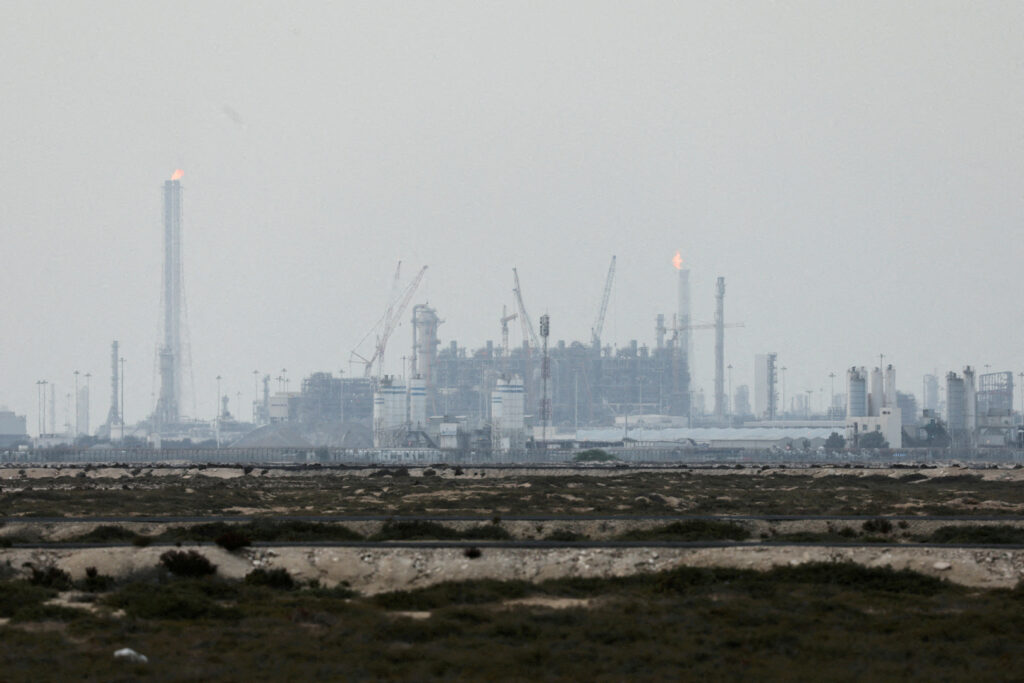
FILE PHOTO: QatarEnergy's liquefied natural gas (LNG) production facilities, amid the U.S.-Israeli conflict with Iran, in Ras Laffan Industrial City, Qatar March 2, 2026. REUTERS/Stringer/File Photo
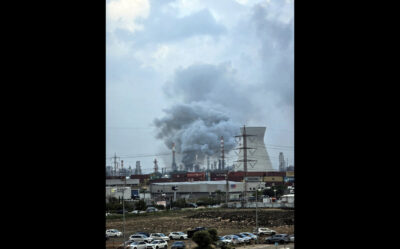
In a significant development in the Middle East energy sector, Iran has launched a strike on Qatar’s Ras Laffan gas facility, one of the largest liquefied natural gas (LNG) export hubs in the world. This attack is expected to reduce Qatar’s LNG exports by approximately 17%, a substantial cut given the country’s status as a leading global supplier.
The Ras Laffan facility is critical to Qatar’s economy, constituting a major portion of its LNG export capability. The disruption caused by this strike will inevitably lead to supply shortages on the global market, affecting countries dependent on Qatar’s LNG shipments.
Energy analysts predict that recovery from this incident could take anywhere from three to five years. The extended timeframe is due to the extensive damage to the infrastructure and the complexities involved in repairing and reinstating full operational capacity.
Qatar’s ability to maintain its role as a key LNG supplier will be challenged as the nation undertakes rebuilding efforts. This strike also brings geopolitical tensions to the forefront, highlighting the fragile nature of energy supply chains susceptible to regional conflicts.
The international community closely monitors the situation, as energy prices and supply stability are expected to be affected in the short to medium term. Countries reliant on LNG might need to explore alternative suppliers or increase investments in gas storage to mitigate potential shortages.
This attack emphasizes the broader vulnerability of energy infrastructure in politically volatile regions. It underscores the need for diversified energy sources and resilient supply networks to safeguard global energy security.
In conclusion, Iran’s strike on Qatar’s Ras Laffan facility marks a pivotal moment with long-term implications for the LNG market, regional politics, and global energy stability, projecting a supply reduction that could span up to five years.