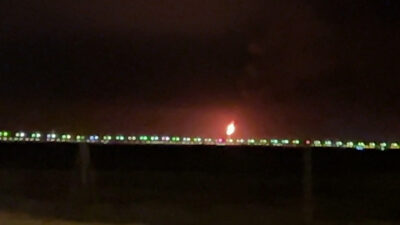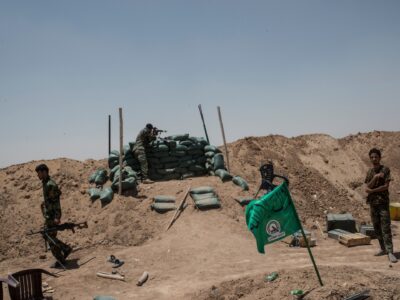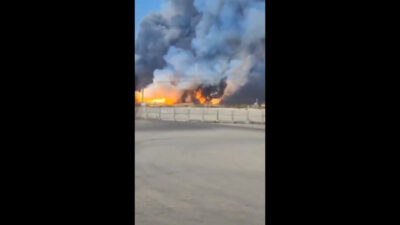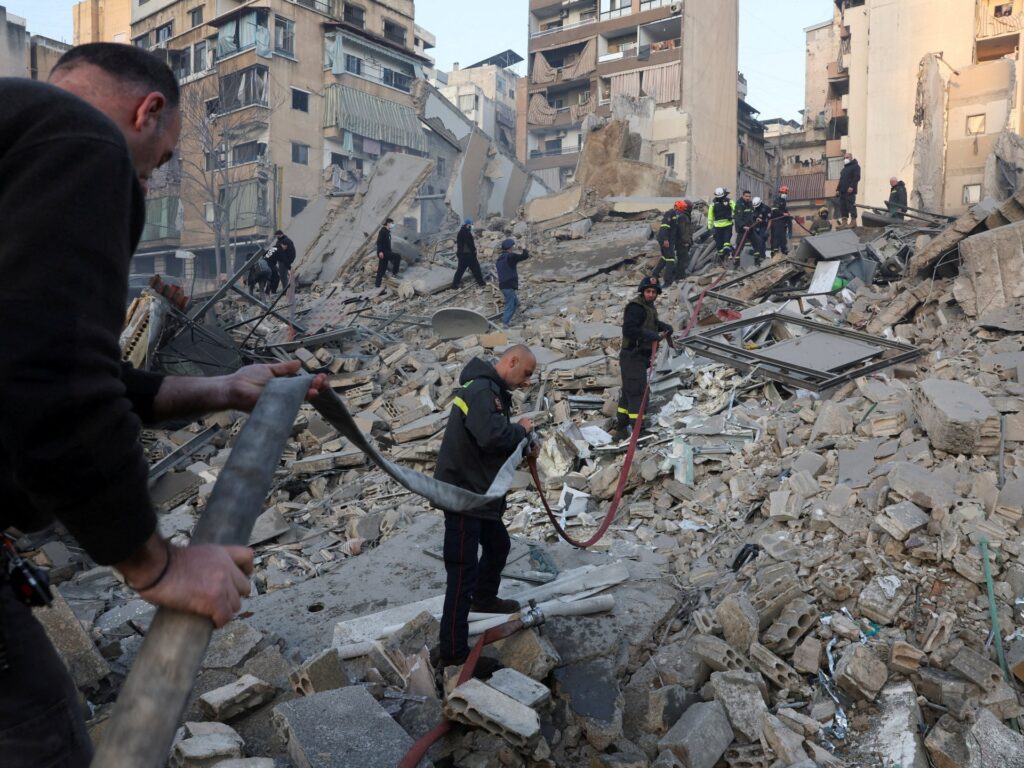
Tensions in the Gulf have escalated as multiple energy infrastructure sites across several Gulf states were targeted in a series of missile and drone attacks. This spike in hostilities comes in the wake of a recent Israeli military strike on a prominent gas field. Washington and Riyadh have issued stern warnings to Iran amid fears that these actions could further destabilize the region.
The coordinated attacks on critical energy sites in the Gulf underscore the volatile nature of the geopolitical climate. Gulf countries, rich in energy resources, are vital to the global oil and gas supply chain, making any disruption in their energy infrastructure a matter of international concern. Analysts suggest that Iran could be behind these attacks, retaliating against Israeli strikes and signaling its unwillingness to remain passive in ongoing conflicts.
The United States and Saudi Arabia, both key players in Gulf security and energy markets, have condemned these attacks. They have urged Iran to cease its provocative actions, emphasizing the importance of stability in the region for both security and global energy markets. Washington’s warning is also a message to all parties involved, highlighting the risk of a broader conflict if tensions continue to escalate.
Reports from affected Gulf states detail multiple missile and drone strikes, indicating a high level of coordination and operational capability by the attackers. Authorities are working to assess the full extent of damage and any potential impact on energy production and export capabilities. Early assessments indicate disruptions but no catastrophic damage that could cause long-term production halts.
The Israeli attack on the gas field, which triggered this wave of retaliatory strikes, is seen as part of a broader strategic contest in the region. Israel has expressed concerns over Iranian influence and military capabilities near its borders and critical infrastructure. By targeting the gas field, Israel may be seeking to diminish Iran’s financial and military capabilities.
The situation remains highly fluid, with international diplomatic channels active to prevent a further slide into open conflict. The Gulf states are closely monitoring their energy sites and enhancing their defense measures to mitigate potential future attacks.
This series of events highlights the fragility of peace in the Gulf and the broader Middle East. It serves as a stark reminder that energy security and geopolitical stability are deeply intertwined. The international community is watching closely, hopeful for de-escalation but preparing for the possibility of expanded hostilities.
As the crisis unfolds, the global market is also reacting, with energy prices showing volatility amid fears of supply disruptions. Experts urge continued diplomatic efforts and restraint from all involved parties to avoid a conflict that could have wide-reaching consequences for global energy supplies and regional stability.