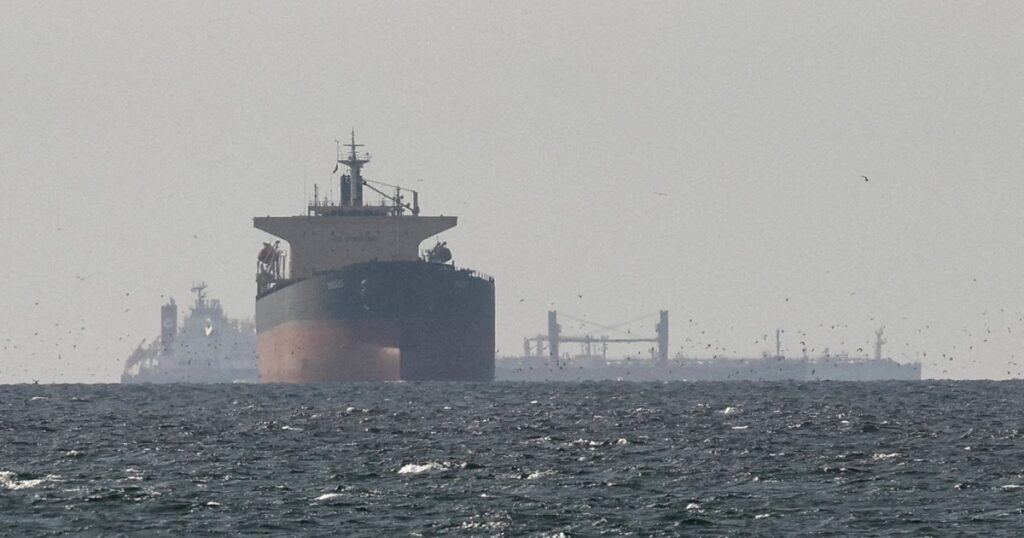
European nations along with Japan have announced plans to coordinate ‘appropriate efforts’ aimed at securing access to the Strait of Hormuz, a vital waterway for global energy supplies. This commitment comes as oil and gas prices surge to record highs, stirring concerns over energy security worldwide. The Strait of Hormuz is a narrow passage that links the Persian Gulf with the Gulf of Oman and the Arabian Sea, serving as a strategic transit route for a significant portion of the world’s petroleum.
As geopolitical tensions in the Middle East escalate, countries dependent on oil imports have expressed growing anxiety over potential disruptions in energy flow. The European nations and Japan are actively exploring diplomatic and tactical measures to mitigate risks and ensure uninterrupted passage of oil tankers and gas shipments through the strait.
The rise in energy prices has been driven by a combination of factors including increased demand post-pandemic, supply limitations, and geopolitical instability in oil-producing regions. This scenario has sparked intense discussions among global leaders on how to stabilize markets and protect critical supply lines.
Efforts to open the Strait of Hormuz safely are also seen as a move to avoid exacerbating the crisis by reducing the threat of military confrontation or blockade that could further constrain the supply. Maintaining free navigation in this crucial waterway is imperative for global energy markets, given that a significant percentage of the world’s petroleum passes through the strait.
International stakeholders are in talks to enhance maritime security operations, share intelligence, and possibly establish a multinational task force to patrol the area. This collaboration underscores the recognition of the strait’s pivotal role in global energy infrastructure and the collective responsibility to safeguard it.
European nations and Japan’s joint stance also sends a clear message of solidarity against any unilateral attempts to disrupt global energy trade. It reflects a broader commitment to uphold international law and security in critical maritime areas.
Energy experts warn that without swift and coordinated action, further price volatility and supply disruptions could exacerbate the economic downturns many countries are grappling with. Consumer and industrial sectors worldwide remain vulnerable to the cascading effects of a sustained energy crisis.
This multinational initiative is expected to evolve as conditions on the ground change, with continuous assessments and adjustments to strategies ensuring responsiveness to emerging threats and opportunities. The global community is closely watching these developments, hopeful for a stabilization of the market and preservation of peace in the region.
In conclusion, the unified approach by European nations and Japan to secure the Strait of Hormuz marks a significant step towards addressing the complex challenges posed by the current oil and gas crisis. Their collaborative efforts highlight the importance of international cooperation in maintaining global energy security and economic stability in an increasingly interconnected world.