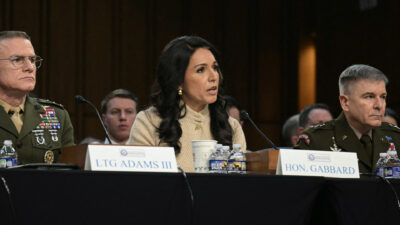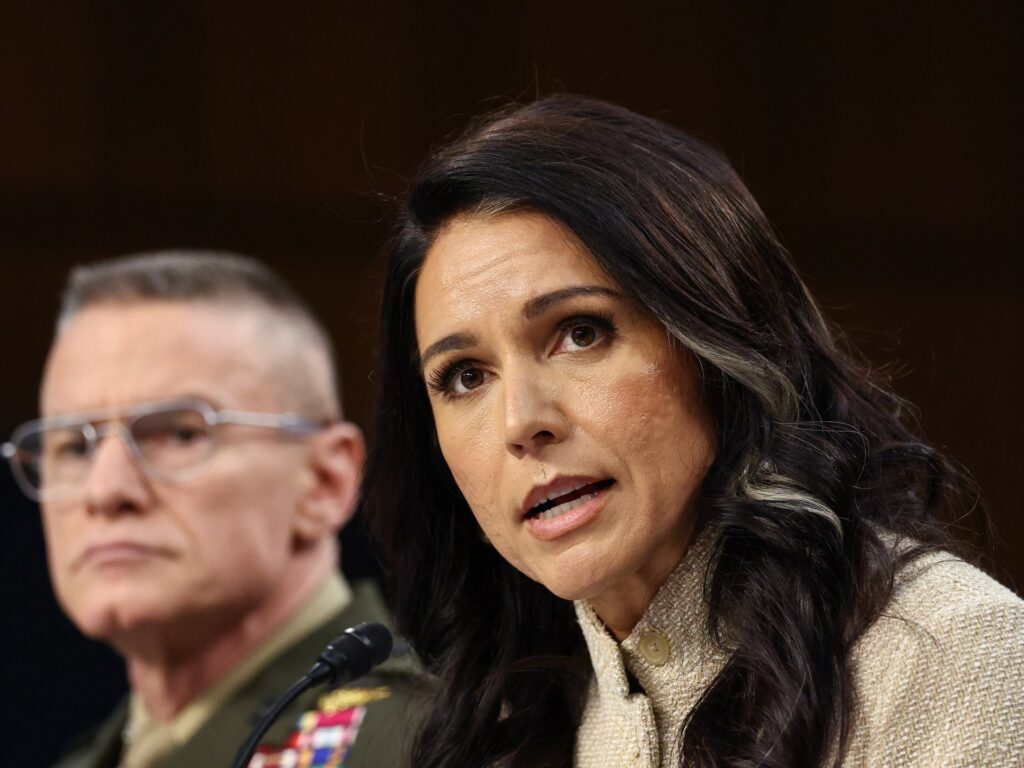
In a significant development that challenges the narrative presented by former President Donald Trump, US intel chief Tulsi Gabbard testified that Iran was not rebuilding its uranium enrichment program prior to the onset of war. This testimony directly contradicts one of the key justifications cited by Trump for initiating hostilities against Iran.
The uranium enrichment program has been a critical point of contention in US-Iran relations, often cited as a major threat due to its potential use in developing nuclear weapons. Trump’s administration frequently referenced Iran’s nuclear ambitions as a primary reason for heightened tensions and eventual military actions.
Gabbard, with access to classified intelligence, stated that prior to the war, Iran was not actively rebuilding or expanding its uranium enrichment capabilities. This assertion brings into question the accuracy and validity of the intelligence used to support the war decision.
Her testimony underscores the broader debate about the use of intelligence in foreign policy and military decisions. It highlights the risk posed by potentially flawed or misinterpreted intelligence reports, which can lead to unnecessary conflict and loss of life.
The contradiction between Gabbard’s assessment and Trump’s public statements has sparked widespread discussion among policymakers, analysts, and the public. Critics argue that using inaccurate intelligence to justify war can undermine public trust and damage America’s credibility on the global stage.
Supporters of Gabbard emphasize the importance of transparency and accountability in government decision-making, urging a thorough review of the intelligence assessments that contributed to the war’s initiation.
This revelation also impacts ongoing diplomatic efforts with Iran. It could pave the way for renewed negotiations, focusing on de-escalation and conflict resolution rather than military confrontation.
Analysts suggest that the testimony may influence Congress and other oversight bodies to re-examine the evidence behind past military actions and consider stronger checks on executive decisions related to war.
Furthermore, the news brings attention to the complexity of the Iran nuclear issue, reinforcing the need for nuanced understanding and cautious policy approaches.
In summary, US intel chief Tulsi Gabbard’s testimony that Iran was not rebuilding its uranium enrichment program prior to the war challenges one of the core justifications provided by Donald Trump for launching conflict with Iran. This development calls for critical evaluations of intelligence use in warfare decisions and has broad implications for US foreign policy and international relations moving forward.