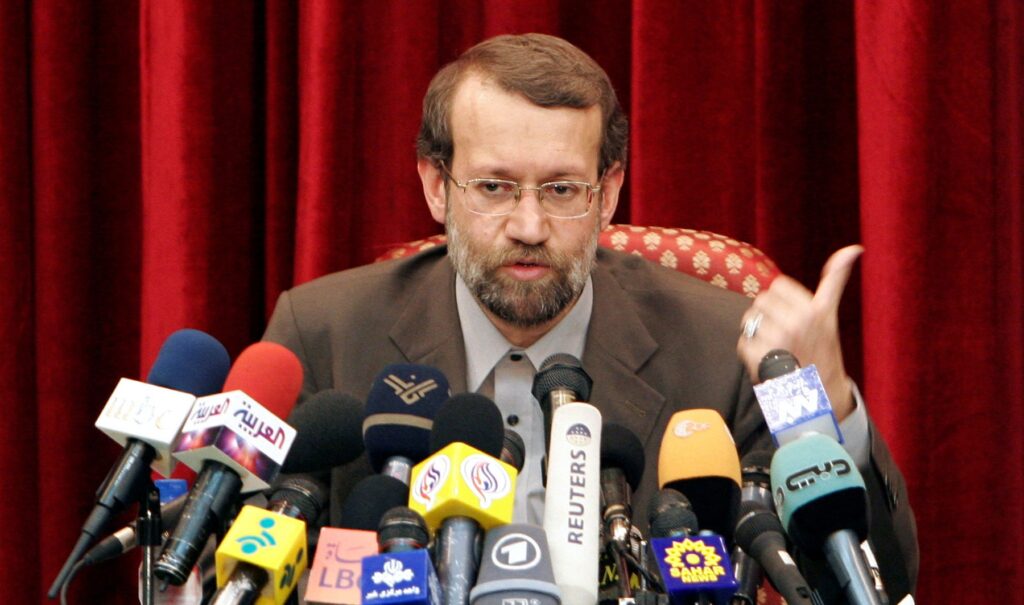
The killing of Ali Larijani, a prominent Iranian political figure, marks a significant turning point in Iran’s political landscape and could have far-reaching consequences for the country’s leadership structure and national security.
Ali Larijani has long been a central figure within Iran’s establishment, serving in various high-profile roles including Speaker of the Parliament and a member of the influential Expediency Discernment Council. His assassination thus represents not only a direct blow to Tehran’s political elite but also introduces uncertainty about the future stability of the regime.
From a leadership perspective, Larijani’s death creates a vacuum in the ranks of Iran’s experienced politicians who have traditionally played a balancing role between hardliners and moderates. Known for his pragmatic approach and significant influence, Larijani often acted as a mediator within the fractured political spectrum. His absence could exacerbate internal power struggles, potentially empowering more radical elements within the government.
This loss may accelerate factionalism inside the political system, diminishing efforts to present a united front on both domestic and international fronts. It may also reduce the effectiveness of Iran’s diplomatic strategies, given Larijani’s experience and extensive connections with regional and global actors.
From a security standpoint, the killing highlights vulnerabilities in Iran’s internal protection mechanisms, underscoring potential gaps in intelligence and counter-intelligence operations. Such a high-profile assassination could embolden opposition groups or foreign intelligence agencies aiming to destabilize the regime.
Moreover, Larijani’s death comes at a sensitive time when Iran faces numerous external pressures including economic sanctions, regional tensions, and ongoing conflicts in neighboring countries. The resultant instability in leadership could weaken Iran’s ability to respond cohesively to these challenges.
The assassination could also prompt a harsh crackdown by security forces targeting perceived dissenters, which might inflame domestic unrest. Conversely, it might rally nationalist sentiments and solidify support behind the current regime, depending on the government’s narrative surrounding the incident.
Internationally, the event is likely to be interpreted as a sign of growing instability within Iran, potentially affecting geopolitical calculations by neighboring states and global powers alike. It may also impact ongoing negotiations related to Iran’s nuclear program and regional policies.
In conclusion, the killing of Ali Larijani is a pivotal event that threatens to deepen internal divisions while exposing Iran to heightened security risks. How Iran’s leadership navigates the aftermath will be critical in determining the country’s trajectory amid an already complex regional and global environment.