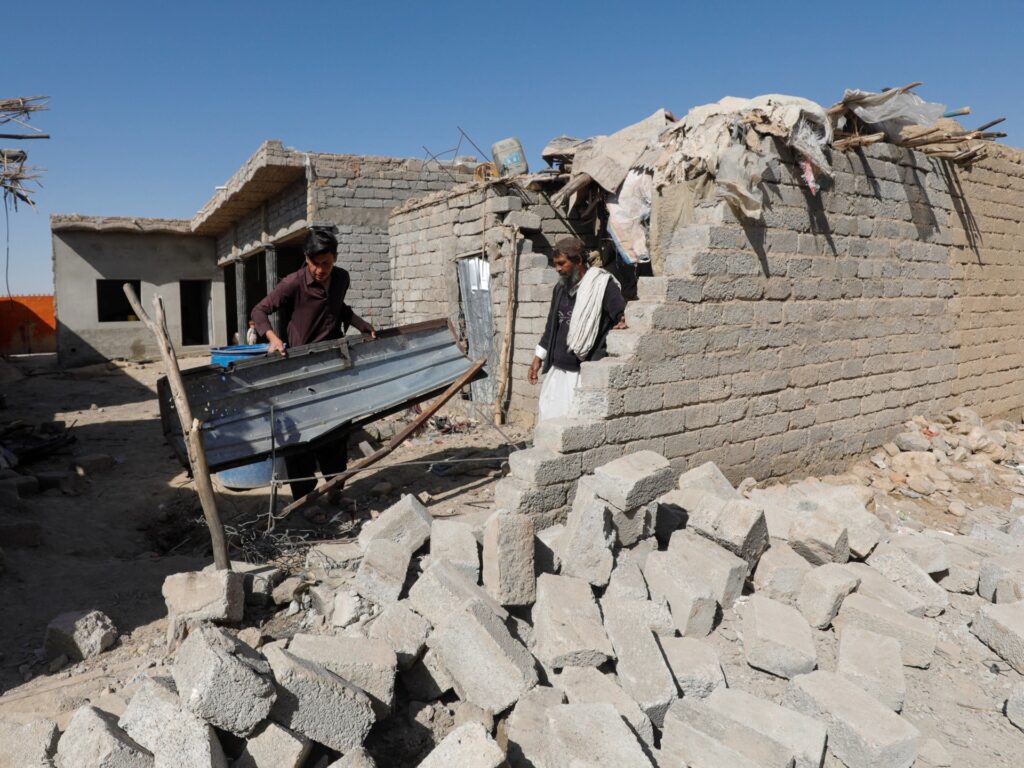
In recent months, the escalating conflict between the Taliban and Pakistani forces has drawn global attention, particularly due to the use of drone technology by the Taliban. These drone attacks have exposed potential weaknesses in Pakistan’s security infrastructure and response mechanisms, raising concerns among military analysts and defense experts.
The deployment of drones by the Taliban signifies a strategic evolution in their tactics, leveraging modern technology to conduct reconnaissance and targeted strikes. Unlike traditional warfare, drone attacks offer a low-risk, high-impact method for militants to challenge state security without direct engagement.
Experts suggest that the increasing frequency and sophistication of these drone assaults point to a ‘chink in the armour’ of Pakistan’s otherwise robust military apparatus. The drones have been used to target critical installations, command centers, and convoys, disrupting communication lines and causing significant damage with minimal personnel risk.
Pakistan’s security forces, while experienced in counter-insurgency operations, are now confronted with the need to adapt quickly to this new dimension of warfare. This requires enhanced detection and interception technologies, specialized training for personnel, and revised tactical protocols.
Analysts argue that the current response strategy has been reactive rather than proactive, focusing on damage control post-attack rather than preempting threats. The inability to prevent repeated drone incursions indicates gaps in airspace surveillance and radar capabilities.
Furthermore, the source of the Taliban’s drone technology is a subject of concern. There are suspicions about the ease with which militants are acquiring commercially available drones, modifying them for combat, and possibly receiving external support, thereby complicating Pakistan’s defense landscape.
The psychological impact of these attacks also cannot be underestimated. Drone strikes carry an intimidating message, undermining public confidence in government security assurances and emboldening militants.
In response, Pakistan has initiated efforts to upgrade its electronic warfare systems and establish dedicated anti-drone units. Collaborations with international allies aim to incorporate cutting-edge technology to counter UAV threats effectively.
Despite these measures, the evolving nature of drone warfare demands continuous innovation and vigilance. Experts warn that failure to address these vulnerabilities promptly may lead to further escalations and higher casualties.
The Taliban’s use of drones underscores a broader shift in insurgent tactics worldwide, reflecting a move towards asymmetric warfare that leverages technology to offset conventional military disadvantages.
In conclusion, the drone attacks by the Taliban have undeniably exposed significant challenges in Pakistan’s security framework. They serve as a stark reminder for the need to modernize defense strategies and invest in advanced countermeasures to safeguard national security in an increasingly complex conflict environment.