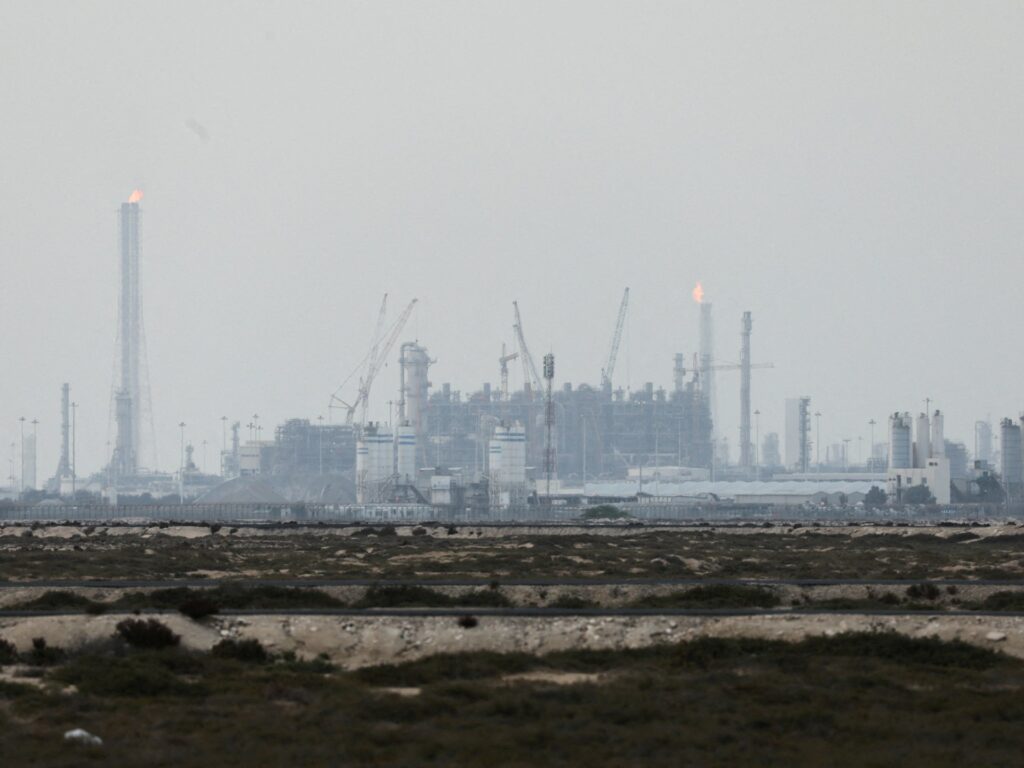
In a significant escalation of diplomatic tensions, Qatar has announced that the recent attack on the Ras Laffan gas facility caused extensive damage, highlighting the vulnerability of one of the world’s largest gas processing plants. Ras Laffan, a key hub in Qatar’s natural gas infrastructure, suffered severe impacts that could potentially disrupt global energy supplies.
The attack, which occurred unexpectedly, was swiftly condemned by Qatari authorities who attributed the act to Iran. In response to the incident, Qatar took the extraordinary step of declaring the Iranian embassy’s military and security attaches persona non grata, signaling a serious rupture in diplomatic relations between the two countries.
This move marks a rare and strong diplomatic retaliation by Qatar, reflecting the gravity of the situation. Designating diplomatic personnel as persona non grata is a formal way to expel diplomats, and it underscores Qatar’s serious concerns over Iranian activities within its borders.
Ras Laffan, located in the northern part of Qatar, is one of the largest integrated facilities for the production of liquefied natural gas (LNG) and other hydrocarbon products. The facility is a cornerstone of Qatar’s economy and a vital source of energy for the international market, supplying LNG to numerous countries worldwide.
The reported damage from the attack raises concerns not only about Qatar’s energy security but also about the broader stability of the region. The Persian Gulf, a crucial artery for global energy supplies, has been a hotspot for geopolitical tensions involving multiple players, including Iran and its neighbors.
Following the attack, Qatari officials have intensified security measures at critical infrastructure sites, emphasizing the protection of national assets against future threats. The government has pledged to conduct a thorough investigation into the attack’s origins and to pursue accountability through diplomatic channels and potential international cooperation.
Iran’s response to the allegations has been cautious, denying direct involvement while criticizing the accusations as politically motivated. Tehran has called for restraint and dialogue to prevent further escalation.
Global markets reacted nervously to the news, with energy prices experiencing volatility due to fears of supply disruptions stemming from the incident at Ras Laffan. Analysts warn that prolonged instability could have far-reaching consequences for the global energy market.
The unfolding situation between Qatar and Iran illustrates the complex dynamics of Middle Eastern geopolitics, where energy resources, national security, and diplomatic relations frequently intersect and can flare into conflicts.
International observers have called for calm and urged both nations to resolve their disputes through diplomatic means. The incident underscores the delicate balance of power in the Gulf region and the ongoing challenges to maintaining peace and security.
As Qatar moves forward with its response, it remains to be seen how Iran will adjust its diplomatic posture in light of the expulsions and accusations. The global community watches closely, given the strategic importance of the area and the potential implications for energy stability worldwide.
In summary, the attack on the Ras Laffan gas facility has not only caused extensive physical damage but also significantly strained Qatar-Iran relations. The declaration of Iranian military and security attaches as persona non grata represents a major diplomatic rebuke, reflecting the serious nature of the incident and its broader geopolitical ramifications.