The recent primaries in Illinois have brought to light the nuanced impact of financial contributions from pro-Israel groups on political outcomes. As these groups poured significant funding into various campaigns, the results reveal a mixed record rather than a straightforward, sweeping victory.
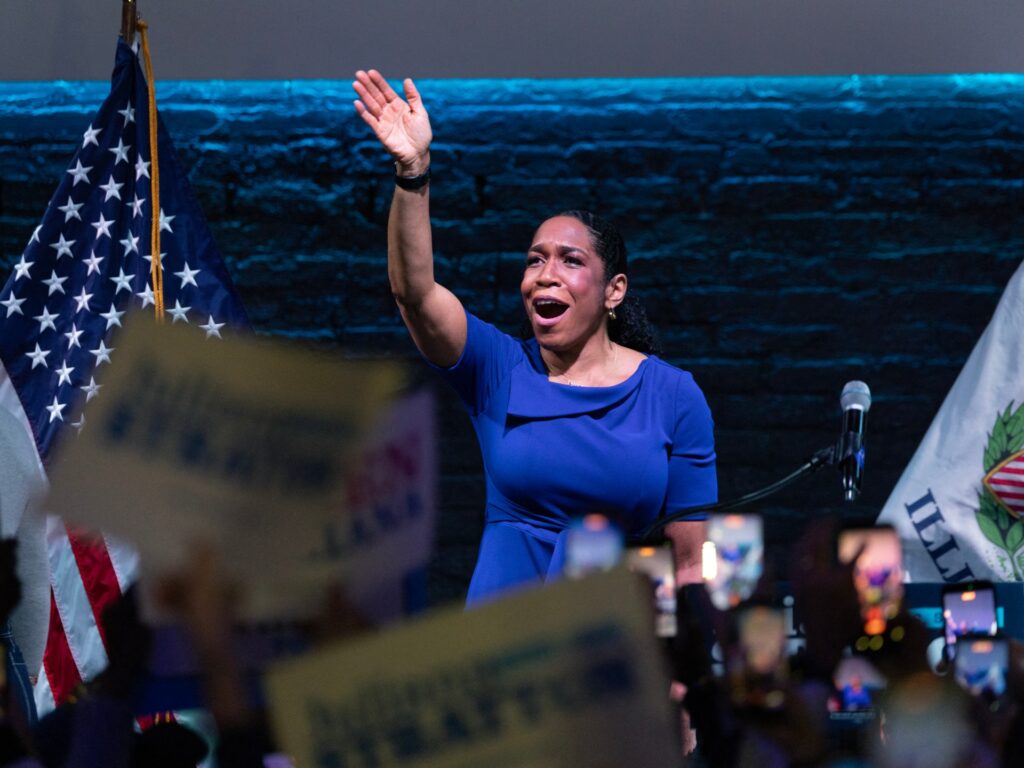
Among the most closely watched races was the Democratic primary for the U.S. Senate candidacy, where Lieutenant Governor Juliana Stratton emerged victorious. Stratton notably received substantial financial backing from pro-Israel donors, which played a role in bolstering her campaign resources. Her win signifies a key success for pro-Israel interests, as her policy positions are generally aligned with advocating for Israel’s strategic and diplomatic priorities.
However, the broader picture remains complex. While pro-Israel groups injected large amounts of money into Illinois primaries, their influence did not guarantee wins across the board. Some candidates who received substantial contributions from these groups did not advance, highlighting that financial support alone cannot ensure electoral success. Voter preferences, campaign strategies, and local issues also significantly shape election results.
The influx of money from interest groups, including those supporting Israel, underscores the evolving dynamics of Illinois politics. With campaigns becoming increasingly expensive, outside funding has the potential to sway races, especially in competitive primaries. Yet, the modest success rate for pro-Israel-backed candidates in this cycle suggests limits to this influence.
Political analysts observing these developments note that financial backing is just one piece of a multifaceted electoral puzzle. Candidates must connect with voters on policy, identity, and trust to convert monetary support into votes. Additionally, the Illinois electorate’s diverse views mean that endorsements by pro-Israel groups may resonate differently across constituencies.
Lieutenant Governor Stratton’s campaign exemplified a strategic combination of grassroots engagement, policy clarity, and high-profile endorsements, including from pro-Israel donors. This multifaceted approach likely contributed to her securing the Democratic nomination, positioning her as a formidable candidate for the upcoming general election.
The mixed outcomes experienced by pro-Israel groups in these primaries highlight the ongoing challenges of political advocacy in a pluralistic society. While financial resources remain critical, they must be integrated into broader campaign tactics to effectively influence voter behavior.
As Illinois moves closer to the general elections, both candidates and donors will be closely analyzing these primary results. The lessons learned may shape future campaign strategies, particularly for interest groups seeking to impact state and national political landscapes.
Overall, the 2024 Illinois primaries serve as a case study in the complex interplay between money, advocacy, and democracy. Pro-Israel organizations gained some ground, as evidenced by Lieutenant Governor Juliana Stratton’s success, yet also faced limitations that underscore the unpredictable nature of electoral politics in a financially charged environment.