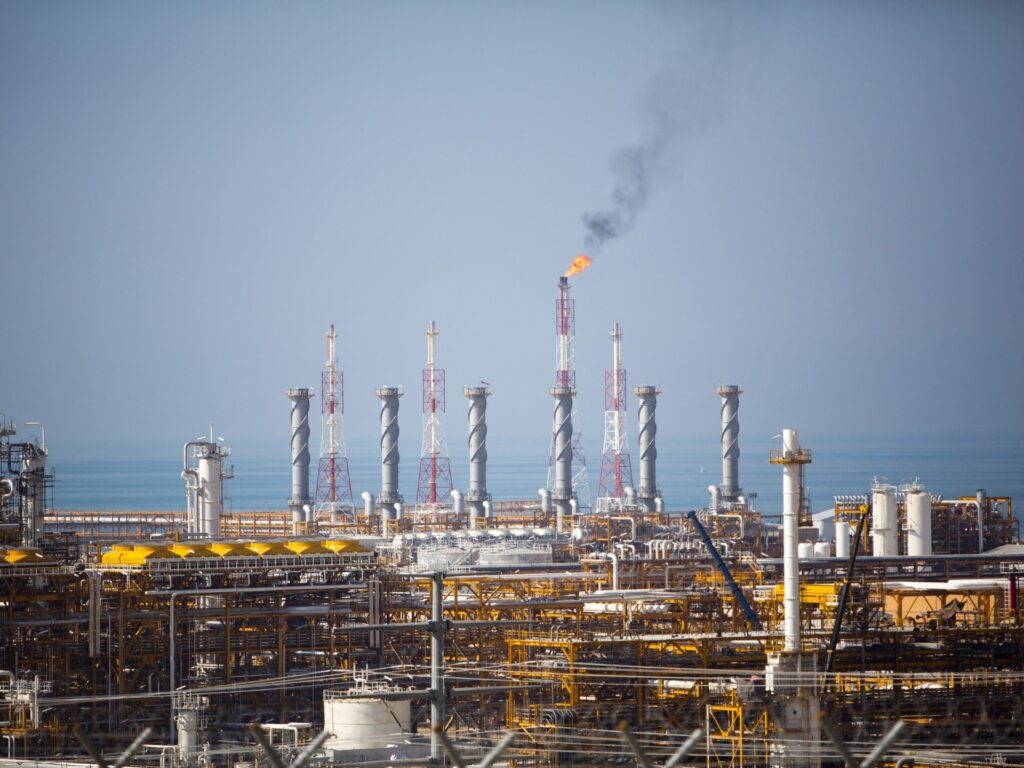
Oil prices surged globally following a recent Israeli strike on Iran’s South Pars gasfield, a critical source of natural gas resources. This incident has raised significant concerns about the stability of oil and gas supplies, particularly from the Middle East, a region pivotal to the global energy market. The South Pars gasfield, shared between Iran and Qatar, is the world’s largest natural gas field, and any disruption here can have widespread impacts on energy prices and international markets.
The strike, which targeted key infrastructure at the gasfield, has led to fears that prolonged elevated prices for oil and gas could ensue. Experts warn that this could severely strain global energy supplies and exacerbate inflationary pressures worldwide. Energy prices are a major component of consumer and industrial costs, and a spike can ripple through economies, increasing the price of goods and services broadly.
Markets reacted swiftly, with benchmark oil prices climbing steeply as traders anticipated further disruptions to supply chains. This price volatility adds uncertainty to an already fragile global economic recovery grappling with inflation rates elevated by past shocks, such as the COVID-19 pandemic, supply chain constraints, and geopolitical tensions.
The Israeli strike is seen in the context of ongoing regional tensions between Israel and Iran. Analysts suggest that such actions could escalate the conflict further, risking more substantial harm to energy infrastructure and stability in the region. Political instability in the Middle East historically correlates with higher energy prices due to potential supply interruptions.
Governments around the world are now monitoring the situation closely, with some considering strategic measures to mitigate the impact of potential prolonged energy price increases. These measures include releasing oil reserves, accelerating renewable energy projects, and seeking alternative suppliers to reduce dependency on volatile regions.
Consumers and businesses alike may face higher energy bills in the coming months, impacting everything from transportation costs to manufacturing expenses. Inflationary pressures could result in increased food prices, reduced purchasing power, and slower economic growth if the energy crisis deepens.
The international community calls for de-escalation of hostilities to prevent further disruption. Diplomatic efforts may intensify to secure peace and protect critical infrastructure essential for the global economy’s functioning.
In summary, the Israeli strike on Iran’s South Pars gasfield has triggered a surge in oil prices, sparking fears of sustained high energy prices that could fuel a damaging wave of global inflation. The event underscores the interconnectedness of geopolitics and global economic stability, highlighting the need for strategic resilience in energy policy and international relations.