Kenya, a country known for its varied climate, is currently facing a paradoxical challenge as rains have begun in many parts of the nation, yet the northern region, particularly Turkana, remains severely drought-stricken. This phenomenon, described aptly as a ‘drought amid plenty,’ brings to light the stark disparities in water availability and its impact on local communities.
The recent rainy season has brought relief to many regions in Kenya. Across various parts of the country, landscapes have turned greener, water reservoirs have started to replenish, and agriculture is showing signs of revival. Farmers in central and western Kenya have begun planting crops, hopeful for a good harvest after a prolonged dry spell.
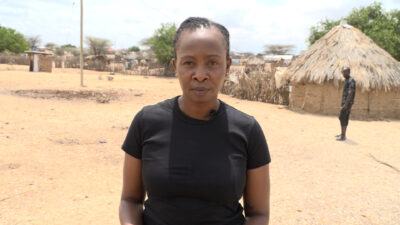
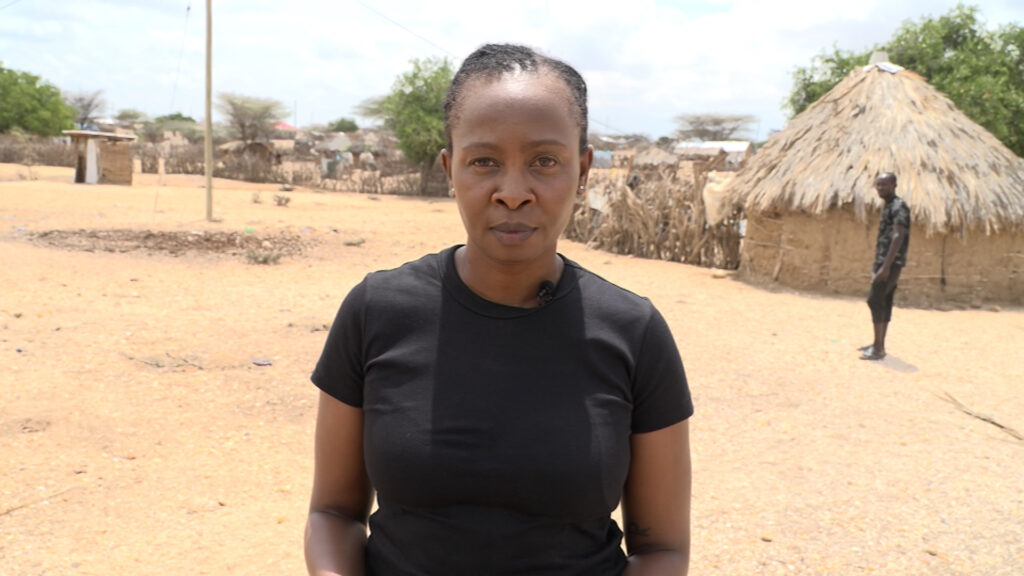
However, this welcome weather change contrasts sharply with conditions in northern Kenya. Turkana, a region that has historically been vulnerable to extreme weather fluctuations due to its semi-arid nature, continues to battle with insufficient rainfall and prolonged dry conditions. For the people of Turkana, the rains remain elusive, perpetuating a cycle of hardship.
Residents of Turkana have reported dwindling water sources. Traditional wells and rivers have dried up, and the scarcity of water has significantly impacted livestock health and crop farming, which are the bedrock of the local economy. Women and children often spend hours trekking long distances in search of water, a burden that affects health and education.
The drought amid these regions with ample rains challenges the government and humanitarian organizations. Efforts to improve water access include drilling boreholes, constructing water pans, and installing water tanks, but these measures are often hindered by logistical constraints and funding shortages.
Moreover, the persistent drought has led to food shortages and increased vulnerability to malnutrition in Turkana. Food aid initiatives have been deployed, but they cannot replace the sustainable agricultural development that the community desperately needs.
Experts suggest that climate change is exacerbating the irregular rainfall patterns, affecting the predictability and distribution of rains across Kenya. This has made traditional farming and pastoral practices increasingly precarious.
The Kenyan government, along with international partners, is urged to invest in climate-resilient infrastructure and community-based adaptation strategies. These include improved drought forecasting, water conservation methods, and diversified livelihood programs to reduce dependence on rain-dependent farming.
In Turkana, community leaders emphasize the importance of local knowledge and participation in designing solutions. They advocate for integrated approaches that combine modern technology with indigenous practices to manage water resources effectively.
Kenya’s ‘drought amid plenty’ serves as a crucial reminder of the need for equitable resource distribution and climate adaptation. While some parts of the country turn green and hopeful with the rains, others continue to face the daily realities of water scarcity and drought.
Addressing these challenges requires coordinated action at national and community levels. Sustainable improvements in water and food security will not only enhance resilience but also promote social stability and economic growth in Kenya’s most vulnerable regions.
As the rainy season progresses, eyes remain on Turkana and other drought-affected areas, hopeful that nature’s blessing will extend and bring relief. The situation underscores the urgency of tackling climate variability and ensuring that no Kenyans are left behind in the quest for a prosperous and secure future.