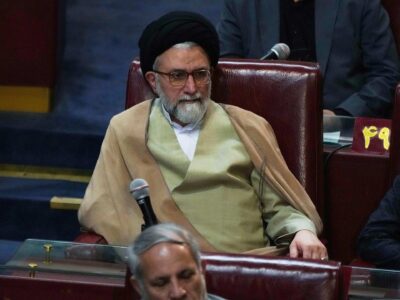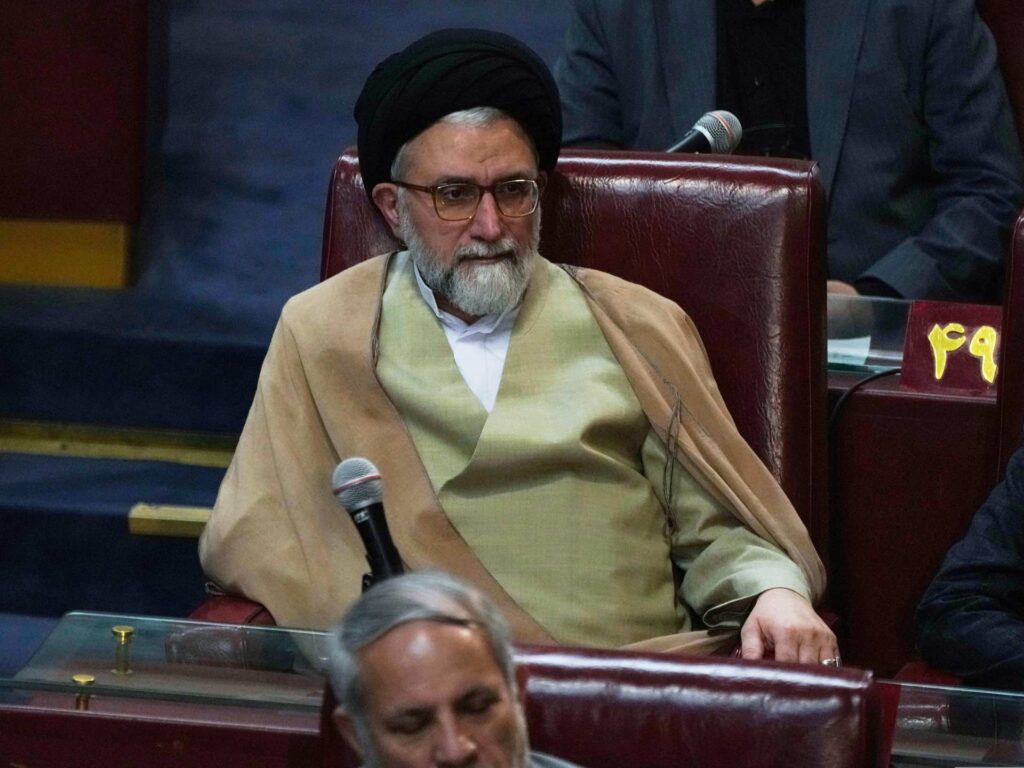
In a significant escalation of covert operations in the Middle East, Israel has announced the assassination of Esmaeil Khatib, Iran’s Intelligence Minister. This marks the third targeted killing related to Iran in as many days, intensifying the long-standing proxy conflict between the two nations.
Israel reportedly received military authorization to strike Iranian leaders at will, signaling a robust and aggressive stance towards Iran’s leadership and intelligence apparatus. The move reflects heightened tensions and a willingness to carry out high-profile covert operations beyond its borders to counter what it perceives as serious threats from Tehran.
The assassination of Esmaeil Khatib, a top figure responsible for overseeing Iran’s intelligence and security operations, deals a substantial blow to Iran’s national security establishment. Khatib’s role has been crucial in managing Iran’s intelligence strategies both domestically and in relations with proxy groups throughout the region.
As of now, Iranian authorities have not officially confirmed the death of Esmaeil Khatib. The lack of confirmation adds to the uncertainty surrounding the event and the potential implications for Iran’s internal security and external strategy.
This operation follows two other recent assassinations linked to Iran, underscoring the volatile and dangerous state of affairs between Israel and Iran. The attacks likely reflect coordinated intelligence work and a strategic effort to disrupt Iran’s operational capabilities.
International observers express concern over the escalating tit-for-tat violence, fearing it could destabilize an already fragile region. Analysts warn that such high-level targeted killings could provoke retaliatory attacks, potentially sparking a broader conflict with catastrophic regional consequences.
Israel’s authorization to target Iranian leadership more freely indicates a shift towards more aggressive preemptive measures. The Israeli government cites persistent threats from Iran’s nuclear ambitions, support for militant organizations, and regional interventions as justification for its intensified operations.
Regional players are watching closely, as the unfolding situation could lead to shifting alliances, increased military posturing, and further compromise the prospects for diplomatic resolutions. Many nations urge restraint and pursuit of dialogue to prevent a spiral into open warfare.
The international community remains on alert, monitoring for any signs of escalation or retaliatory strikes. The recent assassinations highlight the shadowy nature of asymmetrical warfare in the Middle East and the profound risks involved with covert military actions.
In summary, Israel’s announcement of killing Iran’s Intelligence Minister Esmaeil Khatib, alongside giving military permission for further strikes on Iranian leaders, marks a dangerous escalation in a complex geopolitical struggle. As the situation develops, the world watches cautiously for any indication of how Tehran will respond and the possible repercussions for regional and global security.