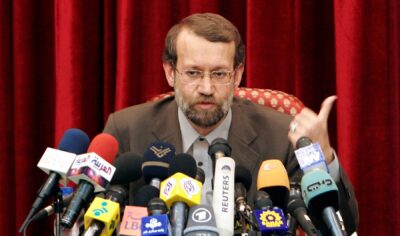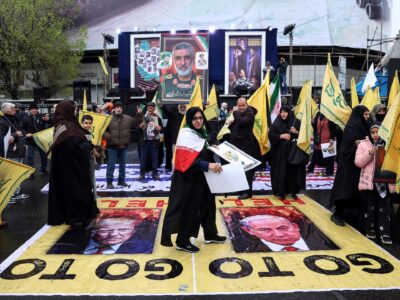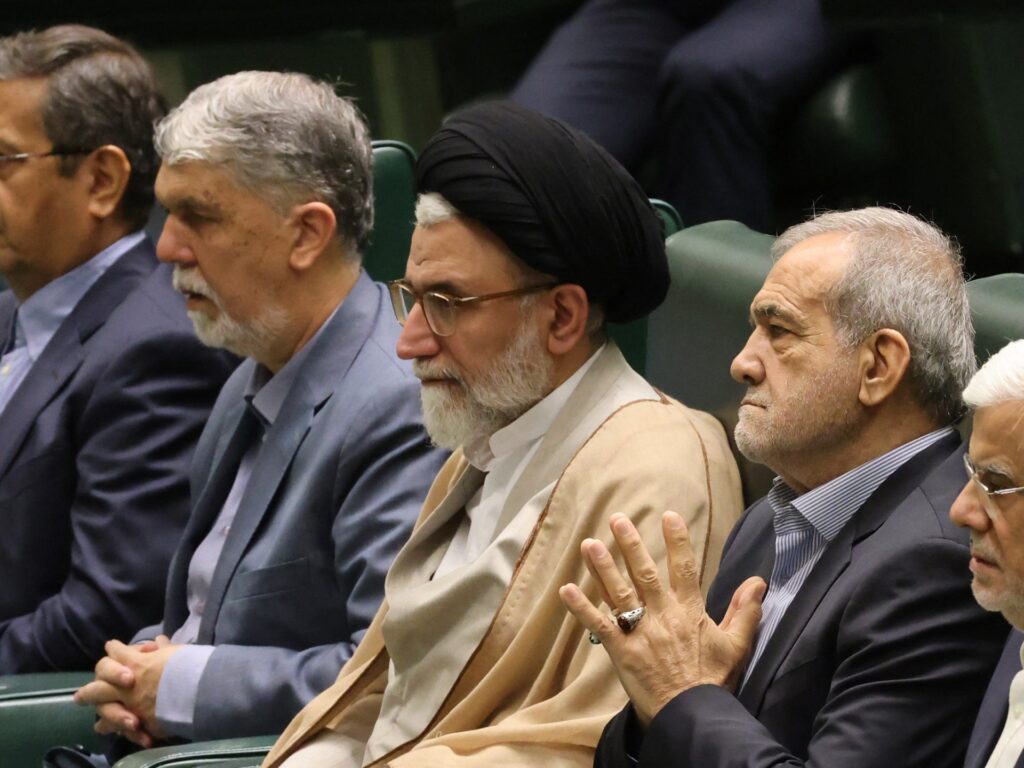
In a significant development that could escalate tensions in the Middle East, Israel’s Defence Minister Israel Katz has announced that an overnight strike successfully killed Iran’s Intelligence Minister, Esmail Khatib. The operation, reportedly executed by Israeli forces, targeted high-ranking intelligence officials, resulting in the elimination of one of Iran’s top intelligence figures.
Esmail Khatib, who served as the head of Iran’s intelligence ministry, played a crucial role in shaping the country’s intelligence and security operations both domestically and abroad. His death marks a major blow to Iran’s intelligence capabilities and is expected to heighten the already volatile relations between Israel and Iran.
Details about the strike remain sparse, with the Israeli government refraining from providing extensive information about the location or exact circumstances of the attack. However, the announcement confirms the strategic precision of Israel’s military operations aimed at curbing what it perceives as Iranian threats to regional security.
Israel Katz emphasized the importance of the strike in protecting Israel’s national security and deterring future hostile actions planned by Iranian operatives. “We will continue to take decisive actions against those who threaten our country and our citizens,” Katz stated in a public address following the announcement.
The killing of Esmail Khatib could have wide-reaching implications, potentially escalating conflict in the region. Iran is expected to respond firmly to this attack which targets one of its senior intelligence officials, possibly leading to retaliatory measures against Israeli interests.
This event adds to the series of covert and overt confrontations that have characterized Israel-Iran relations in recent years. Both nations have been engaged in a complex proxy conflict, involving intelligence operations, cyber warfare, and occasional military strikes.
International reactions to the killing have been mixed. Some allies of Israel have expressed support for actions deemed necessary to prevent the spread of Iranian influence and stop attacks against Israel-backed forces. Meanwhile, other countries have called for restraint and dialogue to avoid further escalation that could destabilize the Middle East.
Experts warn that while the elimination of a key intelligence figure could disrupt Iran’s intelligence apparatus temporarily, it may also harden Iran’s stance and increase the likelihood of asymmetric warfare and proxy attacks across the region.
The Middle East remains a tinderbox of geopolitical tension, and incidents like these highlight the fragile nature of peace and security. The international community continues to watch closely, hoping for a de-escalation but preparing for possible fallout.
Israel’s ongoing efforts to counter perceived threats from Iran involve a combination of diplomatic, intelligence, and military strategies, underscoring the complex and multifaceted nature of Middle Eastern security challenges.
As the situation develops, further updates are expected regarding both Iranian responses and international diplomatic efforts aimed at preventing a broader conflict arising from this significant incident.