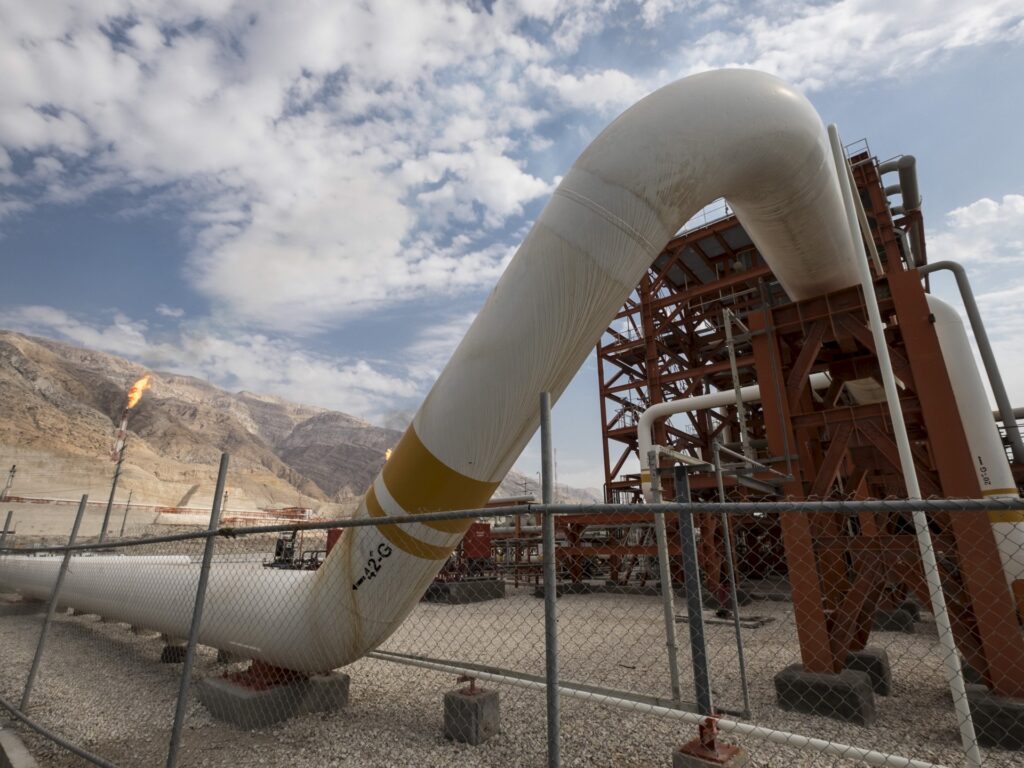
Tensions in the Gulf region have escalated significantly after an attack on the South Pars offshore gasfield, one of the world’s largest natural gas fields shared by Iran and Qatar. Iran has threatened to strike energy facilities in the Gulf in retaliation for the incident. The South Pars gasfield, which plays a crucial role in the energy supply for the region, was the target of what Iranian officials describe as a sabotage attack.
The Qatar foreign ministry condemned the attack vehemently, with a spokesman calling it a “dangerous and irresponsible step”. Qatar shares the South Pars field with Iran, and both countries rely heavily on this resource for economic stability and energy exports. The spokesman’s remarks hint at the complexities of regional politics and the shared interests in energy security.
Iranian officials have not publicly identified the perpetrators but the geopolitical undercurrents suggest a complex web of regional rivalries. The threat to strike Gulf energy facilities reflects Iran’s readiness to defend its energy sector and assert its influence in the region.
This incident risks destabilizing the already precarious security environment in the Gulf, an area critical to global energy markets. Any disruption in energy output can have far-reaching consequences on international oil and gas prices.
The attack on South Pars also underscores the vulnerability of offshore energy infrastructure in geopolitically sensitive areas. Such facilities are crucial for national economies yet remain susceptible to sabotage and military actions.
The international community has called for restraint and dialogue to prevent escalation. Many countries depend on the uninterrupted flow of energy resources from the Gulf and are concerned about any disturbance that might affect global supply chains.
In summary, the attack on the South Pars gasfield has provoked sharp responses from Iran and Qatar, with Iran threatening retaliatory strikes on Gulf energy installations. The situation highlights the urgent need for diplomatic engagement to ensure the security of critical energy infrastructure and maintain regional stability.