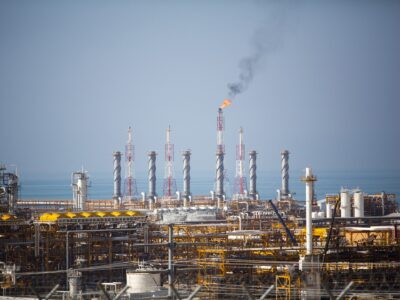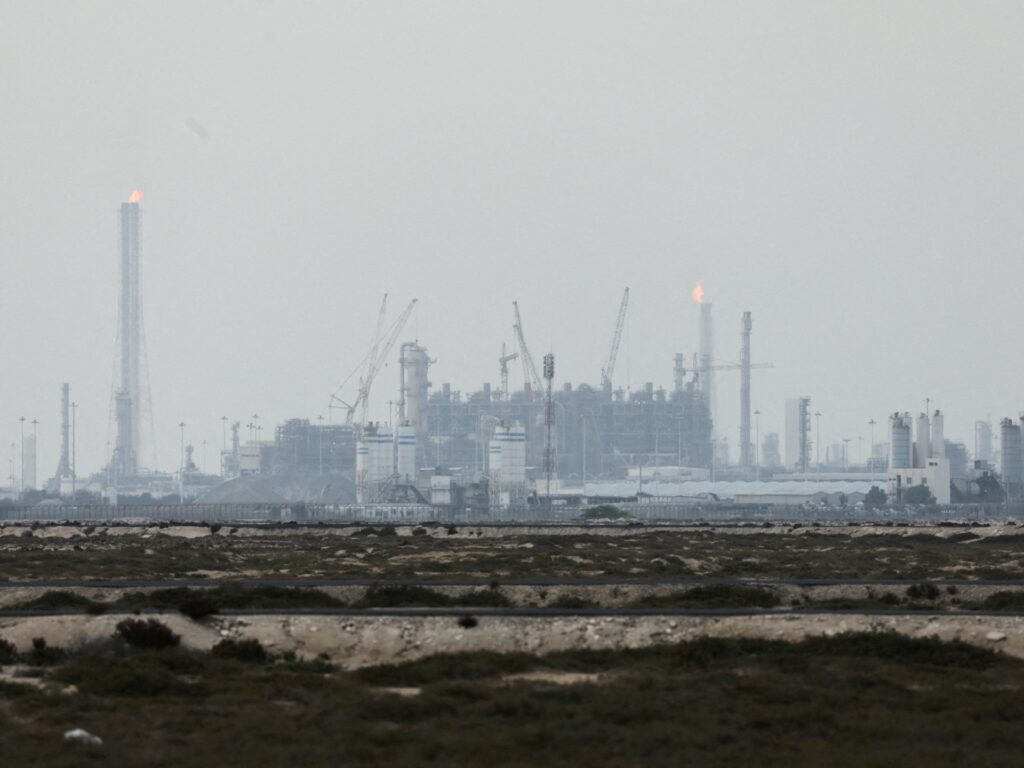
Qatar has reported that an Iranian missile attack has sparked a fire and caused significant damage at the Ras Laffan complex, a key facility in the processing of liquefied natural gas (LNG). Ras Laffan is one of Qatar’s most critical industrial zones, known for housing processing units that handle LNG, a vital export product for the country.
According to Qatari officials, the missile strike resulted in an immediate fire outbreak at the facility, necessitating emergency response to contain the blaze and mitigate further damage. While details on casualties or the extent of the damage have not been fully disclosed, the incident has raised concerns about regional security and the vulnerability of critical energy infrastructure.
The Ras Laffan complex is central to Qatar’s position as one of the world’s leading LNG exporters, and any disruption here could have implications for global energy markets. Qatar supplies a significant portion of the world’s LNG, and stability at this facility is crucial for maintaining its supply commitments.
The attack has been condemned internationally as an escalation that threatens not only Qatar’s energy sector but also regional peace. Analysts note that such incidents can heighten tensions between Iran and Gulf countries, potentially disrupting diplomatic relations and regional cooperation.
Qatar is coordinating with international partners to investigate the attack and strengthen the security of its energy infrastructure. The government has assured the public and investors that it is taking all necessary measures to restore normal operations at Ras Laffan and prevent future attacks.
This event underscores the ongoing geopolitical challenges in the Gulf region, where energy resources and strategic interests often intersect with security concerns. The missile attack on the Ras Laffan complex signals a troubling development that stakeholders in both the energy and political spheres will be closely monitoring in the coming days and weeks.