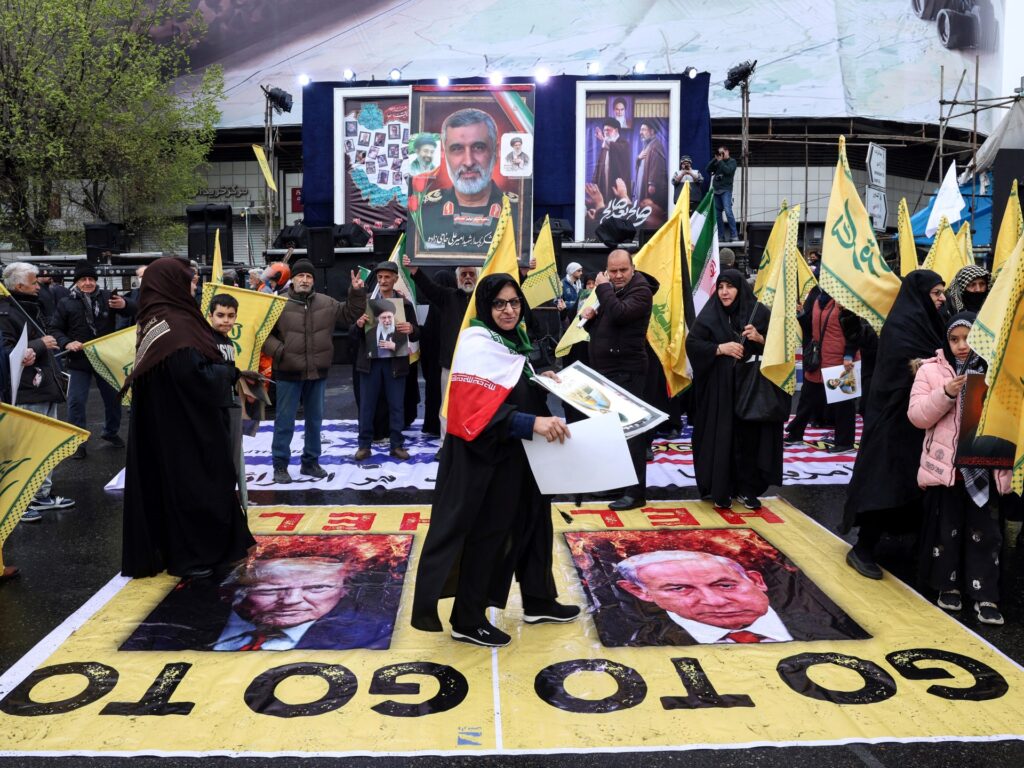
In recent developments, Iran has announced the arrest of hundreds of individuals labeled as ‘traitors’ in a sweeping crackdown following the high-profile killings of prominent Iranian figures, including Larijani and Soleimani. The arrests signify Tehran’s intense efforts to consolidate national security and root out those it accuses of collaborating with adversarial foreign powers.
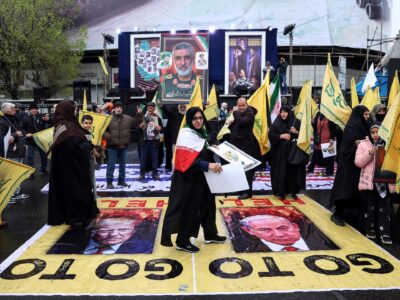
Iranian officials have articulated a narrative of resilience and victory, declaring that the United States and Israel are enduring significant ‘defeats’ as a result of their covert and overt operations within Iranian territory. This statement comes as the Iranian government seeks to underscore its capability to counteract foreign interference and maintain internal stability.
The crackdown is reported to have targeted a broad network of individuals suspected of espionage, sabotage, and undermining national cohesion. The arrests follow a period marked by escalated tensions between Iran and Western nations, especially the United States and its allies, in the wake of strategic assassinations that have impacted Iranian political and military leadership.
Authorities have not disclosed the exact identities or number of detainees, but the scale suggests a wide-ranging effort by the security apparatus. This movement coincides with increased rhetoric from Iranian leaders emphasizing resistance against foreign plots and the protection of national sovereignty.
International observers and human rights groups have expressed concern about the mass arrests and the potential for abuses, calling for transparency and due process in handling those detained. The situation adds complexity to the already fraught geopolitical landscape in the Middle East, where Iran remains a focal point of contention.
The implications of this crackdown extend beyond immediate security concerns, signaling Iran’s strategic posture and its determination to confront external pressures. It also raises questions about the internal dynamics within Iran and the challenges the government faces in balancing security and civil liberties.
As the situation unfolds, it will be critical to monitor Iran’s actions and the international community’s response. The announcement of these arrests and the assertive messaging against the US and Israel encapsulate the ongoing struggle for influence and control in a region marked by deeply entrenched conflicts and geopolitical rivalries.