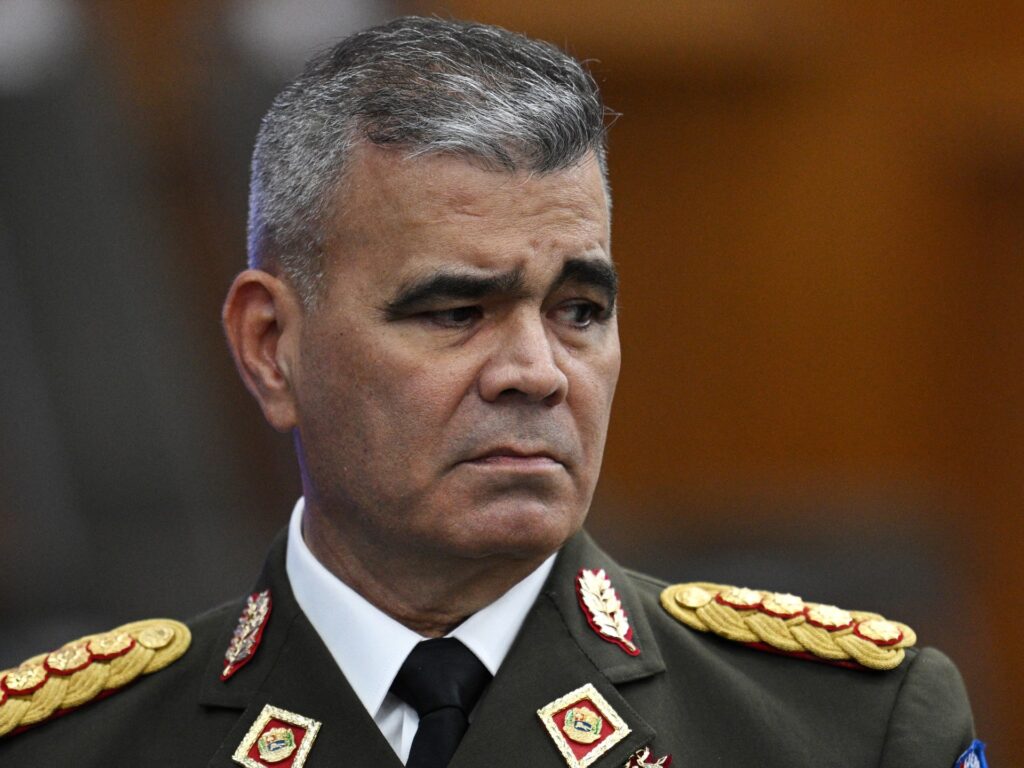
In a significant development in Venezuelan politics, Delcy Rodriguez has been appointed as the new Defence Minister of Venezuela, replacing General Vladimir Padrino. General Padrino served as the country’s defence minister for over 11 years and was considered a key ally of President Nicolas Maduro throughout his tenure.
General Vladimir Padrino’s long-standing role as the defence minister marked a period of continuity in Venezuela’s military leadership. His close alignment with President Maduro was instrumental in maintaining the government’s control amid intense political and economic challenges. Padrino was often seen as a stabilizing figure within the country’s volatile political landscape, providing strong military support to Maduro’s administration.
The replacement of such a pivotal figure signals a potentially important shift in Venezuela’s defence policies and political dynamics. Delcy Rodriguez, who has previously held influential government positions, including Vice President of Venezuela, steps into this critical role at a time when the country continues to face domestic and international pressures.
Rodriguez’s appointment may reflect the government’s desire to consolidate power and introduce new strategies in the defence sector. Her political background suggests a strong alignment with Maduro’s policies, and she could bring a different approach to the military’s role in Venezuela’s governance.
The change in defence leadership comes amid ongoing tensions within Venezuela, including economic instability, international sanctions, and diplomatic isolation from several countries. The military’s role remains crucial in safeguarding Maduro’s government against internal dissent and external threats.
Observers are keenly watching how Rodriguez will navigate these challenges and maintain the loyalty of the armed forces, which have been a cornerstone of Maduro’s resilience. Her leadership style and policy decisions will likely influence Venezuela’s defence posture and potentially impact the broader political landscape.
This transition also highlights the evolving nature of Venezuela’s political elite, with Rodriguez being one of the prominent female figures to ascend to a traditionally male-dominated position. It reflects changing dynamics within the government as it seeks to adapt to persistent crises.
While much remains to be seen about the implications of this change, Rodriguez’s appointment underscores the strategic importance the Maduro administration places on maintaining control over the military apparatus. It serves as a reminder of the defence ministry’s pivotal role in the country’s ongoing struggle for political stability.
This development is expected to have repercussions both domestically and internationally, as Venezuela continues to navigate complex relations with neighboring countries and global powers. The international community will be closely monitoring how this new leadership shapes Venezuela’s defence and foreign policies in the near future.