The conflict between the US-Israel alliance and Iran has reached its 19th day, marked by heightened tensions, retaliatory strikes, and significant casualties. The latest Israeli airstrike has killed Ali Larijani, a top Iranian security chief, alongside Gholamreza Soleimani, a senior commander of the Basij militia. These high-profile assassinations have intensified the conflict, prompting Iran to vow severe retaliation against both the United States and Israel.
Since the outset of these attacks nearly three weeks ago, the situation has rapidly deteriorated, signaling a potential for wider regional instability. Iran has responded with strong rhetoric, declaring that the blood of their commanders will not go unavenged. The Basij militia, a paramilitary force under the Islamic Revolutionary Guard Corps (IRGC), is expected to spearhead Iran’s retaliatory operations.
US and Israeli forces conducting the strikes justify their actions as preemptive measures to prevent Iranian advances in regional influence and nuclear development. However, these operations have faced backlash globally, with many countries warning that such aggressive tactics risk plunging the Middle East into prolonged conflict.
The deaths of Larijani and Soleimani are seen as significant blows to Iran’s defensive and intelligence capabilities. Larijani was known for his strategic command over Iran’s security apparatus, while Soleimani played a key role in near-border operations and militant coordination across the region.
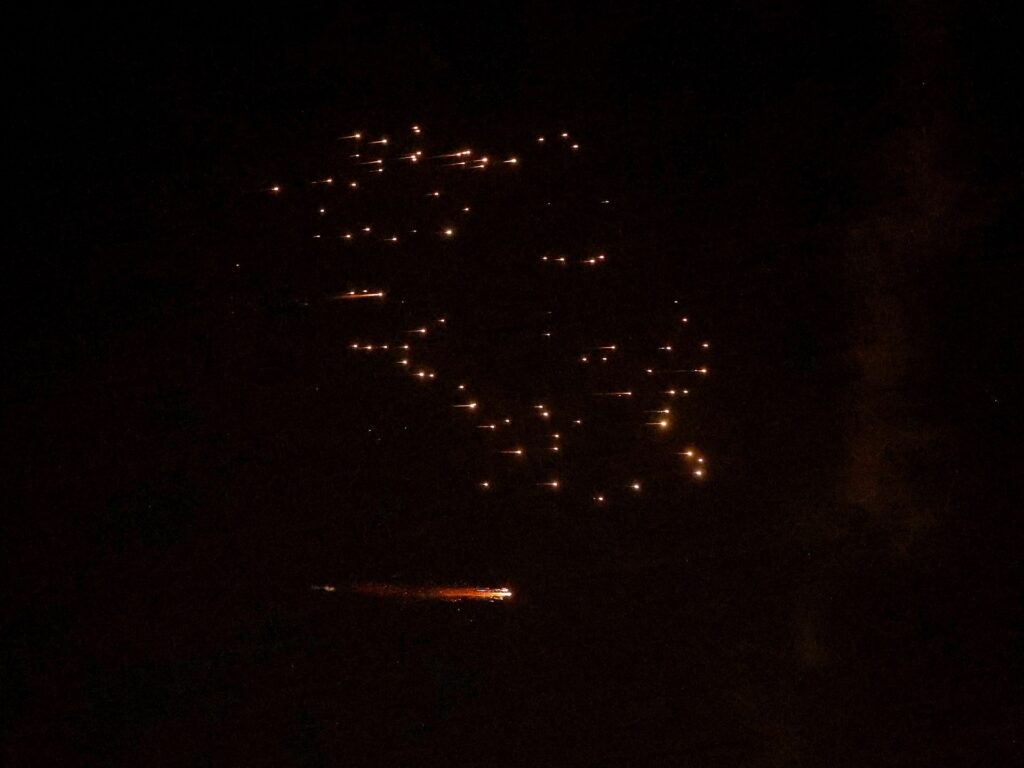
Despite calls from international mediators to deescalate, Iran has accelerated its military readiness and drone deployments, preparing for possible counterstrikes. The government has also mobilized public sentiment, framing the attacks as an assault on Iranian sovereignty and unity.
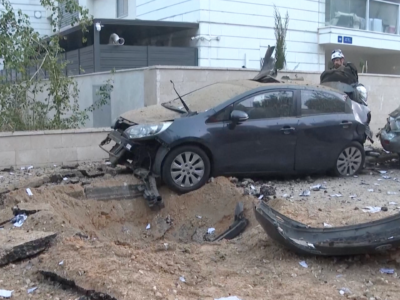
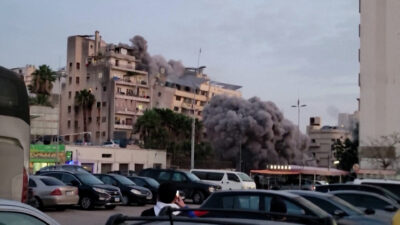
The humanitarian toll continues to mount, with civilians caught in the crossfire amid missile barrages and retaliatory bombings. Human rights organizations have expressed deep concern over potential war crimes and the large-scale displacement of populations in conflict zones.
Diplomatic channels remain active but strained, with the UN and allied nations urging restraint and offering to mediate peace talks. However, with both sides entrenched in their positions, the prospects for a swift resolution appear dim.
As day 19 concludes, the region remains on high alert, with fears that any further escalations could trigger a broader war involving neighboring states and global powers. The US and Israel insist on maintaining pressure on Iran to curb its nuclear agenda and regional influence, while Iran vows to defend its sovereignty and retaliate decisively.
The coming days are critical to determining whether diplomacy can prevail or if the conflict will spiral into a larger and more devastating war. Meanwhile, the world watches anxiously as Iran’s promise of vengeance hangs ominously over the ongoing military confrontations.