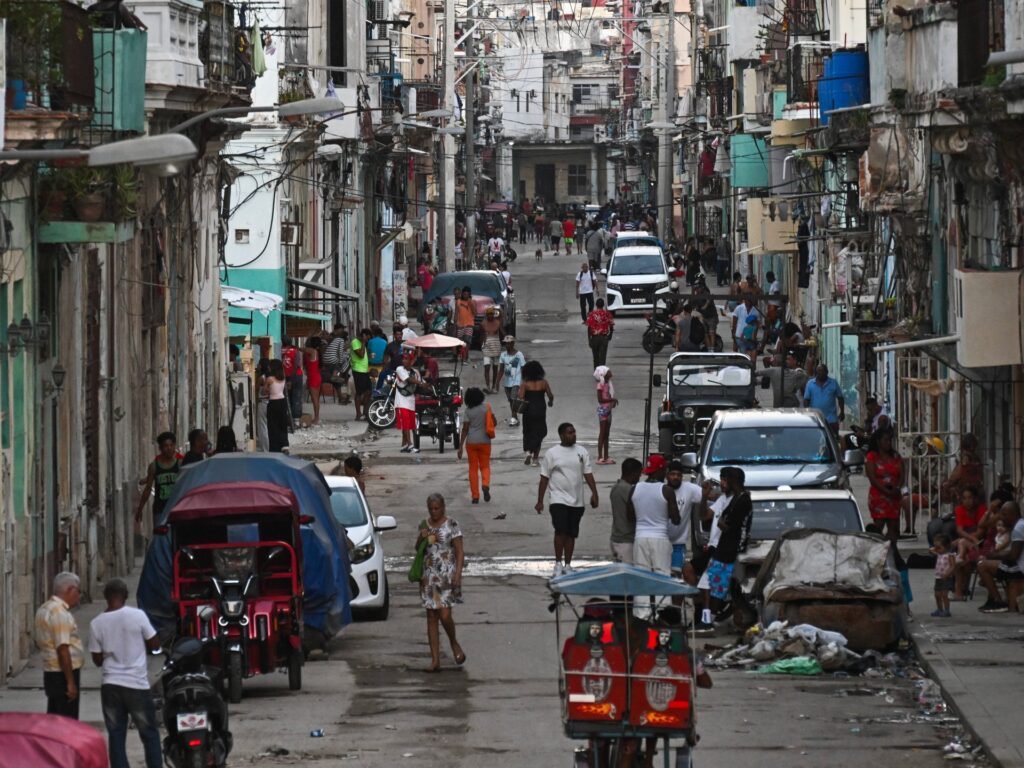
After a significant blackout that plunged Havana and other parts of Cuba into darkness, power supply has slowly started to resume. This partial restoration of electricity is a much-needed relief for residents who have endured long hours without power. The intermittent return of light symbolizes hope for some, but the underlying challenges facing Cuba are far from resolution.
The recent blackout highlighted the fragile state of Cuba’s power infrastructure, which has struggled under the weight of aging facilities and insufficient investment. The power outages exacerbated difficulties for everyday citizens and showcased the vulnerabilities in the country’s energy system. While technicians work tirelessly to bring the lights back, the crisis serves as a reminder that the challenges run deeper than just electricity shortages.
The Cuban government cited multiple factors for the power failure, including problems with power generating plants and fuel shortages. The crisis has been worsened by external pressures, particularly the longstanding strained relations with the United States. Economic sanctions and trade restrictions have significantly limited Cuba’s ability to import necessary fuel and technology for infrastructure maintenance.
This energy crisis is symptomatic of a broader economic and political struggle. Cuba’s centralized economy faces systemic inefficiencies, and recent reforms have yet to generate the desired levels of growth or supply stability. The country’s reliance on imports for fuel and spare parts is a critical vulnerability, especially amid tightening US sanctions.
Beyond energy, Cuba continues to grapple with food and medical shortages, inflation, and a plummeting currency. These economic pressures have spurred negative public sentiment and increased calls for change. Yet, the government remains firm in its stance against the United States and has called for international solidarity to address what it describes as a blockade.
The crisis has also influenced Cuba’s diplomatic efforts. Havana has sought to diversify its international partnerships, turning to countries like China, Russia, and Venezuela for economic and political support. These alliances aim to offset the impact of US sanctions and provide some relief to the struggling economy.
Meanwhile, ordinary Cubans are caught in the middle, facing daily hardships that affect their quality of life. Many have resorted to rationing electricity and resources while adapting to frequent blackouts. The slow return of power to Havana and other regions is a positive step but underscores the urgent need for sustainable solutions.
Experts warn that unless Cuba can undertake significant reforms and improve its relations with the international community, these crises will persist. Power and infrastructure projects need substantial funding and modernization, which requires open economic policies and foreign investment.
In conclusion, while the resumption of electricity in Havana brings a glimmer of hope, Cuba’s more profound systemic challenges remain unresolved. The country’s long-term recovery hinges on addressing both its internal economic issues and its complicated foreign relations, particularly with the United States. Until then, the lights may flicker on the surface, but the shadows of the crisis continue to loom large over Cuba’s future.