In a significant escalation of tensions, Iran launched overnight missile strikes targeting areas near Tel Aviv, Israel, resulting in the death of two individuals and widespread damage. The attacks, described by Iranian authorities as acts of ‘revenge,’ have further intensified the already volatile situation in the region.
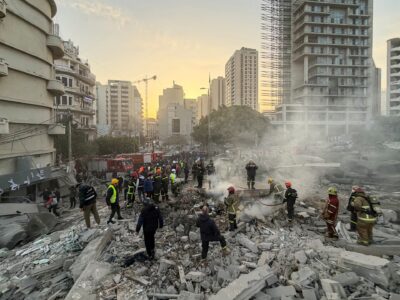
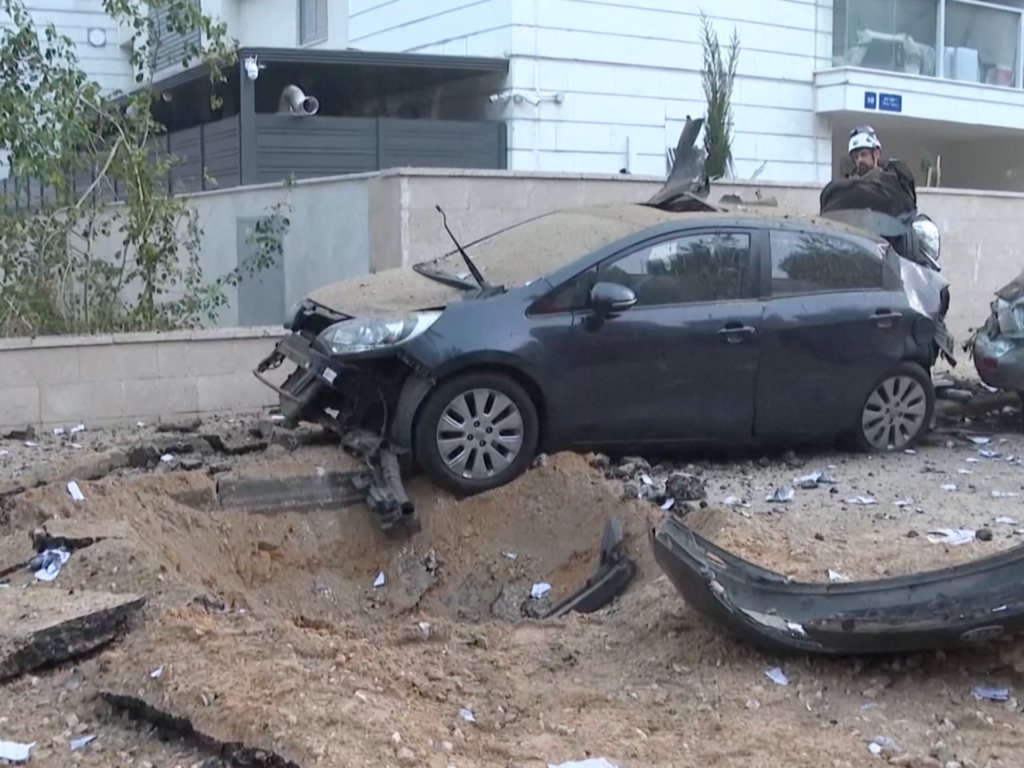
The missile strikes caused severe destruction across several neighborhoods, damaging residential buildings, infrastructure, and commercial properties. Emergency services and rescue teams responded promptly to the affected areas, working tirelessly through the night to assist survivors and manage the aftermath.
According to Israeli officials, the missile attacks were unprecedented in their scale and precision, marking a dangerous moment in Israeli-Iranian relations. These strikes are believed to be in response to previous actions taken by Israel, although the specific incidents prompting this retaliation have not been officially confirmed.
The Israeli government condemned the attacks as acts of aggression and vowed to take all necessary measures to protect its citizens and sovereignty. Security forces have been placed on high alert, and discussions of a possible military response are underway.
International reactions have been swift, with many countries urging restraint and calling for dialogue to prevent further escalation. The United Nations and various diplomatic channels are reportedly engaging with both sides to de-escalate the conflict.
This latest episode highlights the fragile nature of peace in the Middle East and underscores the dangers of continued hostility between Iran and Israel. Civilians in the region face heightened risks, with the prospect of further attacks looming.
The Iranian government, while taking responsibility for the strikes, has emphasized its intention to deter future threats and assert its regional influence. Experts warn that the cycle of retaliation could perpetuate ongoing violence if diplomatic solutions are not pursued urgently.
The aftermath of the missile strikes serves as a stark reminder of the human cost of geopolitical conflicts. Both nations, along with the global community, face the challenge of fostering stability and security in a region long plagued by conflict.
As investigations into the attacks continue, the immediate priority remains humanitarian efforts to aid those affected and to repair the extensive damage inflicted near Tel Aviv. The international community watches closely, hopeful for a peaceful resolution to avert further bloodshed.