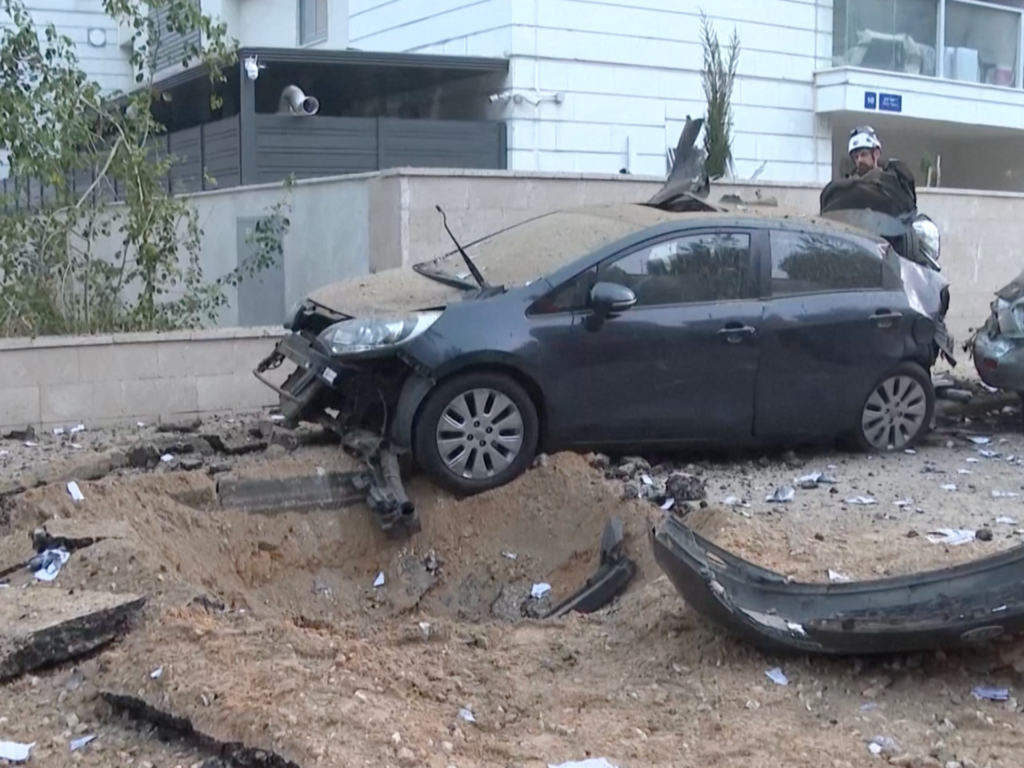
In the wake of intense overnight missile strikes launched by Iran targeting areas near Tel Aviv, widespread destruction has been reported, alongside at least two fatalities. The attacks, labeled by Iranian officials as acts of ‘revenge’ in response to recent escalations, have caused significant damage to infrastructure and residential neighborhoods.
The missiles reportedly struck multiple sites across the area surrounding Tel Aviv, leading to fires and the collapse of several buildings. Emergency response teams rushed to the scenes, working through the night to control fires, rescue survivors, and attend to the injured.
Authorities have confirmed that two people lost their lives as a direct result of the missile impacts, and dozens more have been injured, some critically. Hospitals in the vicinity have been overwhelmed with casualties, prompting officials to declare a state of emergency.
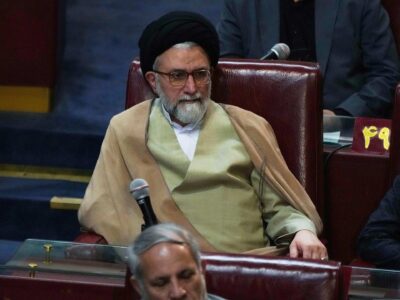
The Iranian government claimed responsibility for the strikes, stating these were acts of retaliation against Israel due to ongoing tensions and recent attacks in the region. Officials described the missile attacks as a clear message of deterrence aimed at preventing further aggression.
In Tel Aviv, residents reported hearing sirens and explosions throughout the night, with many taking shelter in reinforced areas or underground bunkers. The psychological impact on the local population is expected to be profound, as the attack shattered a period of relative calm.
International reactions have been swift, with several countries condemning the missile attacks and urging both sides to de-escalate tensions to avoid further conflict. The United Nations has called for an immediate ceasefire and a return to diplomatic negotiations.
The Israeli government has vowed to respond firmly to the missile strikes, emphasizing the country’s right to defend itself against attacks. Military spokespersons indicated that measures would be taken to prevent future strikes and to hold those responsible accountable.
This attack adds to a growing cycle of violence in the Middle East, where retaliatory actions have been escalating in recent months. The delicate balance in the region faces new challenges as both Israel and Iran continue to engage in hostile exchanges.
The aftermath is not only physical but also political, with the strikes influencing international relations and potentially shaping future security policies. The destruction near Tel Aviv serves as a stark reminder of the fragile nature of peace and the high stakes involved in regional conflicts.
As rescue and recovery efforts continue, local communities face the task of rebuilding amidst uncertainty, while global powers watch closely, hoping to mediate a resolution before the situation deteriorates further. The coming days will be critical in determining whether dialogue or further confrontation defines the path ahead.