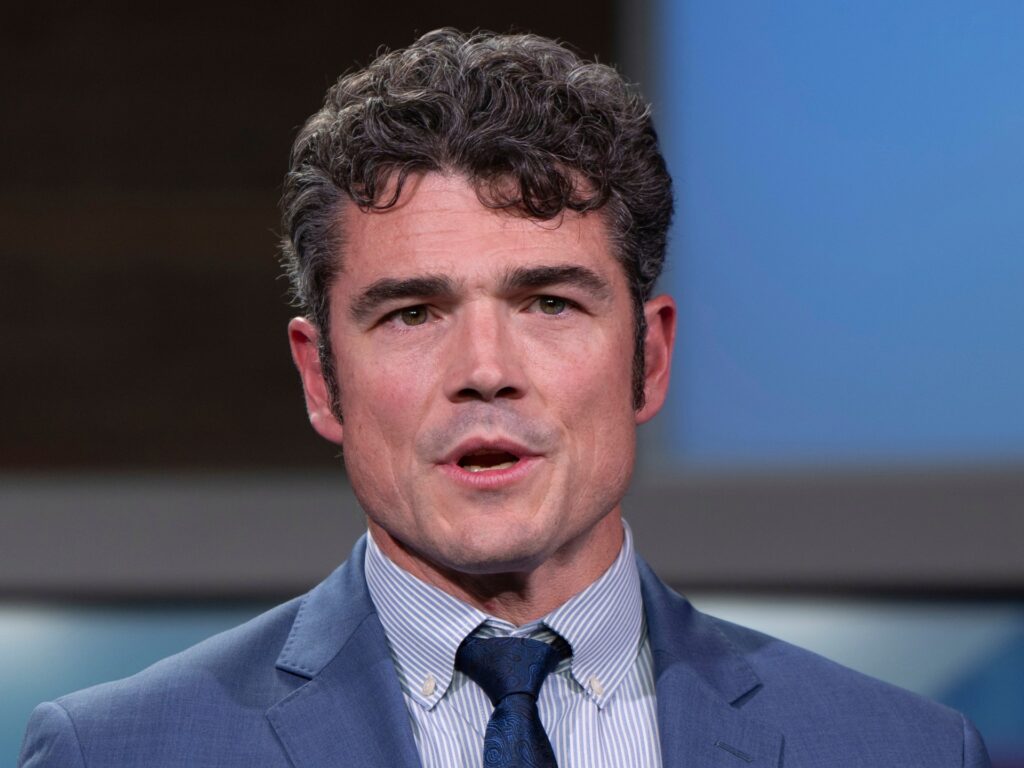
Joe Kent, the director of the US National Counterterrorism Center (NCTC), has resigned from his position amid tensions related to Iran. Kent, who has previously advised former President Donald Trump and the national intelligence director on terrorism threats, stated his resignation was due to disagreements over US policies concerning Iran. He emphasized that Iran did not pose an imminent threat that would justify escalating conflict.
Kent has been a prominent voice in the counterterrorism community, known for his critical assessments of threats posed by foreign adversaries. His resignation underscores growing divisions within the US intelligence and defense community about how to handle Iran and related security concerns.
In his tenure, Kent was deeply involved in analyzing terrorist threats and crafting responses designed to protect US interests. However, his perspective on Iran’s threat level appears to have clashed with prevailing government strategies aimed at containing or countering Tehran’s activities.
The resignation comes at a time of heightened tensions in the Middle East, with ongoing conflicts and diplomatic strains involving Iran, the US, and their respective allies. Kent’s departure signals potential challenges in forming a unified approach to counterterrorism and national security.
Critics of US policy towards Iran have argued that the threat from Iranian activities is often exaggerated, leading to unnecessary military buildups and confrontations. Kent’s public statement that Iran “posed no imminent threat” aligns with this viewpoint and adds weight to calls for diplomatic engagement rather than military escalation.
The exact circumstances of Kent’s resignation have not been fully disclosed, but sources suggest it centered on fundamental disagreements over threat assessments and policy directions. His decision to step down reflects a broader debate within US security circles about the best way to safeguard national interests in an increasingly complex geopolitical landscape.
National security experts are watching closely to see how Kent’s resignation might influence future US counterterrorism strategies. Some fear it could lead to disruptions in continuity and coordination, while others believe it could prompt needed reassessments of threat priorities.
As the US continues to navigate its relationship with Iran and address evolving global security challenges, the resignation of a key figure like Kent highlights the importance of clear, evidence-based threat analysis. The situation underscores the intricate balance between maintaining vigilance and avoiding unnecessary conflict.
Kent’s career has been marked by dedication to national security and a commitment to providing accurate intelligence. His departure raises questions about the pressures faced by intelligence professionals when their assessments diverge from political or strategic objectives.
The National Counterterrorism Center will likely seek a successor who can bridge the gap between intelligence insights and policy implementation, ensuring that the US maintains robust counterterrorism capabilities. Meanwhile, the debate over Iran’s threat level and appropriate US responses is expected to continue shaping policy discussions in Washington and beyond.