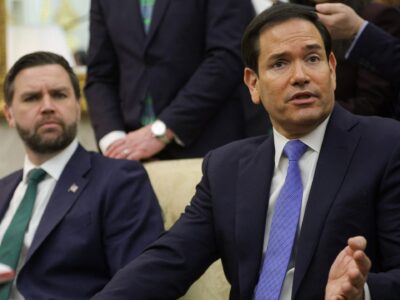
US Attorney General Pam Bondi has been subpoenaed to appear before Congress as part of the ongoing investigation into the Jeffrey Epstein case. The subpoena compels Bondi to provide testimony and documents related to the Trump administration’s adherence to the Epstein Files Transparency Act. The act was designed to ensure increased transparency and accountability regarding the handling of files and information linked to Jeffrey Epstein, who was a convicted sex offender with alleged connections to several prominent figures.
Bondi’s testimony is scheduled for April, marking a significant development in the congressional inquiry. This move underscores the seriousness with which lawmakers are pursuing clarity on how Epstein-related documents have been managed and released, and whether any actions by the Trump administration might have obstructed or delayed access to critical information.
The Epstein Files Transparency Act was enacted amid mounting public and political pressure to unveil the extent of Epstein’s network and any potential cover-ups that might have shielded high-profile individuals from scrutiny. Congress seeks to establish a clear record of compliance by the Justice Department and other related agencies.
Pam Bondi’s role as Attorney General came under particular focus given her previous public statements and the department’s actions during her tenure. Lawmakers are interested in understanding the scope of the administration’s cooperation with investigative bodies, the completeness of file disclosures, and any internal directives that might have influenced information flow.
Legal experts note that the subpoena indicates legislators’ intent to hold officials accountable and is a part of broader efforts to reform government transparency protocols in sensitive cases. Bondi’s cooperation is vital to ensuring that Congress obtains all necessary materials to assess compliance with the act.
In addition to reviewing the handling of Epstein files, the congressional probe will examine the systemic weaknesses that allowed such cases to be mishandled in the past. This includes scrutiny of policies within the Department of Justice concerning classified or sensitive information related to high-profile criminal investigations.
The inquiry is expected to remain a contentious issue, with political ramifications extending beyond the immediate scope of the Epstein case. Both supporters and critics of the Trump administration will likely watch Bondi’s testimony closely, as it could reveal insights into the government’s approach to transparency and accountability.
As the April hearing approaches, legal analysts are also anticipating potential legal battles over the scope of the subpoena and the extent to which Bondi might assert privilege or other protections. The outcome of these proceedings could set important precedents for congressional oversight powers.
Ultimately, this development highlights the ongoing national concern with the Epstein scandal and its wider implications for justice and governance in the United States. Ensuring that key figures like Pam Bondi are called to account reflects Congress’s commitment to uncovering the full truth behind one of the most high-profile criminal investigations in recent memory.