In a significant strategic move, Ukraine has deployed over 200 military experts to the Gulf region with the aim of countering the growing threat posed by Iranian drones. This deployment comes amid increasing concerns about the collaboration between Moscow and Tehran, which Ukrainian President Volodymyr Zelenskyy has publicly denounced.
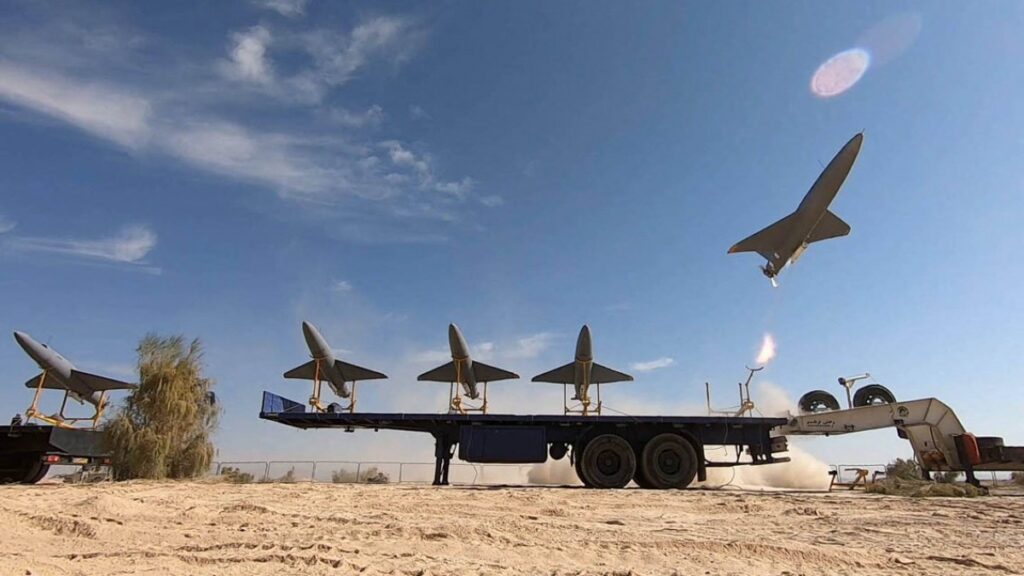
President Zelenskyy has characterized Russia and Iran as “brothers in hatred,” highlighting the two nations’ close ties and collaborative efforts against Ukraine. This alliance is seen as particularly dangerous due to Iran’s provision of unmanned aerial vehicles (UAVs) equipped with Russian components, which have been reportedly used in conflicts involving Ukraine.
The presence of Russian technology in Iranian drones complicates the geopolitical landscape, making Ukrainian military experts’ roles pivotal in the Gulf. Their expertise is crucial in developing countermeasures against these sophisticated UAVs, which have become a significant threat in modern warfare.
The Gulf region’s strategic importance stems from its proximity to several conflict zones and its status as a key hub for military and economic activity. By positioning experts there, Ukraine aims to monitor and neutralize Iranian drone operations before they can be deployed against Ukrainian interests or those of its allies.
This deployment also signifies Ukraine’s proactive approach to international collaboration, seeking to build a network of support in areas beyond its immediate borders. It reflects a broader strategy of confronting the Russian-Iranian alliance on multiple fronts.
Iran’s relationship with Russia has been under scrutiny by Western nations, especially following reports indicating that Tehran supplies drones containing sensitive Russian components. These components potentially enhance the drones’ operational capabilities, making them more lethal and harder to intercept.
Ukraine’s move to station military specialists in the Gulf underscores the urgency and seriousness with which Kyiv views the drone threat. The experts are expected to work closely with regional allies to develop advanced technologies and tactics to detect, disrupt, and destroy hostile UAVs.
President Zelenskyy’s remarks underscore the symbolic and practical dimensions of the Russia-Iran alliance. By calling them “brothers in hatred,” he draws attention to the shared animosity these states exhibit toward Ukraine, and the combined challenge they present on the battlefield.
The international community is watching closely as this development unfolds, recognizing the potential ramifications for regional security and global military dynamics. The enhanced cooperation between Ukraine and partners in the Gulf could serve as a blueprint for countering hybrid warfare tactics that involve state-sponsored drone threats.
As drone warfare evolves, so too does the need for sophisticated counter-drone strategies. Ukraine’s decision to leverage its military expertise in the Gulf region is a testament to this evolving landscape, positioning itself to respond more effectively to emerging security challenges.
In conclusion, Ukraine’s deployment of over 200 military experts to counter Iranian drones equipped with Russian technology marks a significant escalation in the ongoing conflict dynamics involving Russia, Iran, and Ukraine. President Zelenskyy’s pointed condemnation of the Russia-Iran partnership highlights the complex geopolitical adversities Ukraine faces and its commitment to assertively defend its sovereignty and interests on multiple fronts.