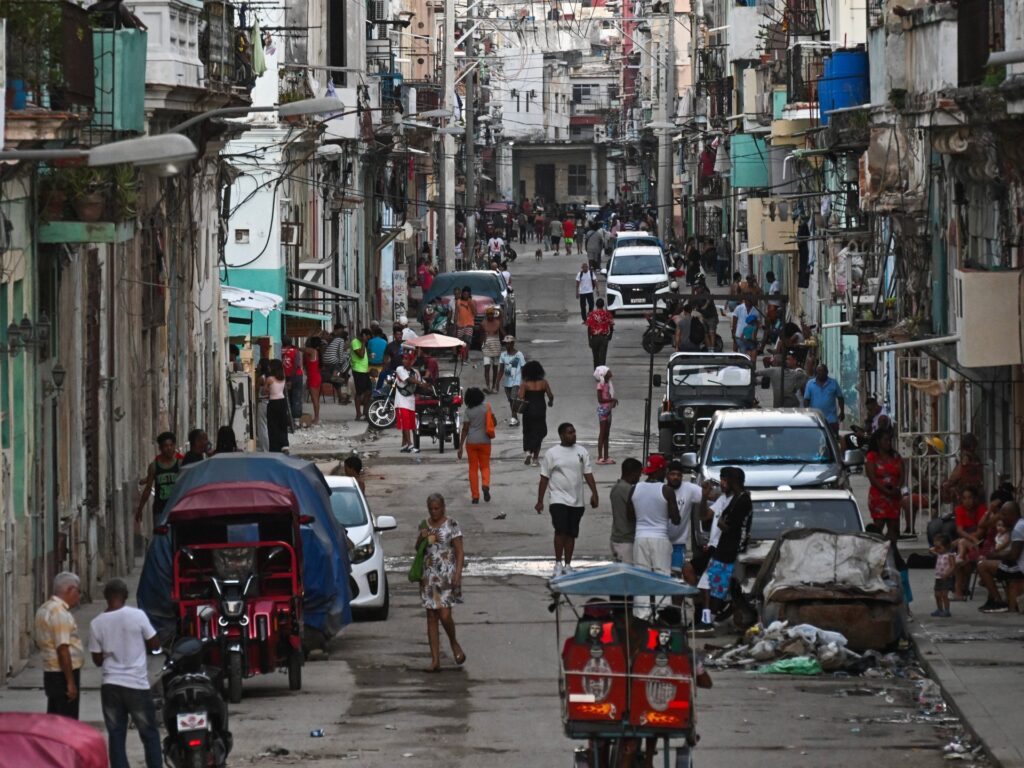
Cuba is currently engulfed in a significant humanitarian crisis marked by a nationwide blackout, as the island has not received oil shipments since early January. The disruption comes amid mounting pressure from the United States, exacerbating the already fragile situation. The blackout has left Cuba grappling with severe power outages affecting homes, businesses, and critical infrastructure, further complicating daily life for millions of Cubans.
The lack of oil supplies is at the heart of the crisis, as the island heavily depends on these shipments to fuel its power plants and transportation sectors. This supply disruption is a direct consequence of tightened US sanctions and geopolitical maneuvers aimed at exerting pressure on the Cuban government.
Adding to the tension, former U.S. President Donald Trump has publicly threatened to ‘take’ Cuba, a statement that has sparked international concern and debate. Trump’s remarks have intensified fears of potential escalations in US-Cuba relations, already strained by decades of political discord and economic embargoes.
Cuba’s government has been struggling to manage the crisis, which has resulted in widespread power shortages, impacting hospitals, schools, businesses, and daily household activities. The blackout has also disrupted water supply systems and telecommunications, making it difficult for residents to access essential services or communicate effectively.
Humanitarian organizations have reported a worsening situation on the ground, highlighting increased challenges in delivering aid and support to vulnerable populations. Many Cubans are facing difficulties obtaining food, medicine, and basic necessities due to interrupted supply chains and reduced mobility.
The international community is closely watching the developments in Cuba, with various countries calling for dialogue and peaceful resolution to the crisis. The situation underscores the broader implications of geopolitical conflicts on vulnerable populations, raising questions about the efficacy and humanitarian impact of economic sanctions and aggressive foreign policies.
Cuban officials have urged international actors to reconsider the sanctions and called for cooperation to alleviate the suffering of the Cuban people. Meanwhile, local communities are organizing efforts to cope with the blackout, including the use of alternative energy sources and community support networks.
The crisis in Cuba highlights the complex interplay of international politics, economic sanctions, and human welfare. As the island nation navigates these challenges, the global community faces the urgent question of how to balance political objectives with the urgent needs of civilians facing severe hardships.
In summary, the ongoing nationwide blackout in Cuba, compounded by halted oil shipments and US sanctions, alongside inflammatory rhetoric from figures like Donald Trump, paints a troubling picture of a nation in crisis. The coming weeks will be critical in determining the humanitarian and political trajectory for Cuba as it struggles to restore stability and meet the basic needs of its population.