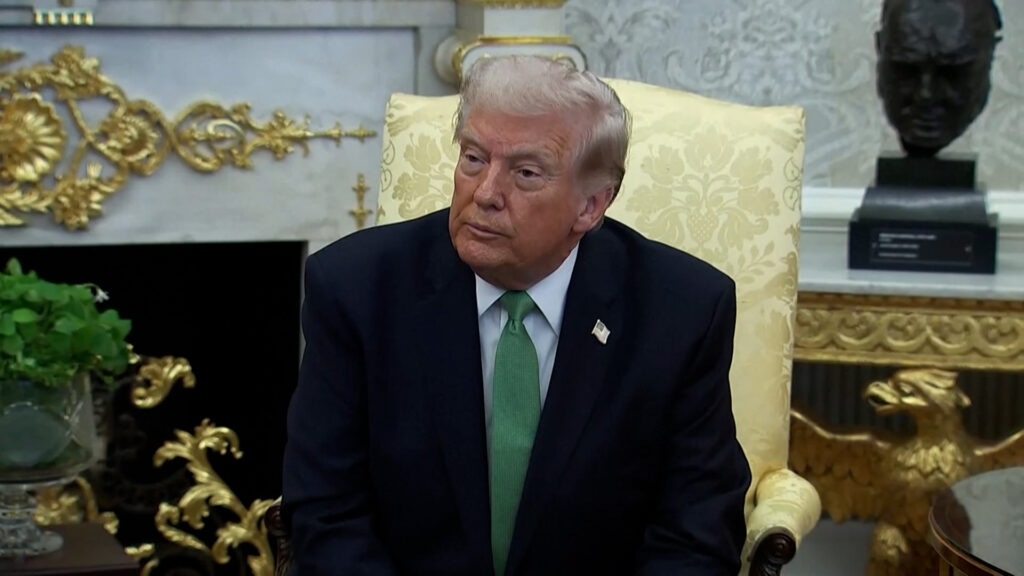
In a recent development, the director of the US National Counterterrorism Center (NCTC), Joe Kent, has resigned from his position. This resignation has drawn reactions from various quarters, including from US President Donald Trump. President Trump described Kent’s resignation as a “good thing.” While specific details about Kent’s reasons for stepping down have not been publicly disclosed, the resignation reportedly stems from disagreements related to US policy toward Iran. Joe Kent, known for his views on counterterrorism, has maintained a critical stance on how the US administration has handled issues concerning Iran. The National Counterterrorism Center plays a pivotal role in coordinating intelligence and counterterrorism efforts across multiple agencies, focusing on threats both domestic and international. Trump’s comment suggests an alignment with or approval of the stance that led to Kent’s departure, reflecting ongoing tensions within government circles regarding approaches to dealing with Iran’s influence and activities. This incident highlights the broader challenges faced by US policymakers in balancing national security interests with diplomatic strategies in the Middle East. Experts note that internal differences on managing Iran’s nuclear ambitions and regional actions continue to provoke debates among America’s security and intelligence community. Kent’s resignation may signal deeper divides within the US intelligence apparatus and could influence future counterterrorism and foreign policies. Observers will be watching closely to see how the Biden administration addresses these internal conflicts and whether a new director with a differing perspective will be appointed to steer the NCTC. Meanwhile, Trump’s public approval of the resignation could factor into ongoing political discourse as debates about the US approach to Iran remain highly contentious. The resignation comes at a time of heightened tensions in the region, with recent escalations between Iran and US interests underscoring the fragile security environment. Analysts emphasize that such leadership changes within key national security institutions can have significant implications for the coordination and effectiveness of counterterrorism initiatives. The US government continues to face complex challenges in tackling threats emanating from groups affiliated with or supported by Iran, making the role of NCTC more crucial than ever. As the situation evolves, the administration’s next steps in appointing a new counterterrorism director will be closely scrutinized for signals on the future trajectory of US policy toward Iran and counterterrorism strategy. The resignation and Trump’s response form part of a larger narrative about the US’s internal and external challenges in maintaining security and managing international relations amid ongoing geopolitical tensions.