South Africa’s fruit export industry is grappling with significant challenges as the ongoing US-Israel conflict with Iran enters its fourth week, causing widespread disruption to shipping routes and delaying deliveries. The geopolitical tensions in the Middle East have resulted in logistical bottlenecks that are severely impacting the timely transportation of South African fruit to key global markets.
The fruit exporting sector in South Africa is a vital part of the country’s economy, supporting thousands of jobs and generating substantial revenue. However, exporters are now facing mounting financial losses due to increased shipping times, higher freight costs, and unpredictable supply chain interruptions caused by the war.
Shipping companies are rerouting vessels to avoid conflict zones, which has led to delays as ships take longer routes around the Middle East. Additionally, insurance premiums for cargo passing through affected areas have escalated, further driving up export costs. These factors combine to threaten the competitiveness of South African fruit in international markets.
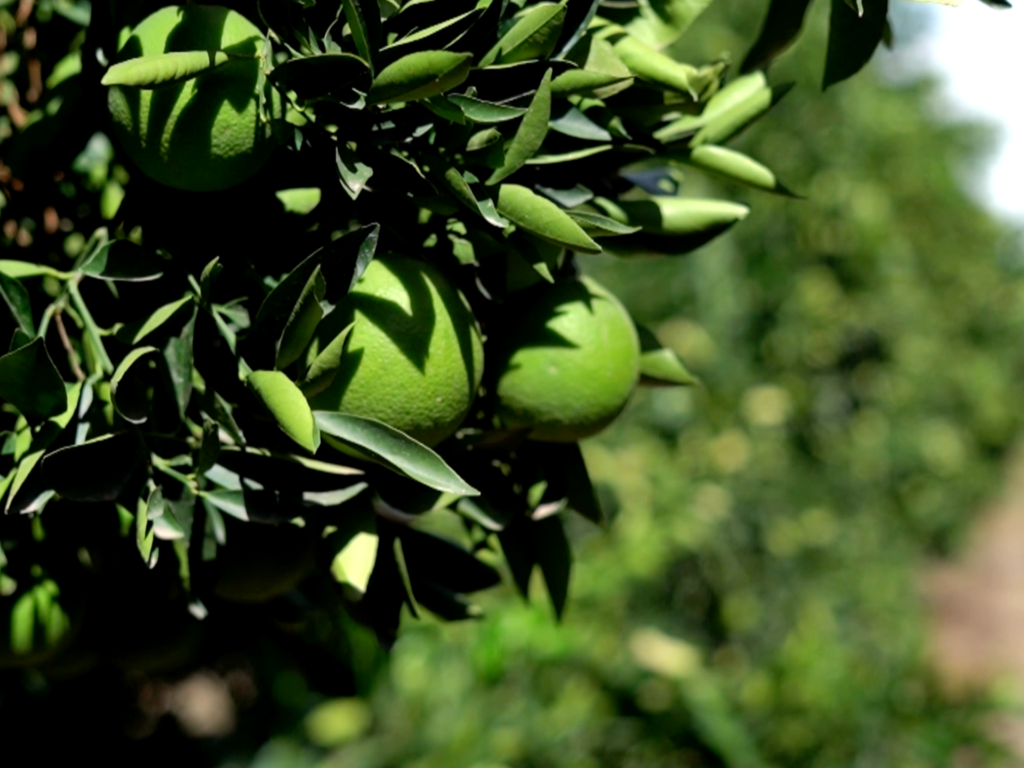
Exporters report that perishable products such as citrus, grapes, and deciduous fruits are particularly vulnerable to delays. Extended transit times result in decreased freshness and quality, undermining the fruits’ market value and consumer appeal. Consequently, buyers are becoming hesitant, opting for alternative suppliers or demanding price reductions to offset the risks.
The South African government and industry bodies are closely monitoring the situation, working to negotiate alternate shipping solutions and assistance programs for affected exporters. There are ongoing discussions about enhancing port capacities and exploring new trade routes to mitigate the impact of disruptions in the Middle East.
Industry experts warn that if the conflict persists, the cumulative economic consequences could be severe, with potential job losses in the agricultural sector and reduced foreign exchange earnings from exports. The urgency to find resilient logistical solutions is critical to maintaining South Africa’s standing as a reliable global fruit supplier.
Despite the challenges, exporters remain hopeful that diplomatic efforts will soon ease tensions, allowing maritime trade to return to normalcy. In the meantime, they are prioritizing strategic planning, supply chain diversification, and enhanced communication with international buyers to navigate the unpredictable landscape.
This evolving situation highlights the interconnectedness of global trade and the vulnerabilities faced by exporters dependent on stable geopolitical conditions. The South African fruit export sector’s experience serves as a reminder of the broader implications that regional conflicts can have on international commerce and food supply chains.