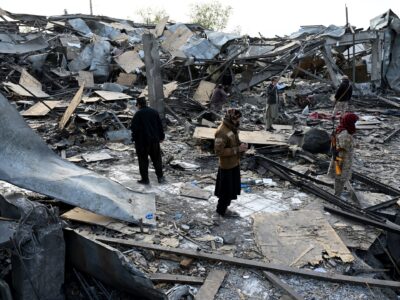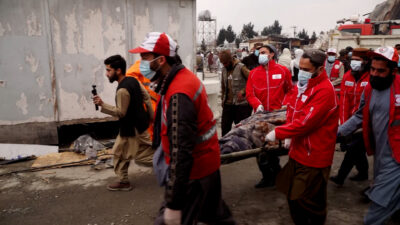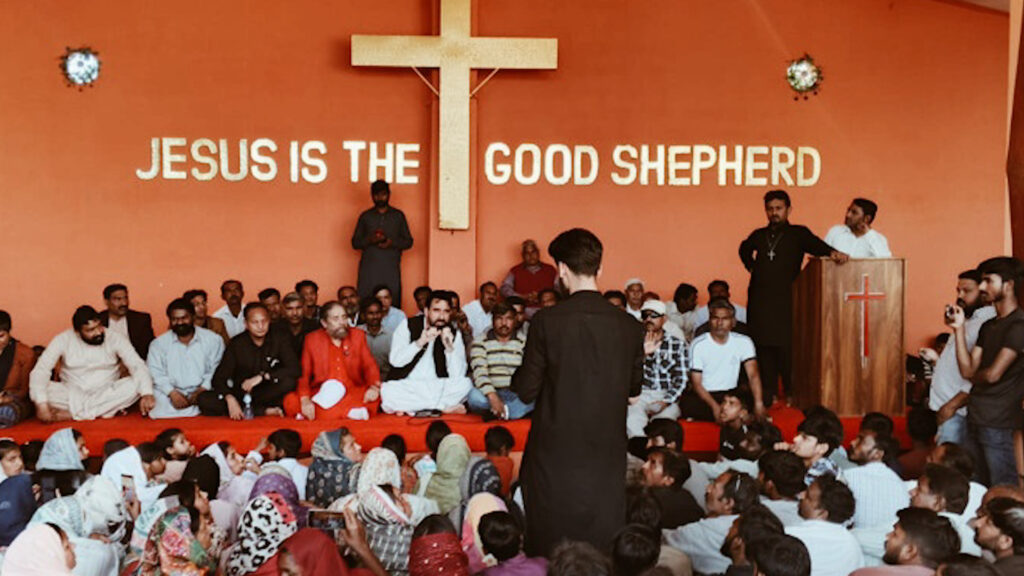
In Islamabad, the capital of Pakistan, thousands of Christian residents are facing mass eviction, raising significant concerns over human rights and religious discrimination. The eviction campaign has seen widespread implementation in various Christian neighborhoods, displacing families and disrupting their lives. Many of those affected allege that the evictions are a direct result of religious intolerance and discriminatory policies targeting minority communities.
The government’s justification for the evictions centers around claims of unauthorized settlements and the need for urban development. However, critics argue this rationale masks deeper socio-political motives, as Christian communities often reside in designated urban areas with limited housing options. The sudden removal has led to a humanitarian crisis, with displaced families struggling to find shelter and basic amenities.
Local advocacy groups and international organizations have condemned the evictions, calling for immediate government intervention to halt the process and address the plight of the affected Christians. Human rights activists emphasize the need for inclusive policies that protect minority rights and ensure equitable access to housing.
The situation in Islamabad mirrors a broader pattern of challenges faced by religious minorities in Pakistan, who frequently encounter systemic discrimination and socio-economic marginalization. The eviction campaign puts a spotlight on these issues, prompting calls for reform and greater protection under the law.
As the evictions continue, there is increasing concern over the long-term impact on the Christian community’s social fabric, livelihoods, and overall well-being. Advocacy groups are urging the Pakistani government to engage in dialogue with affected communities to find sustainable solutions that respect their rights.
This development has drawn attention from international human rights bodies and foreign governments, urging Pakistan to uphold its constitutional guarantees of equality and religious freedom. The unfolding crisis serves as a crucial test of Pakistan’s commitment to minority rights and social justice in an era where global awareness of ethnic and religious persecution is heightened.
Efforts are underway to document the impact of the evictions, provide legal aid to displaced families, and mobilize resources for emergency relief. The situation remains fluid, with ongoing developments expected as stakeholders seek to address this pressing humanitarian issue.
The mass eviction of Christians in Islamabad highlights the urgent need for policy reforms and greater societal acceptance of religious diversity within Pakistan. Without such changes, the cycle of displacement and discrimination is likely to persist, undermining the country’s social cohesion and international reputation.
This crisis underscores the vital importance of protecting the rights of all citizens, regardless of their faith or background, to ensure a just and inclusive society in Pakistan.