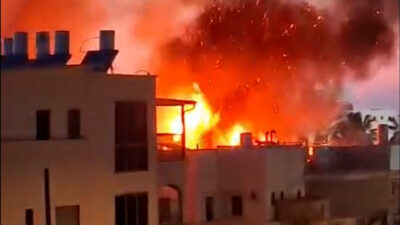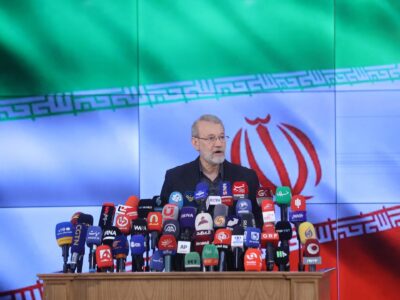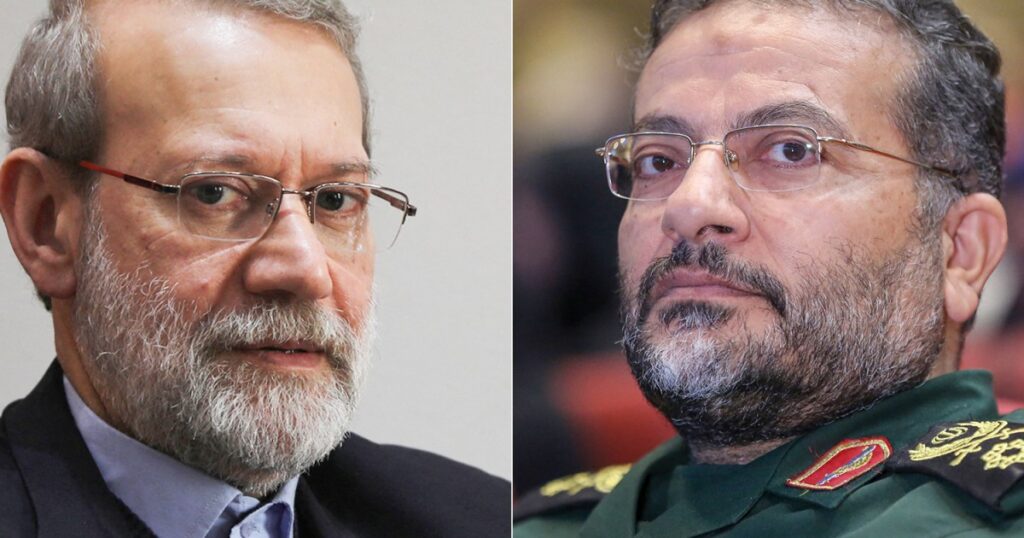
In a significant development escalating tensions in the Middle East, Israel’s Defense Minister Yoav Katz has announced the assassination of a top Iranian security official, Ali Larijani, who also served as the Basij commander. This claim, if confirmed, represents a major escalation between the two nations, which have a long history of animosity and proxy conflicts.
Larijani, regarded as one of Iran’s most influential security chiefs, played a critical role in the country’s internal security apparatus and its strategic operations in the region. The Basij, a paramilitary volunteer militia under the Islamic Revolutionary Guard Corps (IRGC), has been instrumental in enforcing domestic control and expanding Iran’s influence abroad.
The circumstances surrounding Larijani’s death remain unclear, with Israeli officials withholding detailed information on how the assassination occurred or where it took place. The Israeli government, however, emphasized the operation as part of its ongoing efforts to curb Iran’s regional ambitions and prevent it from developing nuclear weapons.
This announcement comes amid heightened regional instability, with Israel and Iran involved in a shadow war marked by cyber attacks, covert operations, and support for opposing factions in conflicts across Syria, Lebanon, and Iraq. Analysts believe Larijani’s assassination could trigger retaliation from Iran or escalate tensions further.
International reactions have been mixed, with some countries expressing concern over the potential for increased volatility and others calling for restraint to avoid broader conflict. The United Nations and several global powers have urged both Israel and Iran to exercise caution and engage in diplomatic dialogue.
Iran has not yet officially confirmed or denied the reports of Larijani’s death, but sources close to the Iranian government have described the claims as “false and baseless propaganda” aimed at destabilizing the region. In contrast, Israeli officials have reiterated their commitment to safeguarding national security and neutralizing threats posed by Iran.
Experts warn that the assassination could complicate already fragile peace efforts and may destabilize alliances and proxy relationships in the Middle East. The potential for retaliatory attacks against Israeli or Western interests in the region could increase, leading to a dangerous cycle of violence.
The international community is closely monitoring the situation, with intelligence agencies working to verify the claims and assess possible repercussions. Diplomatic channels are reportedly being activated to prevent further escalation.
In summary, the reported killing of Ali Larijani by Israeli forces marks a critical moment in the ongoing conflict between Israel and Iran. The long-term effects of this act remain uncertain, but it underscores the persistent volatility and high stakes in one of the world’s most volatile regions.