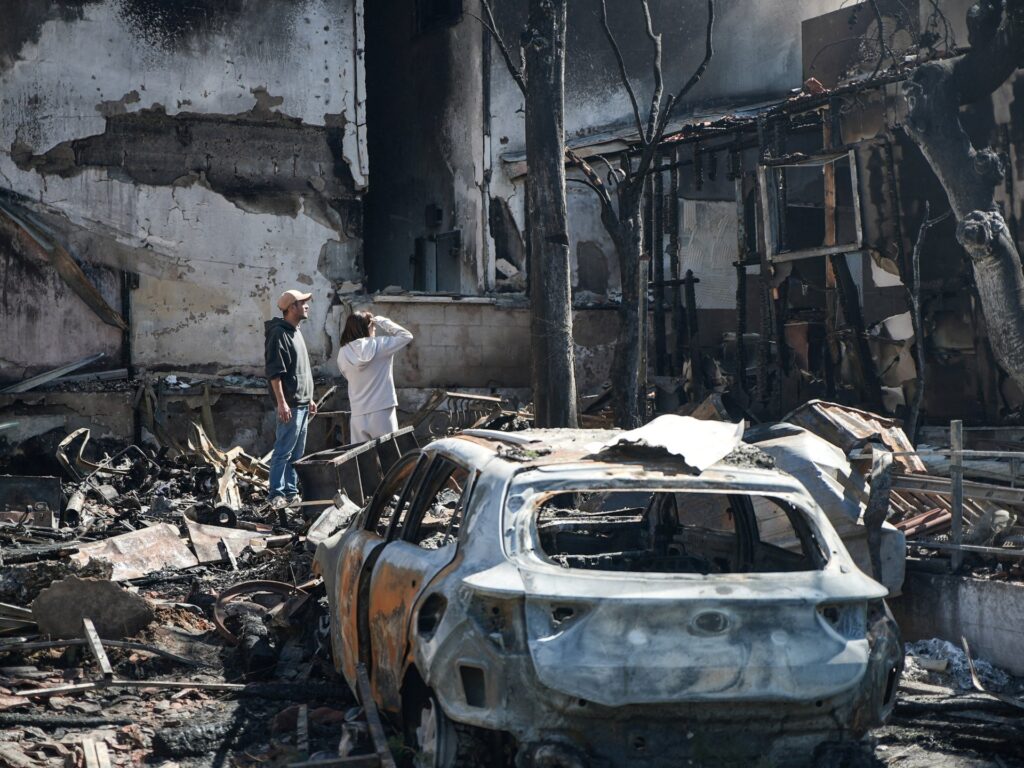
In a significant escalation of regional tensions, Iran has launched a series of attacks against Israel, resulting in the deaths of two individuals. The strikes come amid heightened unrest and losses in the Iranian leadership, with Tehran mourning the deaths of prominent figures, including Larijani and Soleimani.
The conflict marks a stark increase in hostilities between the two nations, further complicated by responses from several Gulf states. Bahrain, Qatar, the United Arab Emirates (UAE), and Saudi Arabia have reportedly intercepted multiple missiles and drones targeting their territories or assets. These interceptions highlight the broader regional implications of the conflict, as neighboring countries seek to prevent spillover effects.
Iran’s military actions are seen as retaliation and part of a broader strategic posture against Israel, emphasizing Tehran’s continued commitment to confront its adversarial relationships in the Middle East. The attacks using advanced missile and drone technology underscore the evolving nature of warfare in the region.
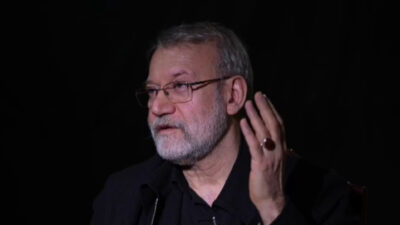
Meanwhile, the Iranian capital, Tehran, has entered a period of mourning following the deaths of Ali Larijani, a key political figure, and Qassem Soleimani, a legendary Iranian military commander known for his role in regional conflicts and Iran’s military strategy.
The exact circumstances around the deaths of Larijani and Soleimani remain a subject of intense speculation and mourning across Iran. Their leadership and influence were significant in shaping Iran’s domestic and foreign policies, particularly concerning relations with Israel and Western powers.
The conflict’s escalation has raised concerns across international communities about the potential for broader conflict and destabilization in the Middle East. The involvement of Gulf Cooperation Council (GCC) nations in intercepting aerial threats reflects a precarious security environment and the risk of the conflict expanding beyond Iran and Israel.
International diplomatic efforts continue to urge for de-escalation and dialogue, but the current trajectory suggests a period of sustained tension with potential for further violent engagements.
Analysts point to the complex interplay of regional politics, sectarian divides, and external powers as factors contributing to the ongoing volatility. The deaths of key leaders like Larijani and Soleimani may also lead to shifts within Iran’s political landscape, affecting future policymaking and military strategies.
The situation remains fluid, with both military and political developments expected in the coming days. The international community watches closely as regional powers navigate a path that risks plunging the Middle East into deeper conflict.
This intensifying conflict underscores the fragile nature of peace and security in the region, highlighting the critical need for careful diplomacy and conflict resolution efforts to prevent further loss of life and stabilize the geopolitical environment.