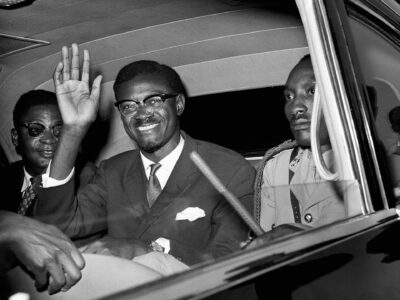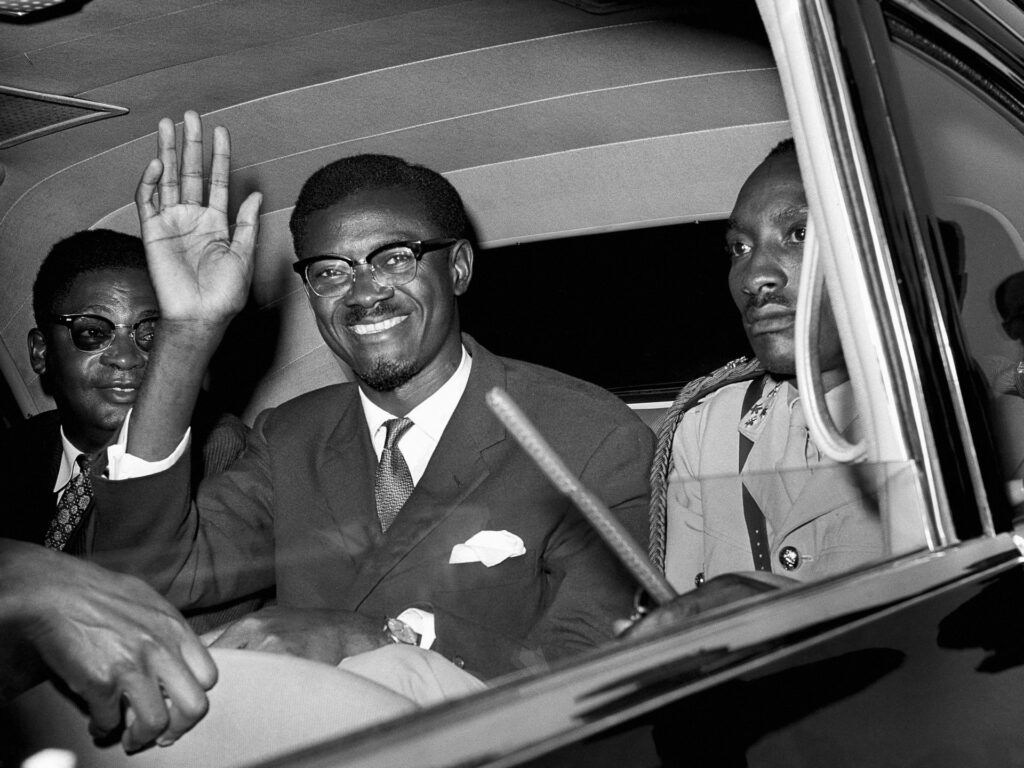
In a significant development linked to a dark chapter in African and European colonial history, Etienne Davignon, a former Belgian diplomat aged 93, has been ordered to stand trial in connection with the murder of Patrice Lumumba, Congo’s first democratically elected prime minister. Lumumba is a revered figure in Congolese history, symbolizing the struggle for independence and national dignity. His assassination in 1961 left a lasting scar on the Democratic Republic of Congo and its people.
Davignon is the only living individual among ten Belgians accused by Lumumba’s family of complicity in the murder. The move to bring Davignon to trial highlights ongoing efforts to address historical injustices and seek accountability for acts committed during the era of decolonization.
Patrice Lumumba was a prominent nationalist leader who played a pivotal role in Congo’s independence from Belgian rule. His brief tenure as prime minister was marked by political turmoil and external interference, which culminated in his tragic assassination. Belgian involvement in the plot to kill Lumumba has long been suspected, with allegations pointing to official complicity or tacit approval.
The prosecution of Davignon reflects intensified scrutiny of colonial-era crimes and the demand for justice by the Congolese people and Lumumba’s descendants. At 93 years old, Davignon’s trial is expected to revisit the complex web of diplomatic, political, and covert actions that surrounded Lumumba’s demise.
This case is not only about one man’s alleged involvement but also represents a broader reckoning with Belgium’s colonial past. The trial is likely to explore the roles played by various Belgian officials and agencies during the early 1960s when Congo was emerging as an independent nation.
Lumumba’s family has been a vocal advocate for truth and reconciliation, emphasizing the importance of transparency and accountability to heal historical wounds. Their pursuit of justice has gained international attention and has put pressure on Belgium to confront its colonial legacy more openly.
The trial could also set a precedent for other cases involving historical crimes linked to colonial powers and their former colonies. It underscores the increasing importance of international law and human rights principles in addressing past atrocities.
As the world watches this unprecedented legal process, many hope that justice for Lumumba will provide a measure of closure for his family and for Congo’s people. It also serves as a reminder of the enduring impact of colonialism and the unresolved issues that continue to affect post-colonial societies.
In summary, the decision to try Etienne Davignon signals a momentous step towards addressing one of the most painful episodes in Congo’s history. It shines a light on the complexities of transitional justice and the importance of reckoning with the past to build a fairer future. This trial promises to bring to the forefront the need for dialogue, accountability, and reconciliation between Belgium and Congo, fostering greater understanding and cooperation between the two countries.