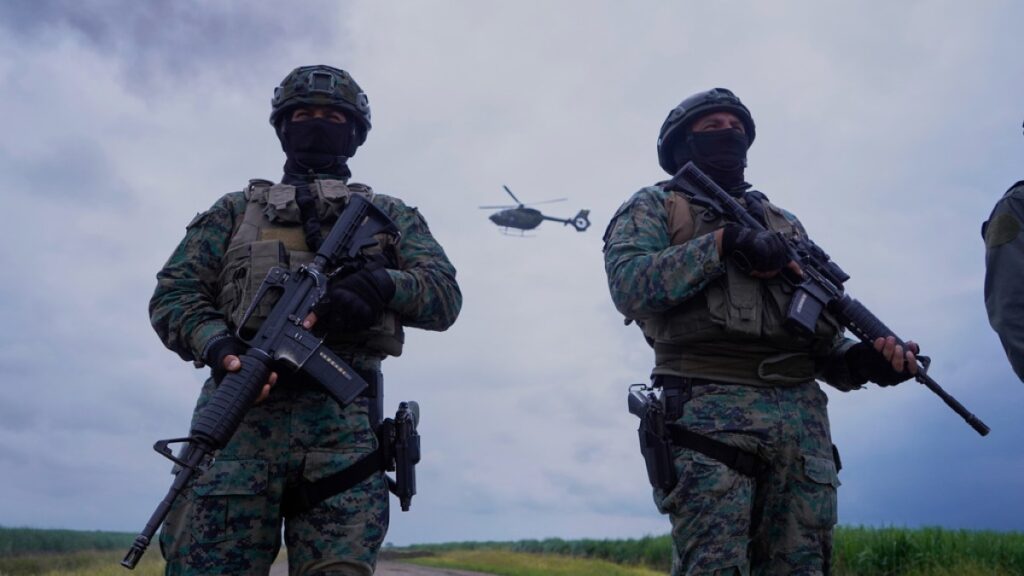
Tensions between Colombia and Ecuador have escalated following serious accusations from Colombian President Gustavo Petro. Petro claimed that a bombing near the border resulted in the tragic discovery of 27 charred bodies in the region, igniting a fierce exchange of allegations between the two countries’ leaders.
The incident reportedly took place along the often-volatile Colombia-Ecuador border, a region known for its complex security challenges due to the presence of various armed groups and illicit activities. President Petro’s accusation marked a significant escalation in diplomatic tensions, with Colombia condemning the attack as a grave violation of sovereignty and human rights.
In response, Ecuadorian officials have denied responsibility for the bombing, calling for a thorough and impartial investigation into the incident to clarify what transpired. Ecuador’s leadership rejected the accusations as unfounded, urging for dialogue and cooperation to prevent further deterioration in bilateral relations.
The border between Colombia and Ecuador has long been a hotspot of conflict, complicated by the activities of guerrillas, smugglers, and other criminal organizations exploiting the rugged terrain. Both countries have historically struggled to maintain security and order along the border, despite ongoing efforts to strengthen cooperation and joint operations.
President Petro’s announcement about the 27 charred bodies has stirred significant public concern and international attention, prompting calls from human rights organizations for accountability and justice. The discovery was made during a recent patrol near the border, which led Colombian authorities to raise alarms about the rising violence in the area.
Diplomatic channels between Colombia and Ecuador are reportedly active as both sides seek to manage the fallout from the incident. Mediation by regional organizations and international observers may be necessary to deescalate tensions and facilitate an objective inquiry.
Analysts warn that continued accusations and mistrust could undermine regional stability, affect economic ties, and hamper cooperative efforts to combat organized crime. They advocate for transparent investigations and renewed commitments to cross-border collaboration to ensure peace and security.
The international community has expressed concern over the development, emphasizing the need for restraint and constructive dialogue. Both governments are under pressure to uphold human rights standards while addressing the security challenges that plague the border zones.
As the situation unfolds, attention remains focused on how both nations will navigate this diplomatic crisis. The hope is that through cooperation and mutual respect, Colombia and Ecuador can find a path forward that prevents further violence and strengthens their partnership.