As tensions escalate in the ongoing US-Israel war on Iran, the global energy landscape is facing significant challenges. Rising oil prices have become a pressing concern for nations heavily dependent on oil imports, compelling governments and industries to reconsider their energy strategies.
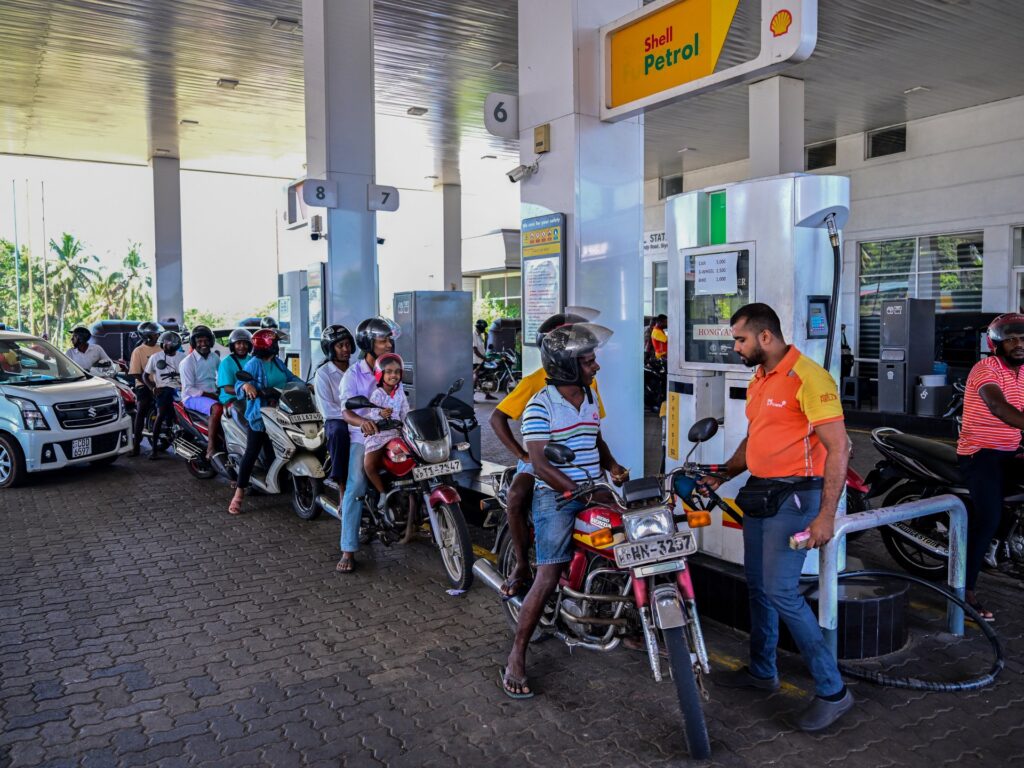
Fuel rationing has emerged as a potential measure to curb consumption. By limiting the amount of fuel available to consumers and businesses, countries aim to reduce overall demand, alleviate pressure on markets, and stabilize prices. This approach, while controversial, draws on past practices during energy crises and wartime shortages, demonstrating a precedent for managing resource scarcity.
Alongside rationing, there is a growing advocacy for remote work policies. The reduction in commuting brought about by telecommuting can significantly decrease fuel consumption by cutting down on transportation needs. This shift not only benefits energy conservation but also aligns with broader trends in flexible work environments accelerated by the pandemic.
Moreover, simple lifestyle changes such as wearing short-sleeved clothing and using air conditioning sparingly are being recommended to lower energy usage in heating and cooling. These adjustments, though minor, collectively contribute to lowering electricity demand, which indirectly affects oil consumption for power generation in some regions.
Energy policymakers are closely monitoring these measures to evaluate their effectiveness in mitigating the impact of soaring oil prices. In addition, investment in alternative energy sources like renewables is gaining momentum, offering a strategic buffer against fossil fuel volatility.
At the same time, international diplomatic efforts continue to seek resolution to the conflict, recognizing the intertwined nature of geopolitics and global energy security. The situation underscores the vulnerability of interconnected economies to regional conflicts that disrupt energy supplies.
In conclusion, while fuel rationing, remote work, and lifestyle modifications present practical responses to current oil woes, long-term solutions hinge on diversifying energy sources and fostering global cooperation. The ongoing conflict serves as a stark reminder of the need for resilience and adaptability in the world’s energy policies.