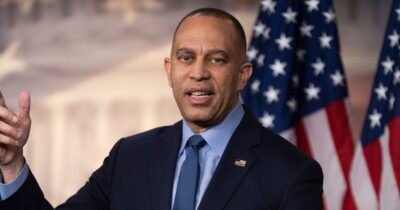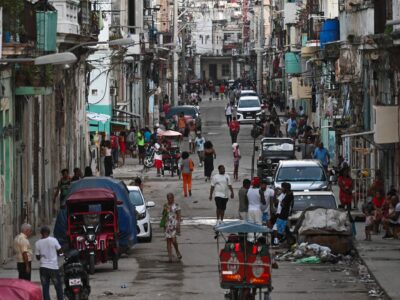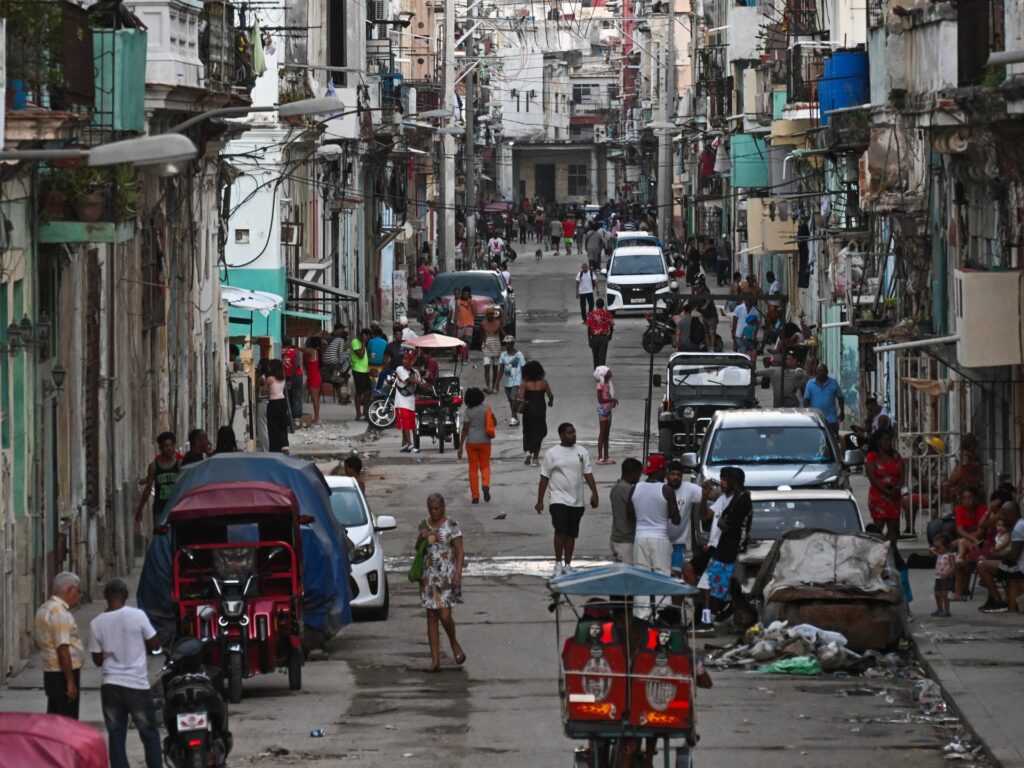
Amid a severe nationwide blackout that has plunged Cuba into darkness, former U.S. President Donald Trump has made a bold declaration to ‘take’ Cuba, escalating tensions surrounding the island nation. This comes at a time when Cuba is experiencing a deepening humanitarian crisis, exacerbated by the absence of critical oil shipments since early January.
The blackout, affecting millions of Cubans, is the latest in a series of hardships for the country already grappling with economic instability and shortages of essential goods. The lack of oil, a vital resource for electricity generation and transportation, has crippled much of the nation’s infrastructure, leading to widespread power outages and disruptions in daily life.
U.S. sanctions have played a significant role in this energy crisis. Since its inception, the embargo has limited Cuba’s ability to engage in international trade, particularly in acquiring fuel. These measures have intensified under the Trump administration, with increased pressure aimed at isolating the Cuban government economically and politically.
Trump’s vow to ‘take’ Cuba highlights a continuation of aggressive rhetoric and policy toward the island. The former president’s comments have sparked international concern, raising fears of potential escalations in U.S.-Cuba relations. The phrase implies a possible intensification of efforts to undermine the Cuban government or influence political change through external intervention.
Cuba’s government has responded by blaming the United States for the humanitarian crisis, citing the sanctions as a blockade that prevents the import of essential supplies. The Cuban leadership stresses the resilience of its people but acknowledges the grave difficulties faced due to the energy shortages and resultant blackouts.
The impact of the blackout extends beyond just inconvenience; hospitals and essential services are operating on limited power, complicating healthcare delivery and emergency responses. Food preservation and water supply systems are also jeopardized, deepening the vulnerability of the Cuban population.
International observers have called for de-escalation and dialogue to address the humanitarian needs of Cuba. They stress the importance of lifting sanctions that hinder the flow of critical goods to the island and encourage diplomatic solutions to ease tensions.
Analysts note that the situation in Cuba is a clear example of how geopolitical strategies and sanctions can have profound effects on a country’s civilian population. The energy crisis on the island is not only a domestic issue but also a subject of international concern as it impacts stability in the region.
As Cuba continues to grapple with the blackouts and their consequences, the urgency for humanitarian assistance and political solutions grows. The international community faces a challenge in balancing geopolitical interests with the urgent need to alleviate suffering and support the Cuban people.
In summary, the vow by Donald Trump to ‘take’ Cuba surfaces at a critical juncture when the island nation is enduring a severe blackout caused by a lack of oil shipments. This confluence of energy shortages, international sanctions, and tense political rhetoric has escalated a humanitarian crisis that demands immediate attention and cooperative global efforts.