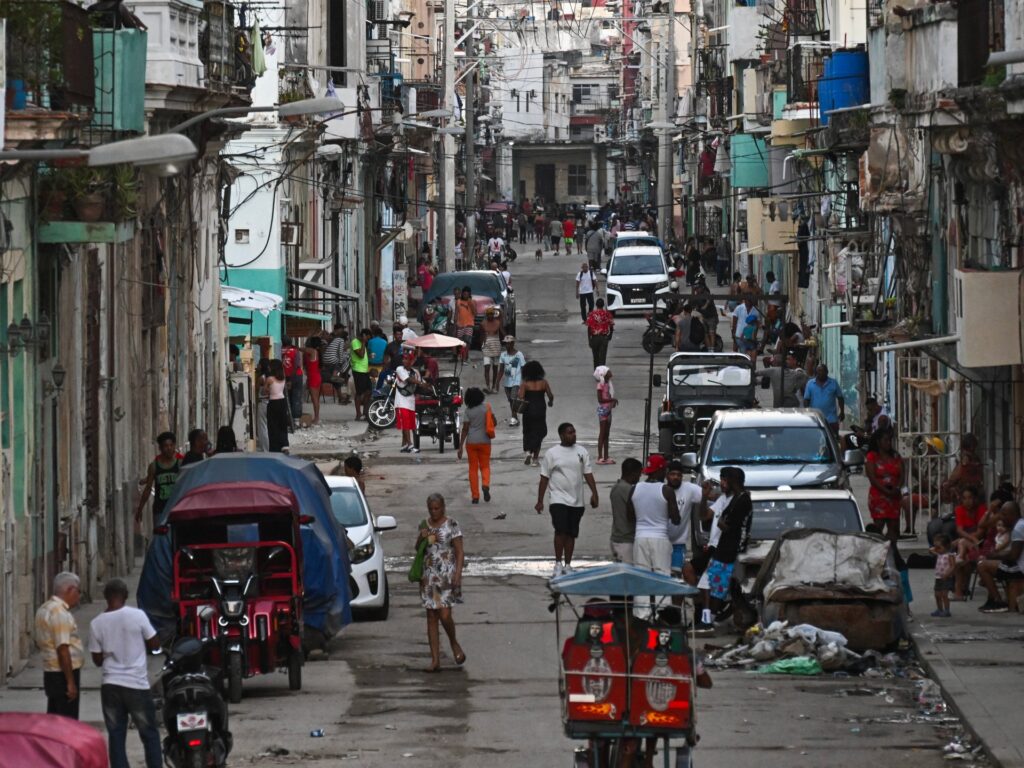
The ongoing power crisis in Cuba has drawn stark international attention, with former U.S. President Donald Trump making a controversial statement threatening to “take” the island amid the escalating humanitarian emergency. Cuba has been grappling with a severe electricity shortage affecting the entire country, disrupting daily life and straining the already fragile infrastructure.
This crisis has unfolded against the backdrop of the island’s long-standing economic challenges, now exacerbated by a halt in vital oil shipments from Venezuela and other sources. Specifically, Cuba has not received any oil shipments since early January, a consequence of increased U.S. sanctions and political pressure aimed at the Cuban government.
The interruption in fuel supplies has critically impacted Cuba’s ability to generate electricity, leading to widespread and prolonged blackouts that affect hospitals, public transportation, water supply systems, and communication networks. Citizens across the nation are enduring daily hardships as they cope with limited access to power, which also threatens food security and public health.
Trump’s inflammatory rhetoric, suggesting a forcible intervention or takeover of the island, has sparked outrage among Cuban officials and international observers. Critics argue that such statements escalate tensions and could undermine diplomatic efforts to address the crisis through dialogue and humanitarian aid.
Experts highlight that the root causes of Cuba’s power crisis are multifaceted, involving both external pressures such as the U.S. embargo, and internal inefficiencies in the energy sector. Since the early days of January, the Cuban government has struggled to stabilize the situation but remains constrained by a lack of resources and international support.
International humanitarian organizations have called for the easing of sanctions to allow essential fuel and supplies to reach the island. They emphasize the critical need for a humanitarian corridor to mitigate the suffering of ordinary Cubans who bear the brunt of geopolitical disputes.
The U.S. administration’s intensified sanctions are part of a broader strategy aimed at pressuring the Cuban government to implement political reforms. However, humanitarian experts warn that such measures often disproportionately impact the civilian population rather than the intended political targets.
Meanwhile, Cuba is exploring alternative energy options and partnerships to alleviate the crisis. Efforts include increasing investment in renewable energy sources and seeking new allies that can provide economic and technical assistance.
The situation remains fragile, with citizens calling for immediate relief to prevent further deterioration of living conditions. The power crisis, combined with shortages in food and medicine, paints a dire picture of the humanitarian landscape in Cuba.
As tensions between Cuba and the United States continue, the international community watches closely, hoping for a resolution that prioritizes humanitarian needs over political confrontation. The coming weeks will be critical in determining whether dialogue and aid can replace threats and sanctions in the pursuit of stability for Cuba.