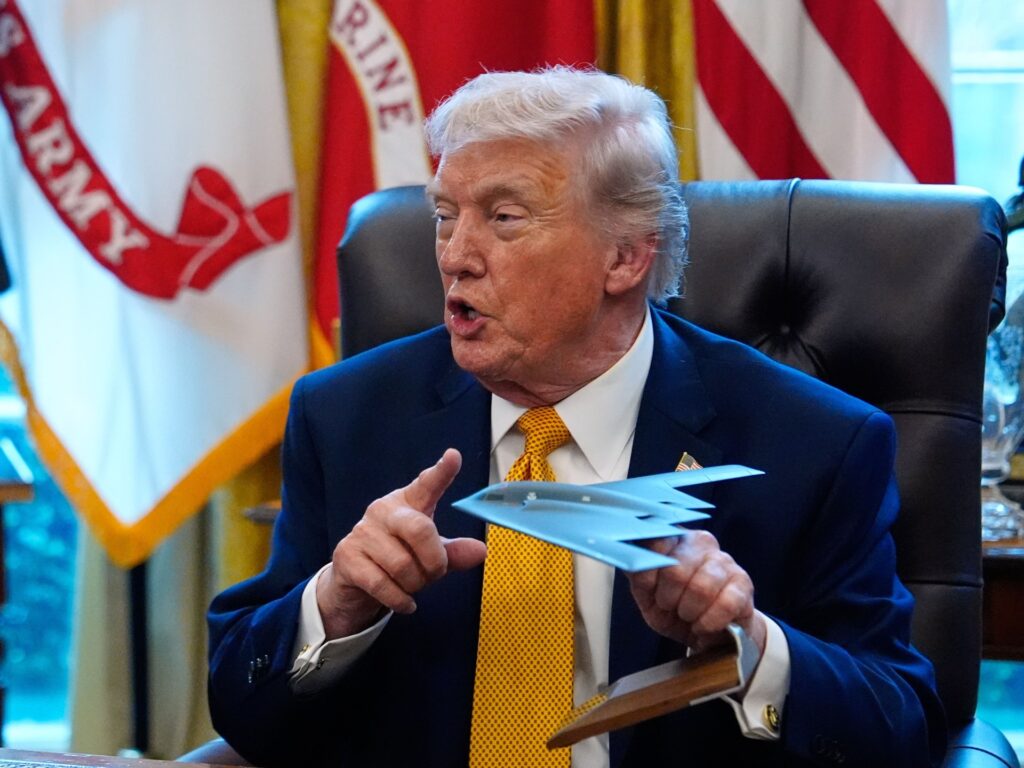
Former U.S. President Donald Trump stated that the military strikes he ordered against Iran were crucial in preventing a nuclear war. According to Trump, these actions thwarted what could have escalated into World War III, emphasizing the severity of the threat posed by Iran’s nuclear ambitions. He highlighted that the decisive measures were necessary to curb potential nuclear conflict and maintain global security. Trump’s remarks underscore his administration’s hardline stance on Iran, framing the strikes as a preventative step rather than an act of aggression. This assertion has sparked debate among political analysts and international experts regarding the implications and effectiveness of such preemptive military actions. Critics question the potential for escalation and the long-term impact on regional stability. Supporters argue that strong, proactive responses are essential to deter nuclear proliferation and hostile actions. The claim reignites discussions on U.S. foreign policy, particularly concerning the Middle East and nuclear non-proliferation efforts. As tensions with Iran continue to be a focal point in international relations, Trump’s statement adds a controversial perspective on the justification and consequences of military interventions aimed at nuclear deterrence.