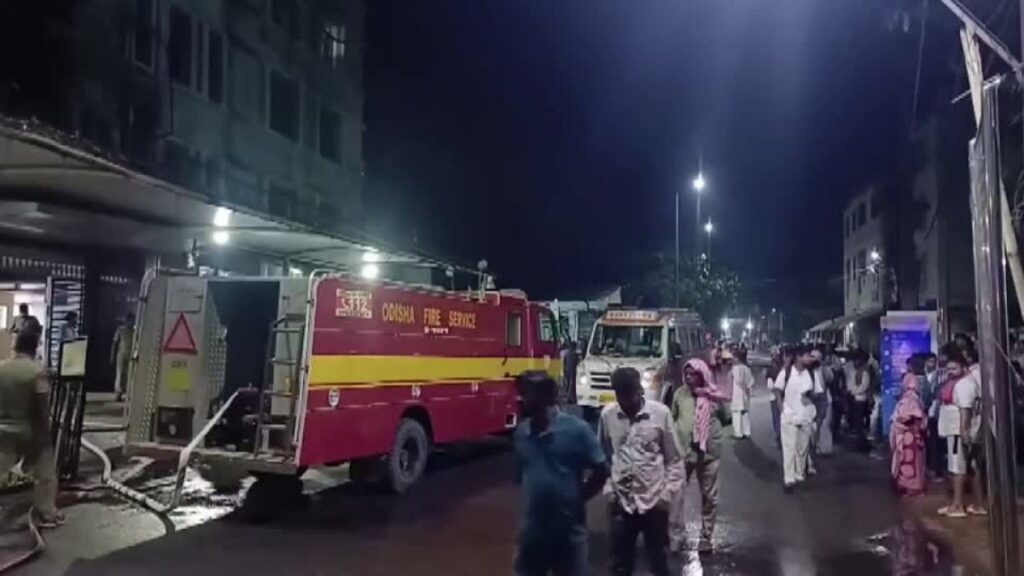
A devastating fire broke out in the intensive care unit (ICU) of a hospital in Cuttack, India, resulting in the tragic deaths of 10 people. Preliminary investigations suggest that the fire was caused by a short circuit, a common hazard in many parts of India due to poorly maintained electrical wiring. The incident has once again highlighted the urgent need for improved electrical safety standards and maintenance in healthcare facilities across the country.
The blaze occurred late at night, rapidly engulfing the ICU where some of the most vulnerable patients are treated. Hospital staff, along with emergency responders, acted swiftly to evacuate survivors and control the fire, but the dense smoke and fire intensity made rescue efforts challenging.
India has a history of hospital fires linked to electrical faults, underscoring ongoing challenges in infrastructure and safety protocols. Short circuits often arise from outdated, overloaded, or improperly maintained electrical systems, which remain a critical issue in many public and private institutions.
Authorities have launched an official inquiry to determine the precise cause of the fire and to ensure accountability. The hospital management is cooperating fully with investigators and has vowed to review and upgrade its safety measures to prevent future tragedies.
The local community has mourned the loss of the patients, many of whom were receiving treatment for serious conditions. Families and advocates are calling for systemic reforms to protect patients and healthcare workers from such preventable disasters.
This fire in Cuttack is a stark reminder of the importance of stringent safety regulations, regular inspections, and investment in infrastructure to safeguard lives in medical facilities. As India continues to develop, addressing these fundamental issues remains a priority for policymakers and healthcare administrators alike.
The government and healthcare authorities are urged to take concrete steps, including implementing modern electrical standards, conducting routine safety drills, and enhancing emergency response capabilities within hospitals across the nation.
In the aftermath of this tragedy, there is a renewed call for increased public awareness about electrical safety and better community engagement in monitoring and reporting hazardous conditions.
The incident also spotlights the broader challenges India faces with urban infrastructure and the urgent need for modernization to ensure public safety. It is hoped that this devastating event will catalyze meaningful changes and prevent similar occurrences in the future.
As investigations proceed, support and counseling services are being made available to affected families, and hospitals nationwide are being reminded of their legal and moral responsibilities towards patient safety.
The loss of life in this hospital fire is deeply mourned across the country, and a collective effort is needed to honor those lost by improving safety standards and preventing such tragedies going forward.