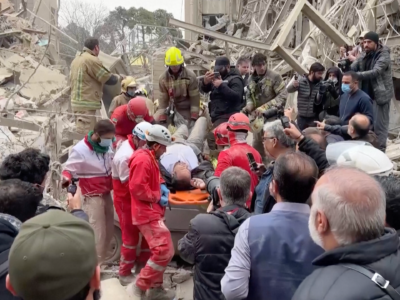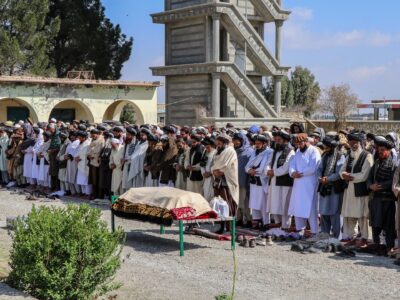
The ongoing conflict in Iran has sent shockwaves through the global economy, with significant repercussions felt across multiple sectors. One of the most immediate and conspicuous effects has been the spike in oil and gas prices, commodities crucial to the functioning of the world economy. As Iran is a key player in the global oil market, the war has disrupted supply chains and fueled uncertainty among investors and nations reliant on energy imports.
The price hikes in oil and gas have had a domino effect. For countries dependent on energy imports, increased fuel costs translate into higher transportation and manufacturing expenses, which in turn raise the prices of goods and services. This inflationary pressure dampens consumer spending and slows economic growth. Emerging markets, often already vulnerable due to weaker economic structures, have been particularly hard hit, facing worsening inflation and balance of payment dilemmas.
Energy-producing countries have experienced mixed outcomes. While some have benefited from higher export revenues, the overall volatility has prompted cautious investment and strategic reserves build-up. For consumers worldwide, the soaring prices at the pump have strained household budgets, often reducing discretionary spending and impacting sectors like retail and hospitality.
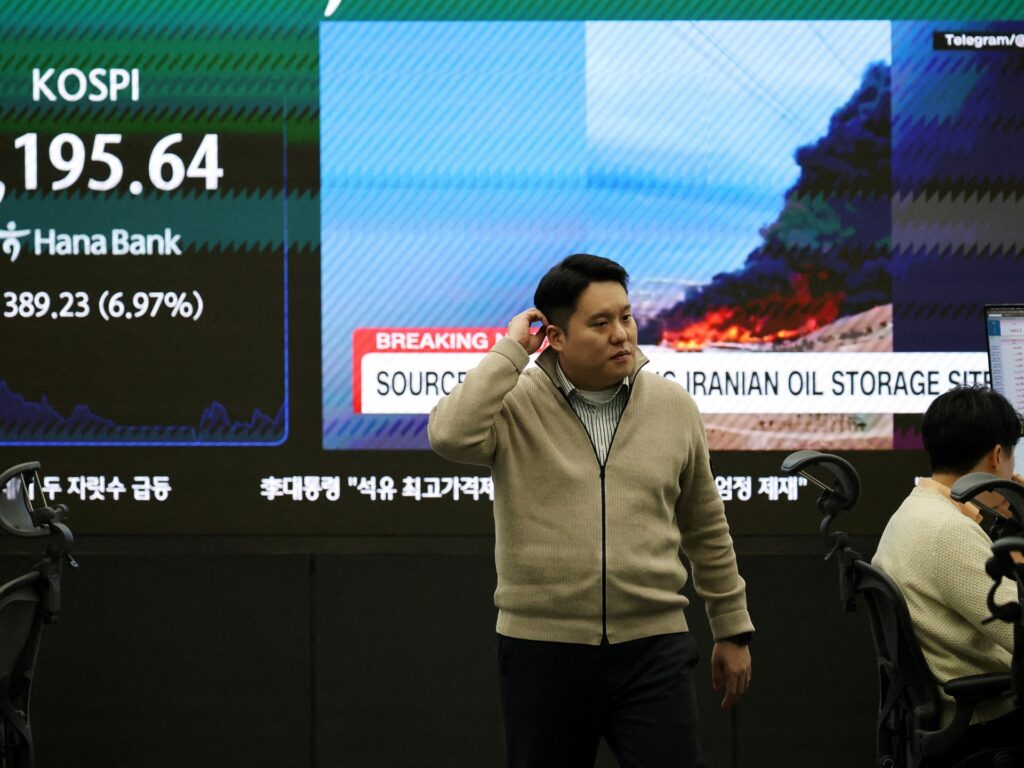
Beyond energy, the war has injected volatility into global stock markets. The unpredictability surrounding the conflict encourages risk aversion among investors, pushing capital towards safe-haven assets like gold and government bonds. This shift affects capital availability and borrowing costs for businesses globally, potentially slowing down expansion and innovation.
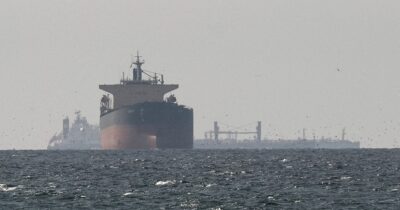
Supply chains, already stressed from previous global disruptions, face additional challenges. The Middle East being a critical transit route for goods, any conflict-caused instability exacerbates delays and increases shipping costs. This impacts everything from electronics to food supplies, threatening global food security and technological supply chains.
In summary, the Iran war has not only elevated oil and gas prices but also cast a long economic shadow, aggravating inflation, destabilizing markets, and straining supply chain networks. The situation underscores the interconnectedness of geopolitical stability and economic health, emphasizing that conflicts in resource-rich regions can have wide-ranging and enduring effects on the global economic landscape.