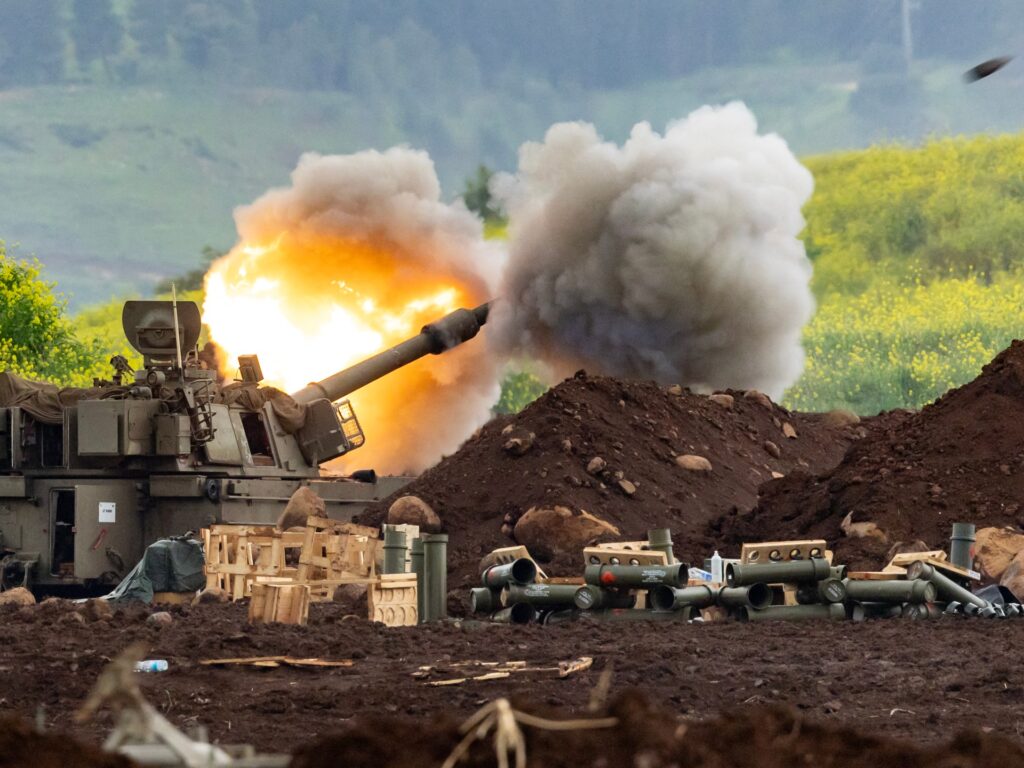
In a significant escalation of military activity, the Israeli military has launched ground operations in southern Lebanon. The Israeli army announced that its forces are currently targeting key locations in this region with the strategic aim of expanding forward defence zones. This military move marks an intensification of the ongoing conflict dynamics between Israel and militant groups operating in southern Lebanon.
The announcement from the Israeli army highlights their objective to strengthen their defensive posture along the northern border. By moving into southern Lebanon, Israeli forces seek to disrupt and diminish threats emanating from militant groups, which have long been a source of concern for Israeli security officials.
Ground operations typically involve a range of tactical measures, including incursions by infantry units, the use of armored vehicles, and coordinated air support. The details of the current operations have not been fully disclosed, but statements suggest a focus on key strategic points that are believed to be used by hostile elements.
The expansion of forward defence zones is a defensive strategy aimed at creating buffer areas that reduce the risks of direct attacks on Israeli territory. By controlling more territory in southern Lebanon, the Israeli military hopes to prevent rocket attacks and other forms of cross-border aggression.
This development may further complicate the security situation in the region, potentially leading to a broader confrontation. The Lebanese government and various international actors have typically urged restraint to avoid escalation, but the ground operations indicate a firm stance by Israel to counter threats.
The residents of southern Lebanon may face significant impacts from these military operations, including displacement, damage to infrastructure, and disruptions to daily life. Humanitarian organizations often express concern during such conflicts about the protection of civilians and the provision of aid.
As the situation unfolds, both regional and global stakeholders are closely monitoring the developments. The dynamics of Israeli-Lebanese relations remain fragile, and any escalation could have far-reaching implications for Middle East stability.
This ground offensive reflects broader trends in the ongoing Israeli security policy, which prioritizes preemptive actions to safeguard national security against perceived threats. The conflict underscores the complex and often volatile nature of the geopolitical landscape in this part of the world.
Further updates from official military sources and independent observers will be critical to understanding the full scope and impact of the Israeli military’s operations in southern Lebanon. The international community continues to call for de-escalation and dialogue amidst rising tensions.