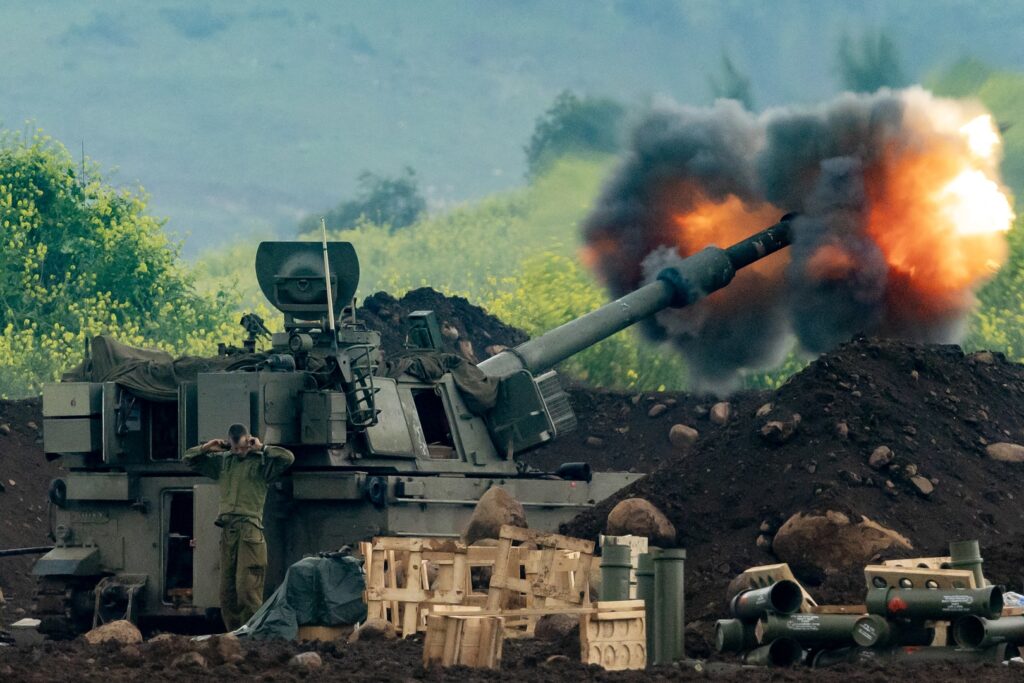
An Israeli self-propelled howitzer artillery gun fires rounds towards southern Lebanon from a position in the upper Galilee in northern Israel near the border on March 15, 2026. Israel said on March 15, 2026, that no direct talks were planned with Lebanon to end the war, a day after a Lebanese official said Beirut was preparing a delegation to negotiate with Israel. (Photo by Odd ANDERSEN / AFP) /
Israeli forces have initiated a series of targeted attacks on multiple towns in southern Lebanon, marking the start of a newly announced ground operation. The Israeli military declared that these actions are part of “limited and targeted ground operations,” emphasizing that their efforts are focused and strategic rather than broad-scale invasions.
The situation escalated following a period of tensions along the Israel-Lebanon border, which has seen repeated skirmishes and exchanges of fire in recent months. Israeli officials stated that the operations aim to neutralize specific threats emanating from militant groups operating in southern Lebanon, particularly those that have targeted Israeli territories through rocket fire and other hostile activities.
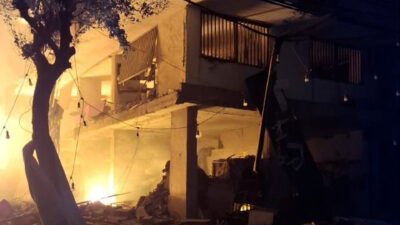
Reports from the area indicate that Israeli ground forces have entered several towns under suspicion of harboring militants or serving as operational bases for attacks against Israel. Precision strikes and ground maneuvers have been carried out to disrupt these threats, although Israel has insisted on minimizing civilian casualties and collateral damage.
The Lebanese government has condemned the Israeli operations, calling for international intervention to prevent further escalation of violence in the region. Lebanese officials have stated that Israeli incursions violate Lebanon’s sovereignty and exacerbate instability in an already volatile region.
International reactions are varied, with some countries expressing concern over the potential for wider conflict while urging restraint and immediate de-escalation on both sides. The United Nations has called for dialogue and peaceful resolution to the tensions, highlighting the fragile nature of peace along the Israel-Lebanon border.
Historically, the Israel-Lebanon border has been a flashpoint for repeated conflicts, most notably during the 2006 Lebanon War. The presence of Hezbollah, a powerful militant group based in southern Lebanon, has often been cited by Israel as a primary security threat, leading to frequent military actions in the region.
The current limited ground operations signify a tactical shift by Israeli forces, focusing on specific targets rather than extensive military campaigns. This approach is designed to swiftly address immediate threats while attempting to avoid broad-scale confrontations.
Residents in southern Lebanon have expressed fear and uncertainty as military activities escalate. Humanitarian groups have voiced concerns over the safety of civilians caught in the crossfire and the potential for a widening crisis.
As the situation continues to develop, international diplomatic efforts are expected to intensify in hopes of containing the conflict and preventing further loss of life. The coming days will be critical in determining whether these limited operations can achieve their objectives without triggering a larger regional confrontation.