On the 17th day of heightened military actions involving the United States and Israel targeting Iran, the situation in the Middle East remains tense with significant developments both on the battlefield and in diplomatic spheres. The sustained attacks have led to widespread concern over regional stability and the escalating humanitarian and economic impacts.
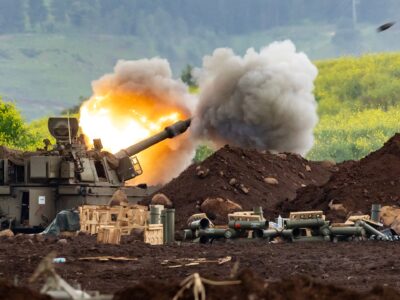
The coordinated US-Israel strikes, which began over two weeks ago, focus primarily on strategic targets within Iran, aiming to curtail Iran’s military capabilities and its influence in the region. These attacks have involved air raids and missile strikes on key installations, including military bases and infrastructure believed to support Iran’s missile programs and proxy groups.
In response, Iran has mobilized its forces and conveyed strong warnings of retaliation, signaling the potential for a broader conflict. The Iranian government describes the attacks as acts of aggression that threaten the sovereignty of the nation and the security of the larger Middle East region.
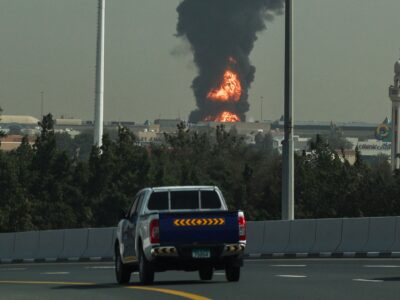
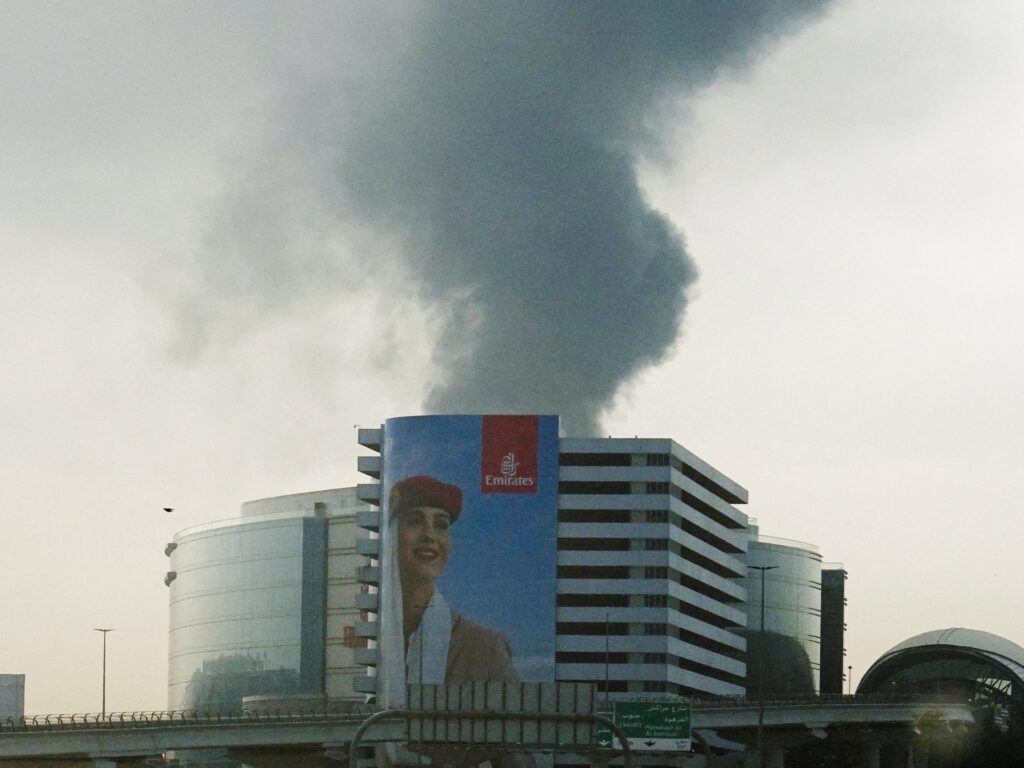
One of the notable regional impacts was seen in Dubai, where a fire erupted near the airport, leading to the temporary suspension of flights. Although authorities quickly contained the fire, the incident heightened fears of spillover damage from the conflict and disruptions to one of the busiest travel hubs in the region. The circumstances surrounding the fire have not been fully disclosed, but the close timing with ongoing military actions has led to speculation about possible indirect effects of the conflict.
On the diplomatic front, former US President Donald Trump made a surprising statement claiming that Iran is interested in negotiating an end to hostilities. His remarks suggest that, despite the severe confrontational tone on the ground, there may be openings for dialogue and attempts to de-escalate tensions. However, officials in the current US administration and other key international actors have offered cautious responses, emphasizing the complexity of the situation and the need for a strategic approach to peace talks.
The conflict’s evolution has drawn extensive international attention, with global powers urging restraint and calling for immediate cessation of hostilities to prevent wider regional destabilization. The United Nations and various European nations have issued statements stressing the importance of diplomatic solutions and humanitarian considerations amidst the violence.
Meanwhile, markets in the region and worldwide have displayed volatility due to concerns over supply chain disruptions, particularly in energy markets, given Iran’s significant role as a major oil producer. The fear of prolonged conflict has pushed oil prices higher, impacting economies dependent on energy imports and exports alike.
Humanitarian organizations warn about the increasing plight of civilians caught in the crossfire and the challenges of delivering aid to affected areas. Displacement and casualties are rising, and there is an urgent need for relief efforts to be scaled up despite security constraints.
As day 17 of US-Israel attacks on Iran unfolds, the international community remains watchful, hoping for de-escalation and a return to dialogue while preparing for the possibility of further escalations. The situation remains fluid, with the potential to reshape regional dynamics and impact global peace and security.
In summary, key points on day 17 include:
– Continued US-Israel military operations targeting Iranian infrastructure.
– Retaliatory threats from Iran raising fears of broader conflict.
– A fire near Dubai airport causing temporary flight halts, illustrating regional spillover risks.
– Claims by Donald Trump about Iran’s willingness to negotiate, highlighting diplomatic complexities.
– International calls for peace and caution amid escalating violence.
– Economic disruptions affecting global energy markets.
– Increasing humanitarian concerns and the urgent need for aid.
The next days are critical as all parties weigh their options between continued conflict and potential negotiation paths toward easing the crisis.