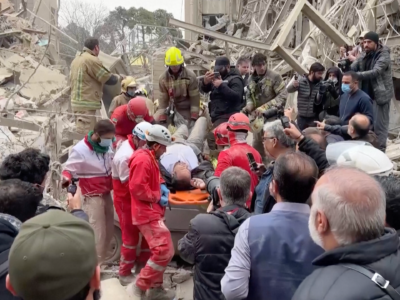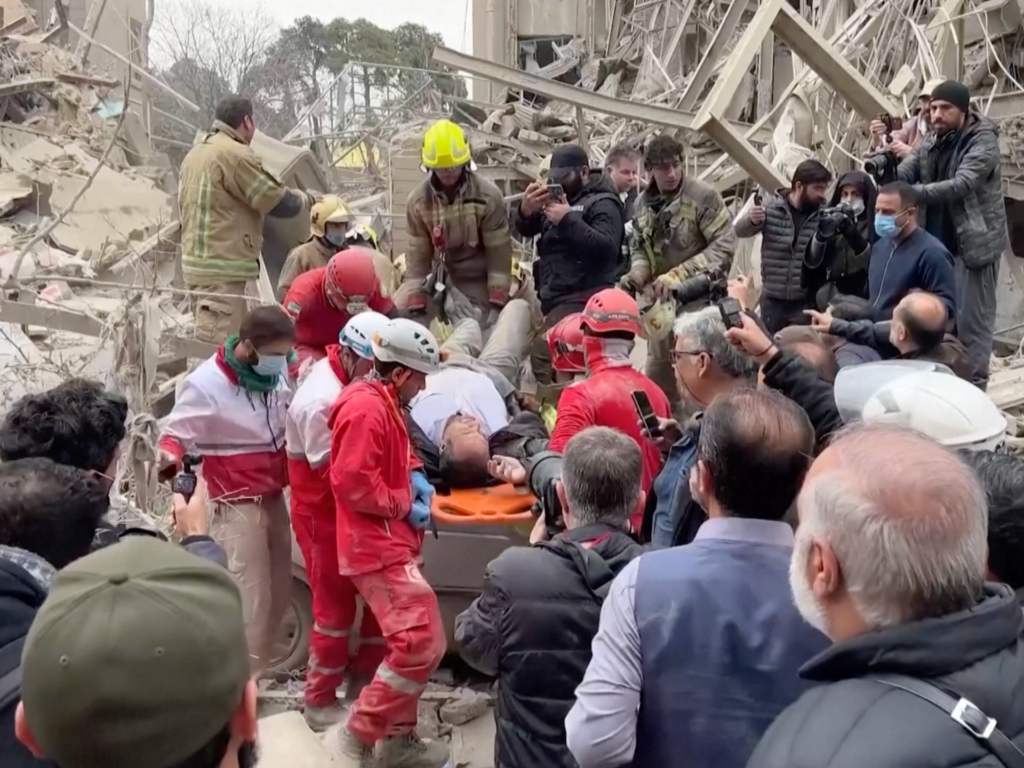
In a recent escalation of regional tensions, a new wave of US-Israeli airstrikes has targeted Tehran, the capital of Iran. These strikes have caused significant destruction, leading to widespread damage in the city and resulting in civilian casualties. Rescue teams have been working tirelessly amid the chaos, pulling civilians from the rubble and searching for survivors.
The strikes represent a serious escalation in the conflict between Israel, the United States, and Iran, raising fears of further instability in the Middle East. The rationale behind these coordinated attacks reportedly centers on countering Iranian influence and military capabilities, though detailed official communications remain limited at this early stage.
Local emergency response units have been overwhelmed as they juggle the urgent need to provide medical care, evacuate trapped individuals, and restore order in affected neighborhoods. Hospitals in Tehran are reportedly operating beyond capacity, treating hundreds of injured civilians.
Humanitarian organizations have called for immediate ceasefire and have urged all parties involved to prioritize the safety and protection of non-combatants. The international community is closely monitoring the situation, with some countries condemning the strikes and calling for dialogue and restraint.
The ongoing military actions have heightened fears of a broader conflict that could destabilize the region further. Civilians caught in the crossfire face great peril, with many homes and infrastructures reduced to rubble, complicating rescue efforts.
As the dust settles on the latest round of airstrikes, rescuers continue their search and recovery operations, working against time to prevent further loss of life. The resilience displayed by the emergency crews amid challenging conditions highlights the human cost that accompanies such conflicts.
This latest development marks a sobering reminder of the fragility of peace in the Middle East and underscores the urgent need for diplomatic solutions to prevent further tragedies and regional escalation.