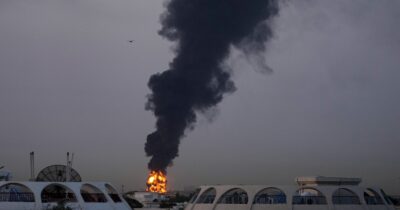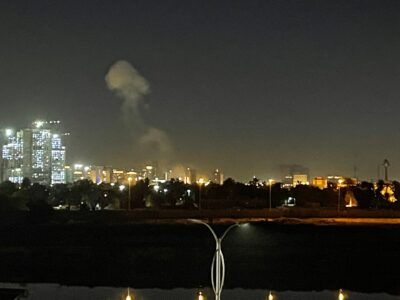
A serious and distressing incident has emerged from Kabul, Afghanistan, where Afghanistan’s authorities have accused Pakistan of launching an attack on a hospital that resulted in the death of approximately 400 people. This accusation has escalated tensions significantly between the two neighboring countries, which have a complex and often strained relationship.
According to Afghan officials, the hospital in Kabul was deliberately targeted, leading to massive casualties not only among patients but also including medical staff and visitors. The attack on such a critical healthcare facility has been widely condemned as a blatant violation of humanitarian laws, which expressly forbid targeting medical facilities under any circumstances.
The Afghan government voiced strong outrage and called for international intervention and condemnation of what they described as an unforgivable act of aggression. They stated that this attack reflects a continued pattern of violence and disruption instigated from across the border, impacting the civilian population deeply.
However, Pakistan has categorically denied the accusations. Officials from Pakistan’s government declared that their recent military strikes did not hit any civilian sites, let alone a hospital. They insisted that their military operations were targeted against insurgent groups and did not involve civilian infrastructure.
Pakistan’s dismissal of the claims comes amid a broader narrative from Islamabad that it is committed to targeting militants and has taken extensive measures to avoid civilian casualties. The Pakistani authorities also urged a thorough investigation and suggested that the facts should be carefully considered before assigning blame.
The situation has drawn international concern, with global powers and international organizations calling for restraint and urging both nations to investigate the incident transparently. The United Nations and humanitarian groups have expressed alarm over the devastating impact on civilians and emphasized the importance of protecting medical facilities during conflicts.
This tragic event has further strained the already fragile relationship between Afghanistan and Pakistan. Both countries share a porous border and have longstanding disputes over various issues including security, political influence, and refugee movements.
Experts warn that the accusations and denials risk escalating into wider conflict unless diplomatic channels are effectively utilized. The international community is pushing for dialogue and peaceful resolution to prevent further loss of life and to restore stability to the region.
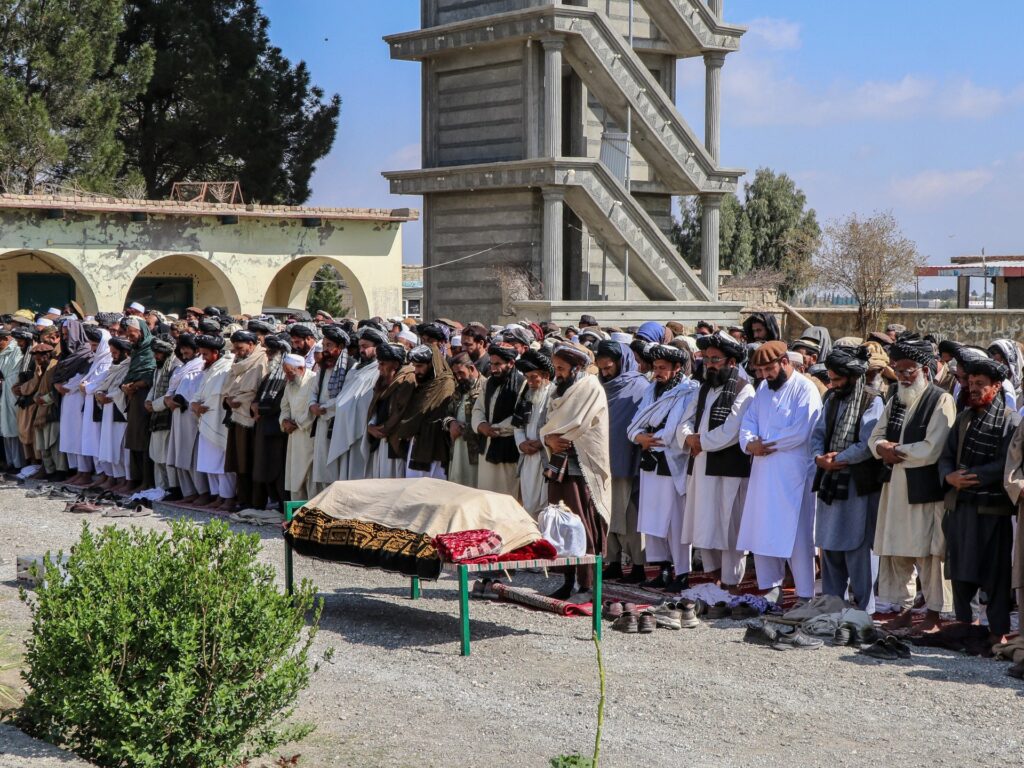
Meanwhile, families affected by the attack are mourning their loved ones, and the medical community in Kabul is grappling with the loss and the challenge of continuing to provide care under such difficult circumstances.
This incident serves as a somber reminder of the human cost of geopolitical conflicts and the urgent need for mechanisms that protect civilians and maintain peace in volatile regions such as South Asia.