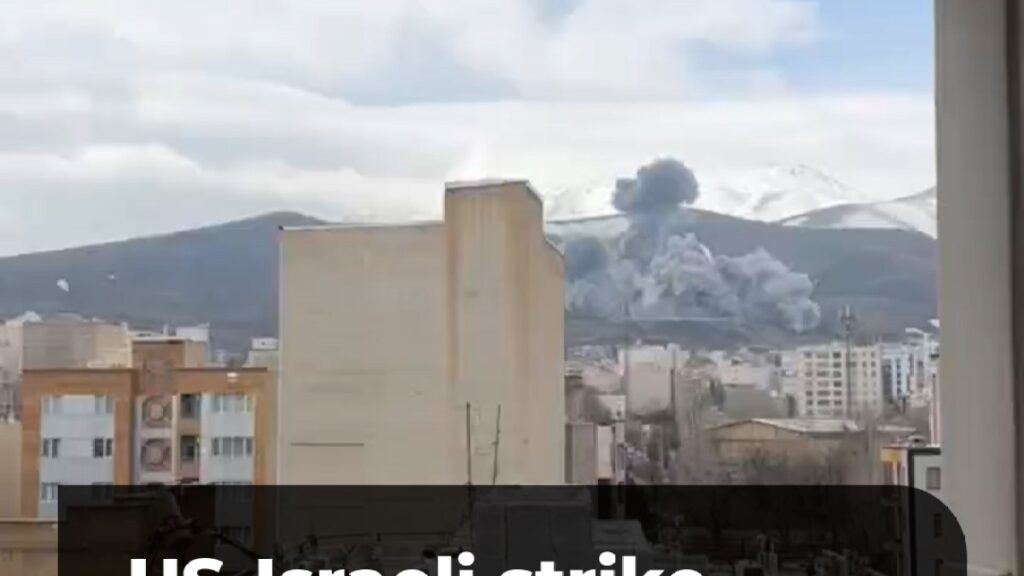
A recent US-Israeli military strike has targeted the city of Hamadan in Iran, resulting in massive plumes of smoke visible in footage circulating worldwide. This coordinated attack highlights escalating tensions between the involved nations amid ongoing geopolitical rivalries in the Middle East.
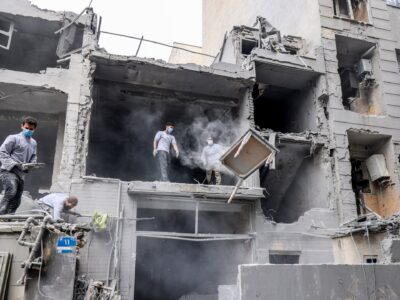
The strike, reportedly executed with precision, has caused significant damage within the city boundaries, though details on casualties and the extent of destruction remain sparse.
Hamadan, a historic city located in western Iran, is not traditionally known as a conflict hotspot, making this attack particularly alarming for regional stability and international diplomatic relations.
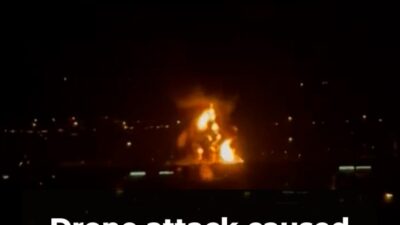
Witnesses captured images and videos showing thick clouds of smoke ascending from the targeted areas, illustrating the intensity and scale of the strike.
The US and Israeli governments have yet to release an official statement explaining the rationale behind this military action. Analysts suggest the strike could be part of broader efforts to counter perceived threats from Iran’s regional activities and nuclear program.
The attack follows recent months of increased military operations and sanctions directed at Iran by various international alliances seeking to curtail its influence.
Residents in nearby regions have expressed fear and concern for their safety, with many evacuating or seeking shelter from potential retaliatory measures.
International organizations and foreign governments have called for restraint and de-escalation to prevent further conflict escalation in the region.
This incident marks a significant development in the complex dynamics of Middle Eastern security, raising urgent questions about the future course of diplomacy and conflict in the area.
As new information emerges, global attention remains focused on Hamadan and the broader implications of the strike on regional and international peace efforts.