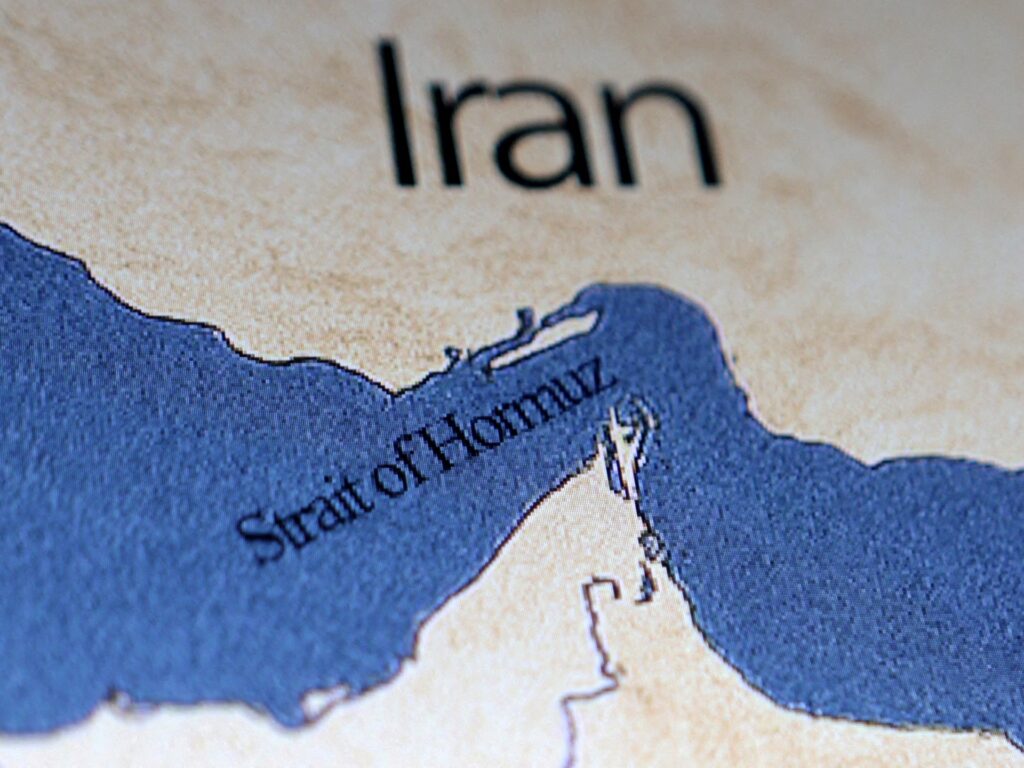
In a recent statement, former US President Donald Trump has called for the formation of a naval coalition to ensure the Strait of Hormuz remains open and secure. This strategic waterway, located between Oman and Iran, is one of the world’s most critical chokepoints for global oil shipments, with roughly 20% of the world’s petroleum passing through it daily.
Trump’s proposal aims at countering threats to freedom of navigation in the region, especially amid heightened tensions with Iran. The suggestion involves a multinational naval force, including the US and its allies, tasked with patrolling the strait to deter Iranian interference and secure safe passage of commercial vessels.
Experts and analysts, however, have expressed skepticism about the practicality of Trump’s plan. Establishing and sustaining an effective coalition in such a volatile region poses several challenges. First, securing agreement among varied regional and global powers for joint patrols would be diplomatically complex. Many countries may hesitate to openly confront Iran due to geopolitical risks and existing alliances.
Moreover, the operational logistics of maintaining a continuous naval presence in the strategically important but heavily contested waters would require significant resources and coordination. The commitment from coalition members would have to be long-term to ensure sustained security, posing a challenge to political will and budget constraints.
Another concern is the potential for escalation. Iranian forces have previously engaged in aggressive maneuvers against US and allied vessels in the Strait of Hormuz, and a new multinational naval presence might provoke Tehran. This could increase the risk of military incidents, potentially sparking broader conflict in the Persian Gulf region.
Critics also point out that Trump’s approach focuses primarily on military solutions without addressing the underlying political tensions that contribute to instability in the region. Without diplomatic engagement and conflict resolution strategies, a naval coalition could act only as a temporary stopgap.
Despite these criticisms, supporters argue that the international community cannot afford to ignore threats to this vital global trade route. The fears of supply disruptions and rising oil prices underscore the necessity for decisive action to safeguard maritime security.
The idea of a coalition to keep the Strait of Hormuz open is not entirely unprecedented. The US and its allies have in the past conducted naval operations to protect shipping lanes in the Gulf. However, the geopolitical context today is further complicated by shifting alliances, Iran’s more assertive military posture, and global power realignments.
In conclusion, while Trump’s call for a naval coalition highlights a significant concern about the security of the Strait of Hormuz, experts caution that its implementation would be fraught with diplomatic, operational, and strategic challenges. Ensuring safe passage through this narrow and critical waterway will likely require a combination of military readiness, diplomatic efforts, and regional cooperation to achieve long-term stability.