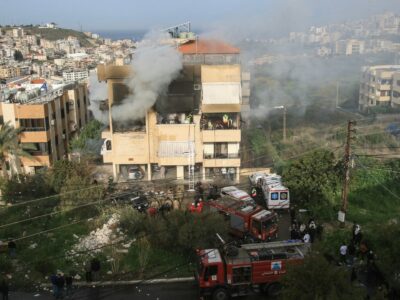
The Middle East remains on high alert amid escalating tensions linked to Iran. US President Donald Trump has publicly stated that the United States is not yet ready to engage in talks with Iran regarding the ongoing conflict, emphasizing a hardline stance against premature negotiations. This comes as sirens blare across Israel, signaling potential threats or attacks, demonstrating the volatile security situation in the region.
Trump also highlighted the strategic importance of the Strait of Hormuz, a critical maritime passage through which a significant portion of the world’s oil supply is transported. He urged allies that depend on Gulf oil to actively participate in efforts to keep the Strait open and secure, underscoring the collective responsibility for maintaining stability in global energy markets.
The Strait of Hormuz has long been a flashpoint due to its strategic importance. Any disruption there could dramatically affect global oil prices and supply chains. The US administration’s call for allied support reflects concerns about Iran’s increasing assertiveness and the potential for regional conflicts to escalate.
In Israel, the sounding of sirens heightens fears of imminent attacks or missile threats, a reminder of the persistent security challenges facing the nation amid the wider conflict centered around Iran. The preparedness of Israel’s defense systems has once again come under scrutiny as the country braces for potential new confrontations.
The ongoing situation has international stakeholders worried about a broader confrontation in the Middle East. Diplomatic efforts remain complicated, with the US not yet ready to engage directly with Iranian officials. Meanwhile, global markets watch nervously as the potential for instability threatens energy supplies and economic stability worldwide.
Analysts suggest that the coming weeks will be critical in determining whether tensions will escalate into wider warfare or if diplomatic channels can be reopened successfully. The situation remains fluid, with developments being closely monitored by governments around the world.
This conflict highlights the delicate balance of power in the Middle East and the significant impact regional disputes can have on global security and economics. The international community continues to call for restraint and dialogue to prevent the situation from deteriorating further.
In summary, President Trump’s refusal to enter talks without preconditions, the unrest in Israel signaled by sirens, and the urgent call for allied cooperation to secure the Strait of Hormuz collectively outline the current precarious state in the Middle East. The world watches closely for any signs of change in this dynamic and potentially explosive situation.