In a recent and highly charged statement, Iran has accused the United States and Israel of deploying copycat drones, reportedly modeled after Iranian technology named ‘Lucas,’ in efforts to implicate Tehran in a series of regional attacks. This claim underscores the escalating tensions and complex geopolitical maneuvering in the Middle East, where drone warfare and surveillance have become central elements of modern conflict.
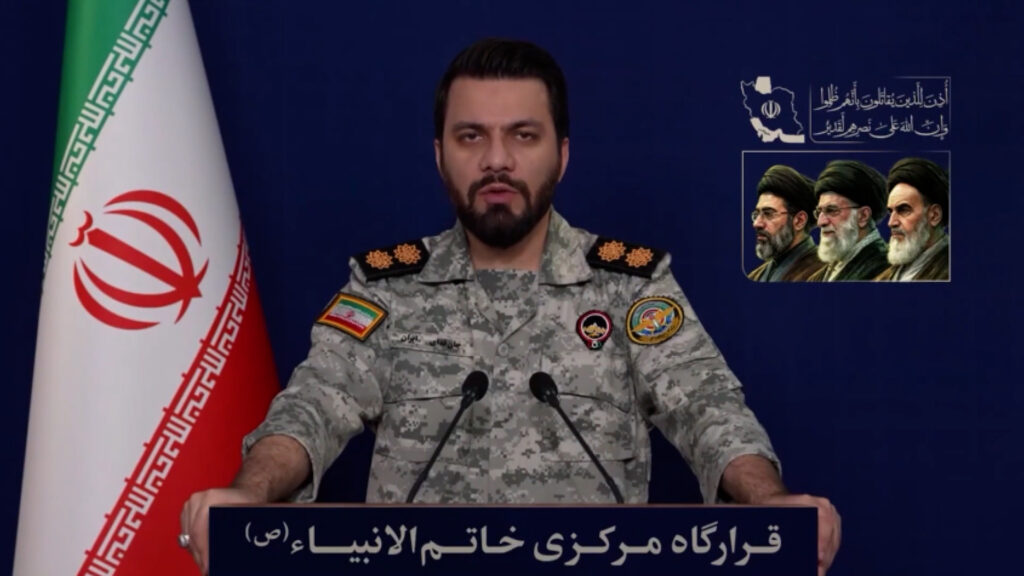
According to Iranian officials, these so-called ‘Lucas’ drones bear striking resemblance to drones previously developed or utilized by Iran, suggesting a deliberate imitation by foreign intelligence and military agencies. Iran’s accusations point to a strategy by the US and Israel to create false flag operations designed to shift blame for various attacks to Iran, thereby facilitating political and military justification for potential retaliation or sanctions.
The origins of the ‘Lucas’ drone are said to be Iranian, representing a significant advancement in the country’s unmanned aerial vehicle (UAV) capabilities. These drones have reportedly been used for reconnaissance and targeted strikes within the region, contributing to Iran’s strategic defense and offensive measures. However, the allegation that adversaries have reverse-engineered or copied this technology to conduct attacks and falsely implicate Iran is a serious charge that, if substantiated, could have significant implications for regional security dynamics.
The Iranian government has condemned what it calls ‘deceptive tactics’ and declared that such actions are attempts to escalate conflict and justify increased aggression against its interests. Tehran has called on the international community to investigate these claims thoroughly to prevent further destabilization.
This accusation comes amid a backdrop of heightened hostilities and repeated incidents involving drone strikes and other forms of asymmetric warfare in the Middle East. Both the US and Israel have previously expressed concerns over Iranian drone activity, citing the threat posed to their security and that of their allies. Conversely, Iran has accused these two nations of sponsoring proxy groups and conducting covert operations to undermine its sovereignty.
Experts suggest that the use of copycat drones in this manner represents a modern evolution of misinformation and covert conflict tactics. By mimicking enemy technology, states can sow confusion, create plausible deniability, and manipulate international opinion.
The implications of these claims are profound, as they could lead to increased mistrust among regional actors and complicate ongoing efforts to stabilize the Middle East. The use of drones in warfare continues to evolve, and the potential for such equipment to be hijacked for disinformation campaigns marks a significant challenge for global security.
International watchdogs and defense analysts will likely be watching closely to verify the authenticity of the drones involved in recent attacks and assess the broader consequences for regional peace. Meanwhile, diplomatic channels remain open as all parties involved seek to navigate the murky waters of accusation and counter-accusation.
In conclusion, Iran’s statement accusing the US and Israel of using copycat ‘Lucas’ drones to frame it for regional attacks highlights the complexities of modern conflicts where technology, intelligence, and propaganda intersect. As the Middle East continues to grapple with these challenges, the international community faces a pivotal moment to address the growing impact of unmanned warfare and the dangers of misinformation.